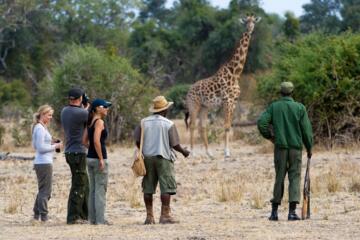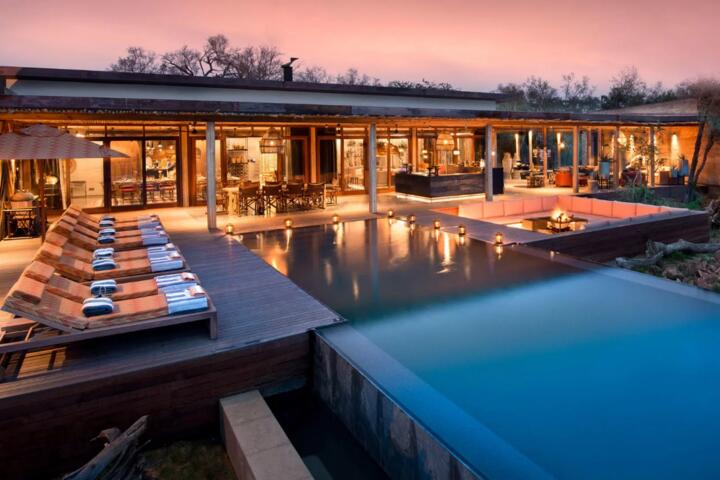
Private Safari Estate
The concept of the "exclusive-use" safari has shifted from simply booking a private vehicle to securing an entire ecosystem. In 2026, the demand for standalone villas within private concessions has surged by 45% among C-suite executives and public figures. These properties are not merely hotel suites; they are self-contained ecosystems with dedicated runways, private chef teams, and autonomous security perimeters.
Consider the logistical footprint of a Tier-1 safari villa like Singita Serengeti House or AIE Cheetah Plains. You aren't just paying for a view; you are paying for a 1:4 staff-to-guest ratio and a guide who remains with your family for the duration of the stay. Real-world data indicates that families opting for private villas spend 30% more time on wildlife sightings because the schedule is dictated by their personal interests rather than a lodge's fixed meal times.
One notable trend is the "Education Safari," where families bring private tutors or conservation scientists. For instance, at Tswalu’s Tarkuni in the Kalahari, high-profile guests often engage in rhino ear-notching or pangolin tracking with research teams, turning a vacation into a legacy-building exercise for the younger generation.
Security Control
For high-profile families, the biggest draw of a private villa is the ability to vet every person who enters the residence. Unlike a main lodge where you share dining areas with 20 other guests, a villa allows for a "clean" environment. This is critical for those traveling with private security details (PSDs) who need to manage entry points and communication arrays without interference from other tourists.
Culinary & Health
Private villas offer a level of dietary precision that even a 5-star lodge cannot match. If a family member has severe allergies or follows a hyper-specific longevity diet (such as the Blueprint or Mediterranean-Keto), a private chef sourced from a Michelin background can execute this. Services like Sasaab's Private House in Kenya allow for pre-arrival grocery sourcing of specific international brands, ensuring no disruption to a family’s wellness routine.
Silent Infrastructure
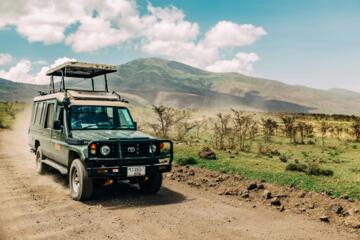
The rise of electric safari vehicles (ESVs) is a game-changer for high-profile clients. Brands like Roam and Rivian-integrated fleets allow families to approach wildlife in near-total silence. This isn't just about eco-consciousness; it’s about the quality of the experience. Being able to hear the breathing of a leopard without the rattle of a diesel engine provides the profound immersion that elite travelers demand.
Layout and Zoning
Modern villas like Cheetah Plains in the Sabi Sands are designed with "pods." This allows teenagers, parents, and grandparents to have separate living quarters while sharing a central hub. This architecture prevents the "friction of proximity" that often ruins family holidays, providing quiet zones for remote work or relaxation while the younger generation utilizes high-tech media rooms or heated infinity pools.
Aviation and Transfers
A private villa experience begins on the tarmac. For high-profile families, the vulnerability of commercial bush flights is a major pain point. Exclusive-use stays often include or facilitate private charters via operators like Federal Airlines or Scenic Air, landing directly on the villa's private strip to bypass crowded regional terminals and public baggage claims.
Planning Failures
The most common mistake is assuming that "expensive" equals "private." Many high-end lodges offer "Luxury Suites" that are still connected to a communal dining area or share a fence line with other guests. For a public figure, a single leaked photo by a fellow guest can compromise an entire trip's security and peace of mind.
Another failure point is the "Shared Guide" trap. Even in luxury settings, if you haven't booked an exclusive-use villa, you might be paired with other travelers in a vehicle. This limits the flexibility of the safari. If a high-profile family wants to stay with a lion pride for four hours, they cannot do so if other guests in the vehicle want to return for lunch.
Finally, there is the issue of technological connectivity. High-profile families often include members who must remain "on" for global markets or crisis management. Relying on "lodge Wi-Fi" is a recipe for disaster. Professional planners now insist on properties equipped with Starlink arrays to ensure 100+ Mbps speeds in the heart of the Okavango Delta.
Implementing the Model
To execute this correctly, the family office or travel designer must prioritize "Concession over Country." A private concession, such as Selinda Reserve in Botswana, allows for off-road driving and night drives—activities strictly prohibited in National Parks. This exclusivity ensures that when you find a rare animal, you are the only vehicle there.
The use of "Unmarked Security" is the gold standard for high-profile families. Rather than overt guards, premier villas provide staff trained in tactical awareness who blend into the hospitality team. This maintains the "vacation feel" while ensuring 24/7 protection. In regions like the Greater Kruger, villas like Royal Malewane’s Africa House have specialized anti-poaching units nearby that provide an additional layer of perimeter safety.
On the health front, the villa must have a medevac protocol. Top-tier providers like AMREF Flying Doctors are integrated into the booking. For a family at Singita Castleton, this means having a helicopter-evacuation-ready clearing within minutes, a level of detail that is non-negotiable for those with complex medical histories or high-value insurance policies.
Case Studies
Case Study 1: The Silicon Valley Sabbatical
A tech founder and family required a 14-day complete "blackout" in Botswana. The solution was Zarafa Dhow Suite. By securing the private villa, the family utilized a dedicated Starlink terminal for emergency-only comms and a private guide who was also a professional photographer. Result: Zero unauthorized social media mentions and 100% privacy maintained while the founder managed a $500M acquisition remotely.
Case Study 2: The Multi-National Family Reunion
A family spread across London, Dubai, and New York met at Lolkisale Camp’s private quarters in Tanzania. The challenge was the age range (6 to 82). The villa provided a private "Bush School" for the children and a dedicated nurse for the eldest member. Logistics included three separate private charters synchronized to land within 30 minutes of each other. The operation resulted in a seamless 10-day trip with zero medical or logistical delays.
Safari Checklist
| Feature | Standard Lodge | Villa Benefits & Impact |
|---|---|---|
| Dining | Set times; public | 24/7 bespoke; fits any timezone. Eliminates public exposure. |
| Guide | Shared vehicle | 100% dedicated. Allows for deep tracking and total flexibility. |
| Travel | Public strips | Private runways. Bypasses public scrutiny and baggage lines. |
| Safety | General security | Gated perimeters; PSD space. Total control over personal safety. |
| Comms | Lodge Wi-Fi | Starlink arrays. Essential for global business and monitoring. |
Travel Pitfalls
Avoid "over-scheduling." High-profile families often come from high-stress environments. The temptation to book every activity—hot air balloons, walking safaris, village visits—can lead to burnout. The most successful private villa stays incorporate "forced downtime" where the family can simply exist in a beautiful space without a schedule.
Do not underestimate the importance of the "Butler-Manager." In a villa like Morukuru Ocean House, the manager is the single point of contact. If this person isn't briefed on the family's specific nuances (e.g., preferred brands of sparkling water, lighting levels at night), the experience will feel like a standard hotel. Always demand a pre-arrival "Preference Manifesto" from the villa team.
FAQ
Can we bring our own security team to a private villa?
Yes, most premier villas like Singita or Great Plains Conservation properties have dedicated staff housing for security details. It is standard practice to provide room and board for PSDs, though they must coordinate with the local head of security regarding firearms regulations.
What is the best time for a private safari to ensure no crowds?
To avoid "safari traffic," choose the "shoulder season" (May or late October). However, the beauty of an exclusive-use villa in a private concession is that even during peak season, you won't see other vehicles. The Okavango Delta and the private concessions of the Serengeti offer the best year-round exclusivity.
Are private villas suitable for very young children?
Absolutely. Unlike many lodges that have age restrictions (often no children under 6 or 12), private villas generally have no age limit because your group is the only one there. They often feature "Junior Ranger" programs and fenced-in perimeters for safety.
How do we handle medical emergencies in remote locations?
Top-tier villas are equipped with trauma kits and AEDs. More importantly, they have standing contracts with flight-doctor services. For any guest with a specific condition, we recommend a villa within a 1-hour flight radius of a major medical hub like Nairobi or Johannesburg.
Can we customize the staff-to-guest ratio?
Yes. For high-profile events, we can increase the ratio to include specialized staff such as private nannies, massage therapists, or specialized fitness trainers. This should be requested at least 90 days in advance to secure the best itinerant talent.
Author’s Insight
In my fifteen years of coordinating logistics for sensitive travel, I’ve found that the best "luxury" is actually silence. A high-profile family doesn't need gold-plated faucets; they need to know that for 50 miles in every direction, no one knows who they are or where they are. My top recommendation is to focus on Botswana’s Linyanti or South Africa’s Tswalu—places where the sheer scale of the land acts as a natural fortress. Always vet your guide's NDAs as thoroughly as you vet the villa's wine cellar.
Summary
Securing a private villa safari is the only way for high-profile families to experience the raw beauty of Africa without compromising on security, dietary needs, or personal space. By prioritizing private concessions, dedicated aviation, and specialized staffing, you transform a standard holiday into a secure, restorative, and profoundly private legacy event. For the best results, start the planning process 12 to 18 months in advance to secure the most exclusive estates in the most coveted wilderness corridors.