Choosing A Safari Season
Safari “season” usually means a mix of weather patterns, wildlife behavior, and logistics. In many African destinations, rainfall changes grass height, river levels, and the visibility of animals, which then affects how often you see wildlife from roads or camps. Temperature also matters for comfort and for practical health planning, since heat and humidity increase dehydration risk and can worsen fatigue during long drives.
For example, in savanna ecosystems, a drier period often reduces vegetation density, which can improve sightlines for spotting animals. In greener periods, animals may spread out more, and tracks can be harder to read from a vehicle. River crossings and muddy roads can also shift by month, changing how reliably routes run. If you plan around a specific month, you can compare the typical conditions for that month rather than relying on broad “high season” labels that vary by country and even by park.
Health planning ties into timing. Insect activity often rises with warmer, wetter weather, which can increase exposure to biting insects. Heat waves can occur outside the traditional hot months, so it helps to check recent climate summaries for your exact travel dates and to plan for hydration, sun protection, and insect bite prevention.
Common Planning Mistakes
People often choose a safari season based only on wildlife “guarantees” or on crowd levels. Wildlife sightings depend on animal movement, water availability, and human activity patterns, so no month produces the same results every year. Even within the same park, rainfall can vary enough that the “typical” grass height or river level does not match your experience.
Another frequent mistake is ignoring logistics. Heavy rain can make some roads slow or temporarily impassable, which affects drive times and the number of areas you can reach. Some camps also adjust operations during wet periods, including changes to vehicle access, walking options, or the timing of game drives. If your itinerary includes specific viewpoints or regions, ask whether access changes in your travel window.
Supporting technologies and dependencies matter too. Many safari operators use satellite imagery, ranger reports, and local weather data to plan daily routes, but those inputs do not remove uncertainty. GPS navigation helps vehicles stay on permitted tracks, yet it cannot predict whether a track will be open after storms. Mobile connectivity can affect how quickly updates reach guests, and offline maps can be outdated if park access rules change.
Finally, travelers sometimes underestimate health risks tied to season. Heat and humidity can increase dehydration risk, while wet weather can increase exposure to biting insects. If you take medications that affect hydration or blood pressure, seasonal temperature swings can change how you feel during long drives and early mornings.
Advice For Season Selection
Match Weather To Your Priorities
Start by listing your top goal: dense wildlife viewing, fewer crowds, photography conditions, or comfortable driving temperatures. Then compare seasons using practical indicators like average rainfall, typical daytime temperatures, and the likelihood of muddy roads. For instance, a “short rains” period may bring intermittent showers that still allow drives, while a “long rains” period can produce more persistent wet conditions in some regions.
Ask operators for concrete details tied to your dates: average drive length, whether they use open-sided vehicles, and how they adjust routes after rain. If they cite “dry season” without month-level detail, request the expected conditions for your exact travel window. A small aside: some operators share a weather briefing the week before departure, and the wording often reveals whether they plan for rain variability or assume it will not affect routes.
Plan For Wildlife Visibility Changes
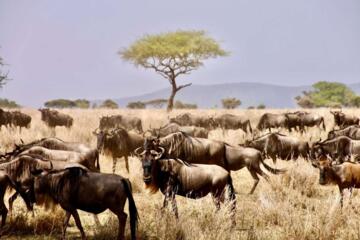
Wildlife visibility often shifts with vegetation and water. In drier periods, animals may concentrate around remaining water sources, and sightlines can improve when grass is shorter. In wetter periods, animals can spread out, and dense vegetation can reduce visibility from roads.
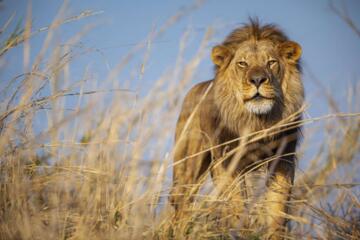
Instead of asking for “best wildlife,” ask how the operator plans for your season. Good questions include: which areas they prioritize in your month, how they track animals (ranger reports, spoor, waterhole monitoring), and how often they change locations during the day. If you care about predators, ask how they balance early morning and late afternoon drives, since activity patterns can change with heat and cloud cover.
Realistic outcome framing helps. You might see many animals in any season, but the mix can differ: one month may produce more frequent sightings of herbivores near water, while another may produce fewer sightings but more varied behavior. Your goal is to align expectations with the mechanism behind sightings, not to chase a single “perfect” month.
Use Health Risk Checks By Season
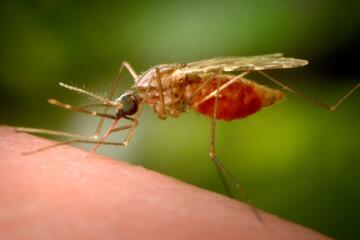
Season affects insect exposure and heat stress, so your planning should include both. For insect-borne illness risk, follow local public health guidance for the destination and season, and discuss prevention with a clinician familiar with travel medicine. In many regions, malaria risk varies by area and season, so the same country can have different recommendations depending on where you go and how long you stay.
For heat and dehydration, plan for water access during drives, shade breaks, and sun protection. If you take medications that influence hydration or blood pressure, ask your clinician how to adjust timing during hot days. A mild frustration many travelers face: packing “just in case” supplements without a plan for hydration and bite prevention, then realizing the real limiting factor is how long you can stay comfortable outdoors.
Also consider that wet weather can increase the risk of gastrointestinal upset through contaminated water or food handling. Stick to bottled or treated water, and be cautious with ice and raw foods if sanitation standards are unclear.
Compare Costs And Operational Tradeoffs
Prices often rise during peak travel months, but the tradeoff is not only crowds. Peak periods can also mean more vehicles at popular areas, which can affect your ability to get quiet viewing time. Off-peak periods can reduce costs, yet some routes or activities may run less frequently due to road conditions or lower staffing.
Ask for a written outline of what changes in different weather. Examples include whether the operator uses alternative routes, whether they shorten drives during storms, and how they handle cancellations for safety. If you see a “seasonal guarantee” in marketing materials, request the exact policy language for weather-related changes.
A practical tool: compare your travel dates against publicly available climate normals from national meteorological services or reputable climate datasets. Even if you cannot predict your exact day’s weather, you can estimate whether your month tends to be wetter, hotter, or more variable.
Educational Case Examples
Scenario 1: A couple plans a 7-day safari in a savanna park during a month with frequent afternoon showers. They prioritize photography and want fewer crowds. The operator confirms that some tracks may be slower after rain and that game drives will start earlier to maximize visibility. They pack rain layers, insect repellent, and plan for shorter midday breaks. Their sightings focus more on animals near water sources, and they accept that some distant viewpoints may be less accessible after storms.
Scenario 2: A solo traveler chooses a drier month to maximize sightlines and reduce road mud. They also have a history of heat-related fatigue during long days. The operator schedules longer morning drives and shorter afternoon drives, and the itinerary includes frequent hydration stops. The traveler brings sun protection and discusses with a clinician how to manage hydration and any medication timing. They still experience variability in animal movement, but the drier conditions support more consistent visibility from roads.
Season Checklist And Table
| Decision Factor | Drier Period Tends To | Wetter Period Tends To | What To Ask |
|---|---|---|---|
| Visibility | Shorter grass can improve sightlines | Dense vegetation can reduce distance visibility | Which areas do you prioritize in my month? |
| Roads And Timing | More predictable drive times | Mud can slow routes after storms | How do you adjust routes after rain? |
| Water Sources | Animals may concentrate near remaining water | Water is more distributed; animals spread out | Do you plan around waterholes daily? |
| Insects | Often lower biting pressure | Often higher biting pressure | What bite prevention do you recommend? |
| Heat Stress | Hot days can still occur | Humidity can increase discomfort | How do you schedule drives to reduce heat? |
Step-by-step checklist:
- Pick 2–3 candidate months and write down your top priority (visibility, fewer crowds, photography, comfort).
- Check typical rainfall and temperature for the exact months using a reputable climate source, then note whether conditions are “dry,” “wetter,” or “variable.”
- Ask the operator for a month-specific itinerary description: drive start times, route flexibility, and what happens during storms.
- Review health guidance for your destination and season with a clinician; confirm whether malaria prevention or other measures apply to your specific areas.
- Plan packing for both weather and insects: sun protection, rain layers, and a tested repellent plan.
- Budget for operational tradeoffs: off-peak savings may come with fewer activities or slower routes.
Common Mistakes To Avoid
One mistake is treating “dry season” as a single uniform period. Many regions have multiple rainfall phases, and the same label can cover different months with different outcomes. Another mistake is assuming that a longer stay automatically improves sightings. If your itinerary focuses on one area that becomes less accessible during wet conditions, extra days may not compensate.
Travelers also sometimes skip asking about route changes. If a park closes certain roads after heavy rain, the operator may need to reroute, which can change the wildlife mix. Ask how they handle safety-driven changes and whether you receive any itinerary adjustments in writing.
Health-related errors include relying on generic advice without destination specificity. Malaria risk, tick exposure, and water safety vary by region and sometimes by altitude or proximity to water. If you have a medical condition or take regular medication, seasonal heat and humidity can affect how you tolerate long drives.
A small practical aside: many people check weather apps for the week of travel, then ignore the seasonal pattern that shapes insect activity and road conditions. A short-term forecast helps with packing, while seasonal averages help with expectations and planning.
FAQ
Which Month Gives The Best Sightings?
No month guarantees sightings. Sight rates depend on rainfall-driven vegetation and water availability, so compare months using visibility and water concentration patterns for your specific park.
Is Safari Safer In Dry Or Wet Weather?
Safety depends on road access and heat stress rather than rain alone. Wet periods can mean slower, muddier routes; dry periods can still bring high temperatures, so plan hydration and follow operator safety guidance.
How Does Rain Affect Game Drives?
Rain can reduce visibility and slow vehicles, and some tracks may become difficult after storms. Operators often adjust by starting earlier, changing routes, or focusing on areas with accessible roads.
Do Insect Risks Change By Season?
Biting insect activity often increases during warmer, wetter periods, but local conditions vary. Use destination-specific travel health guidance and a consistent bite prevention plan during all months.
Should I Choose Off-Peak For Lower Costs?
Off-peak can reduce prices, yet it may change route options, staffing, and activity frequency. Ask for a clear description of what runs during your dates so you can compare value, not just cost.
Author's Insight
Season choice is a planning problem with multiple constraints: weather affects visibility and road access, wildlife behavior responds to water and vegetation, and health risks shift with heat and insect activity. Evidence-based planning means using month-level climate patterns and asking operators for how they adapt routes when conditions change. Written policies for weather-driven itinerary changes reduce uncertainty more than broad promises about sightings. If you want a practical starting point, pick your top priority first, then select the season that best matches the mechanism behind that priority.
Key Takeaways
- Choose a season using month-level weather and logistics, not only “dry vs wet” labels.
- Ask operators how they adjust routes after rain and how they plan around water and visibility.
- Plan health measures by season: heat management and insect bite prevention, plus destination-specific medical guidance.
- Compare costs with operational tradeoffs, since off-peak can change access and activity frequency.