Currency Use in Africa
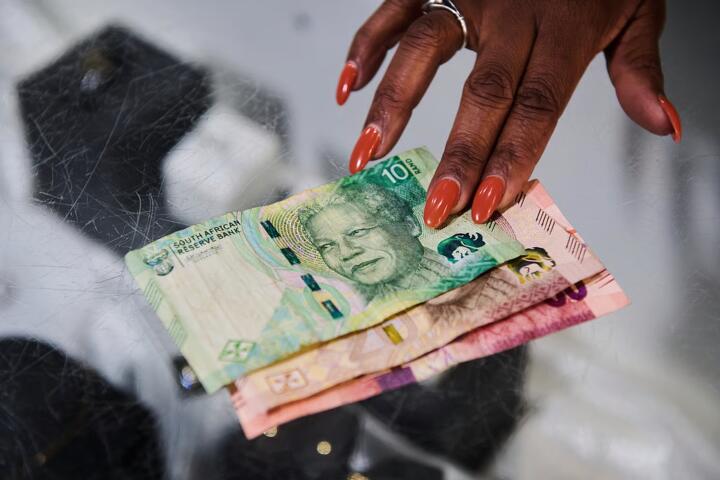
Africa’s monetary system reflects its vast cultural and economic diversity. Over 50 countries use a variety of currencies. West Africa largely shares the CFA franc pegged to the euro, while East Africa often uses the Kenyan shilling or Tanzanian shilling. South Africa’s rand is widely accepted in neighboring countries. Nigeria’s naira, with over 200 million users, ranks high in transaction volume.
Many rural areas rely heavily on cash due to limited banking services. For instance, less than 40% of Tanzanians have access to formal bank accounts. In urban centers like Lagos, card payments are rapidly increasing, but cash remains the primary medium. Mobile money platforms—like Kenya’s M-Pesa—handle about 30% of GDP flows, illustrating hybrid reliance on digital and physical money.
Common Issues Encountered
People assume card payments work the same across all countries; this leads to unexpected refusals and fees. For example, Visa and Mastercard acceptance varies widely. Merchant terminals in some countries only support local chip-and-PIN systems, excluding foreign cards. Currency exchange often involves hidden charges or poor rates, especially at airports or informal vendors.
Delays in cross-border payments disrupt trade, and ATMs often run dry in remote spots. The complexity adds costs; a Ghanaian exporter told me her international card transaction failed despite being prepaid, which frustrated her and caused shipment delays. Travelers often bring pounds or dollars, assuming easy conversion, but local restrictions sometimes limit these transactions.
Practical Payment Tips
Choose the Right Card
Cards with low foreign transaction fees and contactless capabilities help avoid vendor rejections. Mastercard works better in Southern and East Africa; Visa dominates West Africa. Discover and American Express often face poor acceptance. Consider multiple cards from different networks. N26 and Revolut sometimes surprise with better acceptance, though they’re not widely known.
Use Mobile Money Platforms
Mobile wallets like M-Pesa (Kenya), MTN Mobile Money (Ghana), and EcoCash (Zimbabwe) bypass traditional banks’ limitations. Sending and receiving money via phone is faster and often cheaper. About 60% of adults in Kenya have mobile money accounts. To pay bills or merchants, linking cards to mobile accounts is becoming common.
Local Currency is King
Always withdraw local currency where possible, but avoid airport exchange counters that offer rates worse by up to 10%. ATMs charging up to $5 per withdrawal are standard in places like Nigeria, so minimizing withdrawals saves costs. Use banks with international partnerships to reduce fees.
Plan for Offline Transactions
Many markets and rural areas only accept cash. Keep small denominations handy. Chip cards sometimes malfunction because of poor terminal maintenance, leaving magnetic stripe a fallback (though less secure). Carry physical cards even with mobile wallets.
Track Exchange Rates in Real Time
Apps like XE or Bloomberg update currency data every few seconds. Knowing current rates helps avoid poor deals. That side hustle I once managed in Ghana ended because the naira-dollar rate swung unexpectedly—caught me off guard.
Verify Card Compatibility
Before traveling or transacting internationally, call your bank to confirm your card will work in the intended country. Ask about withdrawal limits and blocked transactions to avoid freezing. Some banks block transactions from certain African countries by default due to fraud concerns.
Use Regional Payment Networks
In South Africa, the EFT (Electronic Funds Transfer) system moves money almost instantly between accounts. Nigeria uses NIBSS for electronic payments with increasing card issuance. Familiarity with these networks increases transaction success rates. Use them when available.
Avoid Unofficial Currency Exchanges
Market rate is often better on informal streets, but the risk of counterfeit notes rises. Bring a UV pen or money detector app. Scams in big cities like Cairo or Dakar are frequent. Trust licensed bureaus or banks for conversions.
Use Multi-Currency Accounts
Providers like TransferWise (now Wise) allow holding and spending in multiple currencies. Avoids constant conversions and lowers fees. Expats and freelancers often depend on them, especially with African clients paying in euros or dollars.
Real Payment Success Cases
A Nairobi-based tech startup struggled with delayed payments from foreign clients due to local bank restrictions. They switched to Wise multi-currency accounts paired with M-Pesa withdrawals. Result: payment speed improved 70%; avoided 8% in fees monthly.
In Lagos, a retail chain expanded card acceptance by installing Verifone terminals compatible with chip-and-PIN and contactless. They noted a 35% rise in sales within 6 months and fewer abandoned carts. Staff training was key—many vendors initially resisted the new tech.
Key Payment Features Compared
| Payment Type | Coverage | Fees | Speed |
|---|---|---|---|
| Cash | Universal local | None | Instant |
| Visa/Mastercard | Major cities | 1-3% per tx | Seconds |
| Mobile Money | Selected countries | Low | Instant to hours |
| Bank Transfers | Urban areas | Moderate | Hours to days |
Errors to Dodge
Don’t rely on just one payment method. I once assumed my Mastercard worked in Egypt, and I was stranded. Vendors might refuse cards with no local chip standard. Avoid fluctuating currency conversion by exchanging at reliable banks. Check ATM withdrawal limits and fees ahead — overlooked rules bite hard. Never share PINs or codes, even if the merchant seems honest.
Not updating your mobile banking app can cause failures during payment. Also, don’t forget to register your card for international use; some banks block foreign transactions by default. Avoid carrying large cash sums in unfamiliar cities, despite access challenges.
FAQ
Can I use a foreign card easily in Africa?
It depends on the country and card type. Visa and Mastercard see broad acceptance in big cities, but you must verify local compatibility and alert your bank to avoid blocks.
Are mobile money wallets safe to use?
Yes, when used properly. They require PINs and often provide transaction records. However, scams occur, so only transact with trusted parties and secure your phone.
How do currency exchange rates vary across Africa?
Rates differ by location and provider. Urban banks offer official rates close to market value; street exchangers might undercut you by 3-10%, sometimes more.
What card types have the lowest fees?
Prepaid travel cards and fintech digital banks like Revolut often charge less than traditional banks. Still, check all fees, including ATM withdrawals and currency conversions.
Is cash still necessary in Africa?
Yes. Many merchants, especially small businesses and rural vendors, accept only cash. Having local notes in various denominations prevents inconvenience.
Author's Insight
My years handling multi-country projects in Africa taught me that no one solution fits all. Cash remains powerful but requires careful management. Digital payments grow fast but depend on local infrastructure — more fragile than advertised. Having multiple cards, mobile wallets, and local currency ready makes daily transactions less stressful. A bit of patience, plus constant rate checks, goes a long way.
Final Thoughts
Understanding Africa’s currency and card systems reduces surprises and losses. Use mobile money and reliable multi-currency cards alongside cash. Confirm local payment norms before traveling or trading. Track rates regularly and prepare for offline payments in rural areas. Combining these tactics makes financial transactions smoother on the continent.