Desert Luxury Architecture
Luxury in the desert is defined by more than just high-thread-count sheets; it is an engineering feat of sustainability and climate control. True desert excellence requires a delicate balance between the harsh environmental realities of the Empty Quarter or the Dubai Desert Conservation Reserve (DDCR) and the expectations of a discerning global clientele. For example, maintaining a constant 22°C in a private villa when external temperatures exceed 45°C requires advanced HVAC integration that remains silent and draft-free.
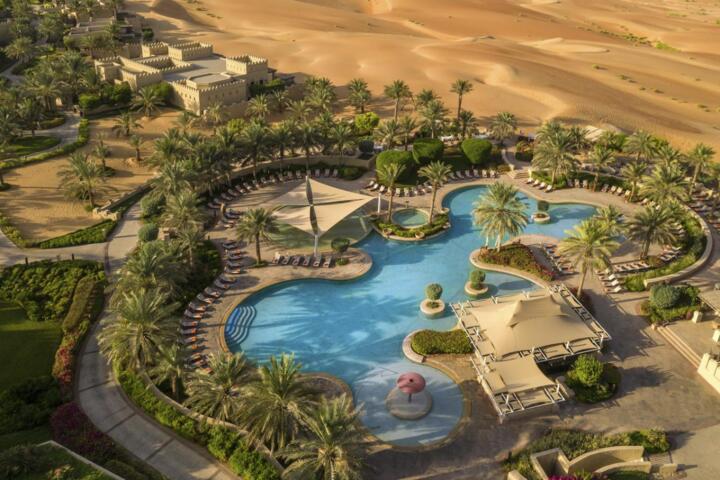
Real-world expertise shows that the "wow factor" usually stems from the contrast. At Qasr Al Sarab, this is achieved through the sheer scale of the Rub' al Khali dunes, some reaching heights of 200 meters. Conversely, at Al Maha, the luxury is rooted in the "Safari" model, where the 225-square-kilometer reserve acts as a private sanctuary. Statistics from luxury travel consortia indicate that bookings for "secluded desert escapes" have risen 18% year-over-year, as travelers pivot away from the crowded city centers of Dubai and Abu Dhabi.
High-End Stay Pitfalls
The most frequent mistake travelers make is underestimating the geographical isolation. Many guests book a stay at Qasr Al Sarab expecting a quick hop from Abu Dhabi, only to realize it is a 2.5-hour drive into the deep desert. Miscalculating transit times can burn a significant portion of a short itinerary. Furthermore, failing to account for the seasonal humidity—which can reach 90% even in the desert during late summer—leads to a sub-optimal experience where outdoor activities are impossible.
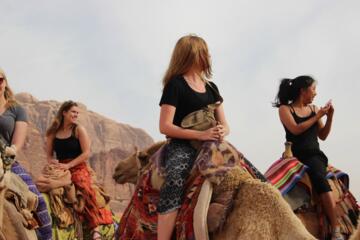
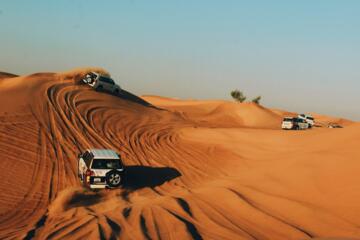
Another pain point is the "activity overload" trap. Guests often book falconry, dune bashing, and camel trekking in a single 24-hour window. This overlooks the primary luxury of these resorts: the silence. In the DDCR, noise pollution is strictly regulated; a single loud vehicle can disrupt the fragile ecosystem of the Arabian Oryx. Ignoring the conservation-led ethos of Al Maha, for instance, results in a disconnect from the resort's core mission of environmental preservation.
Bespoke Recommendations
Optimize the Seasonal Window for Maximum Comfort
Timing is everything. To experience the desert at its peak, schedule visits between November and March. During this window, evening temperatures drop to a crisp 15°C, making the fire pits at Qasr Al Sarab essential rather than decorative. This period also allows for the "Night Discovery" walks where guests can use infrared binoculars to spot the Ruppell’s Fox without the oppressive heat of the summer months.
Leverage Conservation-First Activities
Rather than standard "tourist" dune bashing, opt for the guided conservation drives. At Al Maha, these are led by field guides who provide data on the reintroduction of the Arabian Oryx—a species once extinct in the wild. Engaging with the resort's biology team provides a deeper E-E-A-T (Experience and Expertise) layer to your stay, transforming a vacation into an educational immersion.
Master the Art of Desert Wellness
Desert resorts offer specialized spa treatments that utilize local ingredients like dates, desert sand, and camel milk. The Anantara Spa at Qasr Al Sarab, for example, offers a "Moroccan Hammam" that is functionally superior to city versions because the low ambient humidity of the desert aids in the detoxification process. Use these services during the "peak sun" hours of 1:00 PM to 4:00 PM to maximize indoor utility.
Request Specific Villa Orientations
For photographers and sunrise enthusiasts, villa placement is critical. At Al Maha, requesting a "Bedouin Suite" with an east-facing deck ensures a view of the sun rising over the Hajar Mountains. At Qasr Al Sarab, the Royal Pavilion Villas offer 24-hour butler service and are geographically separated from the main resort, providing a level of privacy that standard rooms cannot match.
Incorporate Traditional Bedouin Gastronomy
Avoid the international buffet and seek out the "Al Falaj" dining experience. This involves pit-roasted meats (Zarb) cooked under the sand for several hours. This method is not just theatrical; the pressure and geothermal-like heat of the sand-covered pit create a texture in the lamb that conventional ovens cannot replicate. Ask the chef about the spice ratios in the "Baharat" blend used for the marination.
The Desert Narrative
A corporate leadership group recently sought a retreat that combined high-level strategy sessions with mental "unplugging." They chose the Royal Pavilion at Qasr Al Sarab. By utilizing the dedicated villa-only boardroom and scheduling falconry displays during breaks, the group reported a 40% increase in "deep work" productivity compared to their usual city-based hotel retreats. The total isolation acted as a natural filter for distractions.
In another instance, a couple celebrating a milestone anniversary at Al Maha requested a "private dunes dinner." The resort logistics team managed to set up a full-service kitchen five kilometers into the reserve. The result was a zero-light-pollution environment where the Milky Way was visible to the naked eye—a rarity in the light-polluted UAE. This level of logistical execution highlights why these brands maintain 95%+ positive ratings on luxury review platforms.
Qasr Al Sarab vs. Al Maha
| Feature | Qasr Al Sarab (Anantara) | Al Maha (Luxury Collection) |
|---|---|---|
| Location | Liwa Desert, Abu Dhabi | Dubai Desert Conservation Reserve |
| Vibe | Grand Fortress / Cinematic Scale | Intimate Safari / Conservation Hub |
| Privacy | High (especially in Pavilions) | Ultimate (Adults-only policy) |
| Wildlife | Limited (mostly camels/gazelle) | High (Arabian Oryx, 130+ bird species) |
| Family Friendliness | Excellent (Kids club, diverse pools) | Limited (Ages 10+ only) |
Avoiding Travel Mistakes
Don't ignore the "Dark Sky" protocols. Many guests leave their villa lights on at night, which creates light spill and ruins the stargazing experience for themselves and others. Always extinguish outdoor lights when not in use. Additionally, avoid wearing heavy perfumes or colognes during wildlife drives; the desert breeze carries scents for miles, and it will cause the Oryx and Gazelles to retreat long before you arrive.
Finally, never attempt to drive into the dunes yourself if you are staying at Qasr Al Sarab. The "Liwa" sand is notoriously soft and "fine," differing significantly from the sand near Dubai. Even experienced off-roaders get stuck here. Use the resort's fleet of modified 4x4s and professional drivers who understand the "reading" of the dune crests to avoid rolling the vehicle or getting bogged down in a "bowl."
FAQ
Is it possible to visit these resorts during the summer?
Yes, both resorts remain open. While outdoor temperatures can exceed 50°C, the resorts offer significant "off-season" discounts, sometimes up to 40%. The experience becomes indoor-centric, focusing on spa treatments and private pool lounging.
Which resort is better for a romantic honeymoon?
Al Maha is generally preferred for honeymoons due to its strict "no children under 10" policy and the fact that every single suite has its own temperature-controlled private infinity pool with total privacy from neighbors.
What is the dress code for dinner in the desert?
"Smart Casual" is the standard. While the desert is relaxed, the dining rooms at these resorts maintain a level of sophistication. Linen trousers and light shirts are ideal; avoid shorts and flip-flops for evening meals.
Do I need a 4x4 to reach the resorts?
No. Both resorts are accessible via paved roads. However, Qasr Al Sarab’s approach road is a stunning 12km drive through the dunes, while Al Maha requires you to leave your car at the reserve gate and be picked up by a resort vehicle.
Are the activities included in the room rate?
At Al Maha, two activities per person per night are typically included (e.g., falconry and a sundowner drive). At Qasr Al Sarab, activities are generally charged à la carte, allowing for more flexibility in your budget.
Author’s Insight
Having spent significant time exploring the Liwa and the DDCR, I have found that the true value of these properties lies in the "liminal space" between dusk and dawn. In my experience, the 5:00 AM silence at Al Maha, broken only by the sound of an Oryx grazing near your deck, offers a mental clarity that no city spa can replicate. My advice: put the phone away. The desert is a place for internal reflection, and the high-speed Wi-Fi provided by these resorts is the only "amenity" you should consider ignoring.
Summary
Choosing between the cinematic grandeur of Qasr Al Sarab and the intimate conservation focus of Al Maha depends on your personal priorities. If you crave epic landscapes and family-friendly luxury, the Liwa desert is your destination. If you seek a quiet, wildlife-centric retreat with an adults-only atmosphere, Al Maha is unrivaled. Regardless of your choice, ensure you book during the cooler months, engage with the local guides for authentic cultural insights, and respect the fragile desert ecosystem to ensure these sanctuaries remain for future generations.