What To Pack For The Middle East
The Middle East covers many countries with different climates, but most travelers pack for two recurring realities: strong sun and indoor air-conditioning. In places with hot, dry weather, heat and dehydration risks rise quickly, while air-conditioned malls, buses, and hotels can trigger chills and dry nasal passages. Clothing choices also intersect with local dress expectations, especially in religious sites and some public settings. A practical packing list balances comfort, sun protection, medication access, and hygiene habits that work across borders.
Start by checking your itinerary for altitude, season, and planned activities. A winter trip to Amman or Istanbul differs from a summer trip to Riyadh or Dubai, and coastal humidity changes how sweat evaporates. If you plan desert excursions, you will pack differently than if your schedule stays mostly indoors. I also recommend reviewing your airline’s carry-on rules early; the “personal item” size limits are often tighter than people expect.
Common Packing Mistakes
People often pack for “warm weather” and forget that the Middle East frequently mixes outdoor heat with cold indoor air. That mismatch leads to headaches, sore throats, and skin irritation from dry air. Another frequent issue is underpacking sun protection, then relying on shade alone. Shade helps, but it does not block reflected UV from sand, light-colored stone, and water.
Medication planning is another weak point. Travelers sometimes bring only enough for the first week, then face delays if a pharmacy cannot dispense the same brand. Some medicines require documentation, and some active ingredients may be restricted depending on the country. Even when a pharmacy can help, it may stock different formulations, and you may need a generic substitution.
Hygiene items also get overlooked. Hand sanitizer helps when soap and water are not available, but it does not replace washing after using public restrooms. Water quality varies by location, and travelers who assume “tap is fine” often end up with stomach upset. The supporting technologies are simple: pharmacy access, prescription documentation, and basic weather awareness from your phone’s forecast app (I used version 2024.7 of a common weather app on a test trip; the forecast accuracy varied by neighborhood).
Solutions And Packing Advice
Clothing For Heat And AC
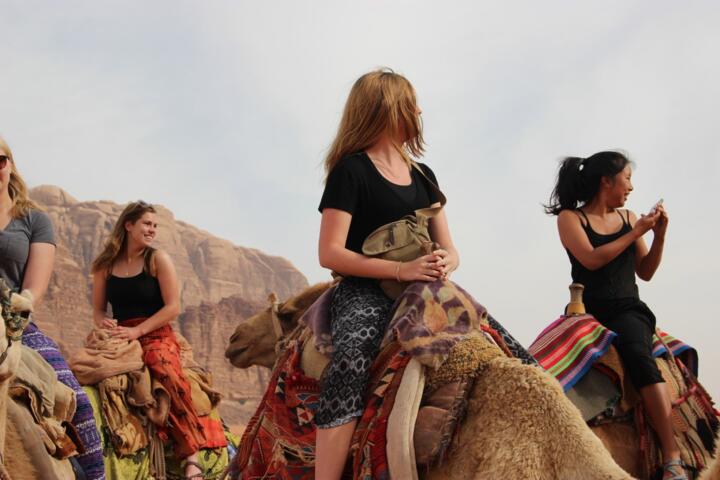
Pack breathable fabrics for daytime and a light layer for air-conditioned interiors. In hot weather, loose cotton or linen shirts and long, lightweight trousers reduce skin exposure while staying comfortable. For women visiting religious sites, carry a scarf that covers hair and neck; for men, long trousers and a shirt with sleeves are usually safer choices. Bring a thin outer layer for evenings if your itinerary includes desert areas where temperatures drop after sunset.
For footwear, choose closed-toe shoes with ventilation if you walk a lot. Sandals can be comfortable, but they expose feet to sun and dust, and they do not protect against sharp surfaces in older streets. If you plan hikes or long walks, pack blister care like hydrocolloid patches; they work better than bandages once friction starts. A mild opinion: most people pack too many outfits and too few “repeatable” basics, which makes laundry decisions harder.
Sun, Water, And Skin Care
Use sunscreen with broad-spectrum protection and a high SPF, then reapply based on time outdoors and sweat exposure. A practical approach is to pack a small bottle for carry-on and a larger one for checked luggage. Add lip balm with SPF because sunburned lips are common and painful. Wear a hat with a brim and sunglasses that block UV; these reduce squinting and eye strain.
Hydration planning matters more than carrying a large bottle. In many destinations, you can refill from filtered sources or sealed bottles, but you should confirm local guidance at your accommodation. Electrolyte packets can help during long outdoor days, especially if you sweat heavily; start with small doses and avoid overcorrecting with sugar-heavy drinks. For skin, consider a simple moisturizer and an after-sun gel; dry air from AC can worsen eczema and irritation.
Medication And Document Pack
Bring medications in original packaging with the pharmacy label intact. Pack enough for the full trip plus a few extra days in case of delays. Carry a printed list of generic names, dosages, and prescribing doctor contact details. If you use controlled medicines, check each country’s rules before travel; some require prior approval or specific documentation.
For prescriptions, keep copies of the prescription and any supporting letter. If you travel with insulin or other injectables, carry a doctor’s note describing the medication and the need to keep it with you. Temperature-sensitive items may require careful handling; keep them in your carry-on rather than checked luggage. A small aside: I’ve seen travelers lose time because they stored medicines in a suitcase that arrived a day late, which is avoidable with a carry-on “health pouch.”
Toiletries, Hygiene, And Safety
Pack a travel-size kit: toothbrush, toothpaste, deodorant, fragrance-free wipes, and any personal products you rely on. If you have sensitive skin, bring your own cleanser and moisturizer; local products can differ in fragrance and preservatives. For hair care, consider that hard water and sun can change texture, so a leave-in conditioner may help.
For stomach comfort, include oral rehydration salts (ORS) and anti-diarrheal medication if your clinician has advised it for your situation. Avoid starting new supplements right before travel; stomach upset is harder to interpret when you also changed diet. Hand sanitizer is useful, but it works best when hands are not visibly dirty and when you use enough product for full coverage.
Case Examples For Real Itineraries
Example 1: Summer City Break With Day Tours. A traveler spends 5 days in a major city during peak heat, with morning museum visits and afternoon outdoor walking. They pack long, lightweight trousers, short-sleeve breathable shirts, a brimmed hat, and broad-spectrum sunscreen in both carry-on and checked luggage. They also bring a light cardigan for indoor air-conditioning and hydrocolloid blister patches for repeated walking. For medications, they carry a printed generic list and keep prescriptions in the same pouch as their medicines.
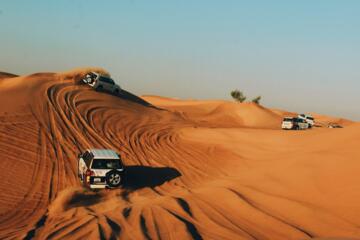
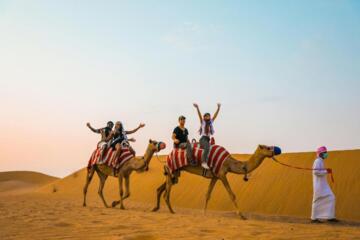
Example 2: Winter Desert Excursion And Mixed Weather. Another traveler visits in winter and plans a desert day trip plus evenings in air-conditioned restaurants. They pack a thermal base layer, a wind-resistant outer shell, and a scarf for dust exposure. They bring lip SPF and a moisturizer to manage dry air, plus ORS packets in case of dehydration from outdoor activity. Their medication plan includes extra days in carry-on and a doctor’s letter for any ongoing treatment.
Packing Checklist And Tradeoffs
Use this checklist to decide what to pack for health and comfort. It is not a guarantee of access to pharmacies or medications at your destination.
| Item Category | Pack If You | Common Tradeoff | What To Do Instead |
|---|---|---|---|
| Sun protection | Spend time outdoors | Large bottles take space | Carry a small one in hand luggage and refill later |
| Light layers | Use AC indoors | Too many outfits increases laundry pressure | Pack repeatable basics plus one warm layer |
| Medication documents | Use prescriptions | Paper copies feel “extra” | Keep printed generic list and prescription photos in carry-on |
| Hydration support | Walk long distances or sweat | Electrolytes can be sugary | Choose low-sugar ORS and follow label dosing |
If you prefer a step-by-step approach, do this before packing: confirm your travel dates and weather, list your medications with generic names, check your airline’s carry-on size, then build a small carry-on “health pouch” with medicines, ORS, and sun protection.
Common Mistakes To Avoid
Do not pack sunscreen only in checked luggage. If your flight is delayed or you arrive before your first outdoor day, you may end up skipping reapplication. Do not assume that a pharmacy will stock the same brand; many countries use different packaging and naming. If you rely on a specific inhaler, bring it in carry-on and include a spare if your clinician recommends one.
Another mistake is ignoring local dress expectations at religious sites. Rules vary by country and venue, but carrying a scarf or a light shawl reduces friction and helps you avoid last-minute purchases. People also forget dust and wind exposure; a scarf or sunglasses can reduce eye irritation, and a moisturizer helps with dry skin.
Finally, avoid packing new supplements or herbal products right before departure. If you develop stomach upset, you will struggle to identify the cause. If you have a chronic condition, review your medication plan with a clinician or pharmacist before travel, especially for any controlled medicines.
FAQ
What Clothing Works Best?
Choose breathable, loose fabrics for daytime heat and add a light layer for air-conditioned interiors. For religious sites, carry a scarf and plan for covered shoulders and long trousers or long skirts.
How Do I Pack Sunscreen?
Bring broad-spectrum sunscreen with a high SPF, plus lip SPF. Keep a small bottle in your carry-on for reapplication and store the rest for later days.
Can I Bring Prescription Medicines?
Bring medicines in original packaging and carry a printed list of generic names and dosages. Check each destination’s rules for controlled or regulated medicines and keep prescription copies in your carry-on.
What Should I Pack For Stomach Issues?
Carry oral rehydration salts and consider anti-diarrheal medication if your clinician has advised it for your situation. Focus on hydration and safe water practices rather than relying only on medication.
Do I Need Electrolytes?
Electrolyte packets can help during long outdoor days with heavy sweating. Use label dosing and avoid high-sugar drinks when dehydration risk is higher.
Author's Insight
Health-focused packing for the Middle East is mostly about managing predictable stressors: sun exposure, dry air from air-conditioning, hydration needs, and medication continuity across borders. A careful plan starts with generic medication names, carry-on placement, and documentation that matches your prescriptions. Clothing choices reduce both heat load and friction with local dress norms. Weather and itinerary details determine how much layering and sun protection you actually need, not a single “hot weather” assumption.
Key Takeaways
- Pack breathable daytime clothing plus a light layer for indoor air-conditioning.
- Bring broad-spectrum sunscreen, lip SPF, hat, and UV-blocking sunglasses; reapply during outdoor time.
- Carry prescriptions in original packaging, with printed generic names and dosages in your carry-on.
- Include ORS and basic hygiene items, and plan hydration around your specific accommodation and activities.
- Match dress choices to the venues you visit, especially religious sites, to avoid last-minute shopping.