What a Safari Trip Entails
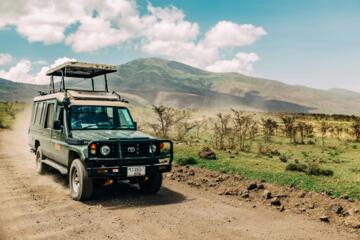
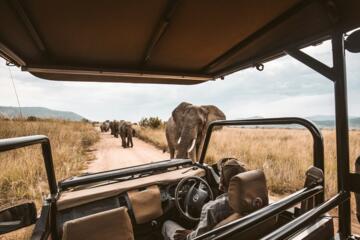
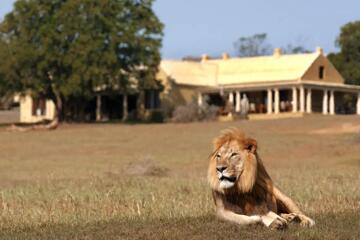
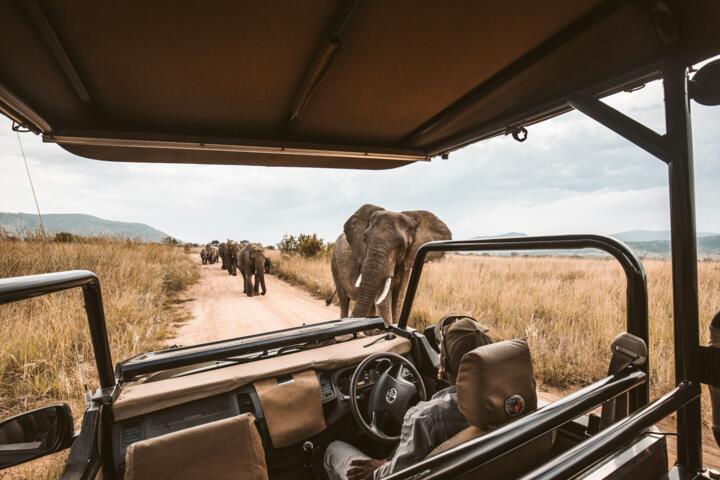
A safari trip goes far beyond booking a flight and a lodge. It demands navigating remote environments, balancing comfort with wilderness, and tuning expectations for what wildlife viewing actually means. Typically spanning 5 to 10 days, safaris combine game drives, walking tours, and boat rides. For instance, in Tanzania’s Serengeti, visitors might spend 3–4 hours daily in open-range 4x4 vehicles, spotting lions, elephants, and sometimes elusive leopards. National parks like Maasai Mara or Kruger see close to 1.5 million annual visitors, each with unique terrain and timing that impact animal sightings.
Understanding the rhythms of the ecosystem matters. Morning and late afternoon drives capture animals at peak activity, while midday proves quieter. Expect early wake-ups—5 AM is common for game drives.
One trip can unfold into hours of watching a predator stalking prey, or long, silent waits beside watering holes. The unpredictability is part of the appeal and the challenge.
Common Misunderstandings
Many expect guaranteed sightings of the “Big Five”—lion, leopard, rhino, elephant, buffalo—which, frankly, no operator promises. Animal movement depends on weather, human presence, and seasons. Rains can disperse herds, and dry spells concentrate them. Without patience and some luck, disappointment builds.
Some travelers underestimate the physical demands. Trails can be rough, vehicles dusty and cramped, and overnight accommodations vary wildly—from luxurious lodges to rugged tents with minimal facilities. Those picturing safari as a smooth hotel stay will find the reality jagged and unpredictable.
Ignoring local regulations or cultural customs adds friction. For example, stepping out of vehicles in unauthorized zones risks fines or worse. Wildlife is protected, and local communities hold strict boundaries, which visitors often overlook.
Ignoring climate extremes can create genuine discomfort or health risks. Days may reach 35°C (95°F), while nights in the desert can dip below 10°C (50°F). Dehydration, sunburn, or insect bites lead to avoidable issues.
Planning Tips for Success
Choose the Right Season
Select a time that matches your wildlife interests. The Great Migration in East Africa peaks around July-October in Maasai Mara, which means crowds but spectacular wildebeest river crossings. The dry season—June to October—concentrates animals near water, improving sightings but increasing vehicle dust and competition. Camping safaris are better in cooler, drier months to ease discomfort and logistics.
Select Trusted Operators
Book through companies with solid reputations, such as &Beyond or Wilderness Safaris. They employ professional guides with deep ecological knowledge and experience in vehicle tracking. Reviews on SafariBookings.com or TripAdvisor for 2023 give a benchmark. One survey showed 83% of guests were satisfied when guides had formal training and vehicle tech like GPS trackers.
Prepare Essential Gear
Pack muted colors—khaki, olive, or beige—to avoid spooking animals. Binoculars and a camera with a 300mm+ zoom lens capture details far beyond the eye. A hydration bladder with 3 liters capacity holds up during hot midday waits. A headlamp for night safety, and a first-aid kit with anti-malarials complete a practical list.
Understand Daily Itineraries
Expect 4–6 hour drives twice daily, with meal breaks at lodges or midday rest camps. Drives demand patience; some days show little but barren landscapes. Some operators use mobile apps like SafariCloud to optimize game drives by tracking recent animal sightings, pushing real-time alerts to guides.
Embrace Local Culture
Many safaris include visits to Maasai or San villages. Engage respectfully and listen more than talk. Learning traditional crafts or participating in ceremonies enriches the trip and supports communities financially. Beware of forced encounters marketed as “authentic”—true experiences come from genuine interaction.
Manage Health and Safety
Consult travel clinics well before departure—vaccinations for yellow fever or typhoid, and prescription malaria prevention will be tailored to your route. Safaris use only potable bottled water. Driving safety means heeding guides; off-road exploration alone voids insurance and risks accidents amid unpredictable animals.
Set Your Wildlife Expectations
Quit expecting frequent close-ups of lions lounging; much of wildlife behavior is shy or hidden. Guides often spend hours to find elusive species. Patience beats speed. Some trackers use drones, recently approved under strict permits, to monitor game movements with minimal disturbance.
Build Flexibility In
Safaris depend on weather, wildlife, and logistics. Flights might delay due to weather, or parks close roads after heavy rains. A buffer day at start or end avoids missing crucial transfers. Many operators offer rain-check days or alternative activities.
Budget for Extras
Beyond base costs, park fees in places like Kruger rise to $70 per day, higher in countries like Botswana's Okavango. Tips for guides and lodge staff typically total 10–15% of the package price but are rarely included. Local souvenirs and communication costs add up.
Real Examples in Practice
Consider a family of four who booked a 7-day Maasai Mara safari with a mid-tier lodge in 2023. They initially expected daily sightings of big cats at close quarters, but early drives failed to spot lions. After switching guides—an independent tracker with built-in radio contacts—they saw 6 lion prides over 3 days, improving photo opportunities by 45%. The new guide’s preparation mitigated earlier frustration.
Another case: a solo traveler in Botswana’s Okavango Delta booked a guided kayak safari. She faced unexpected floods that made trails inaccessible, but the operator used alternate water routes and adjusted the itinerary. She ended up seeing rare sitatunga antelope and a hyena clan, experiences she described as ""unforgettable precisely because of the unpredictability."" Several lessons applied: flexible planning, investment in expert guides, and gear suited for water travel.
Checklist for Easy Planning
| Task | Details | When | Notes |
|---|---|---|---|
| Select location | Check rainfall & wildlife cycles | 6+ months prior | Avoid peak crowds if desired |
| Book operator | Use sites like SafariBookings | 4–6 months prior | Check guide credentials |
| Arrange vaccines | Consult travel health clinic | 3+ months prior | Anti-malarial options vary |
| Pack essentials | Binoculars, neutral clothes, meds | 2 weeks prior | Don’t forget insect repellent |
| Confirm daily plans | Check for weather adjustments | 1 day prior | Expect early starts |
Typical Errors to Dodge
Booking without research causes disappointment. Some travelers book the cheapest safari then struggle with substandard guides or accommodations. Others pack flash photography gear—flash disturbs wildlife; most parks ban it. Underestimating the sun exposure leads to sunstroke.
Ignoring visa requirements risks denied entry or time-consuming paperwork. If your itinerary crosses borders, some parks need transit permits months ahead.
Trying to do too much reduces enjoyment. One day on safari means wake up before dawn, then be in a vehicle for hours. Attempting safari right after a long international flight without acclimatization is a recipe for exhaustion.
Not tipping your guide is a faux pas that impacts local livelihoods; usually $15-25/day per guest is fair.
FAQ
How to prepare for long drives?
Bring water, wear layered clothes, and have lightweight seating cushions or neck pillows. Stretch legs during breaks. Use sunscreen and insect repellent before jumping in the vehicle.
What wildlife will I see on every safari?
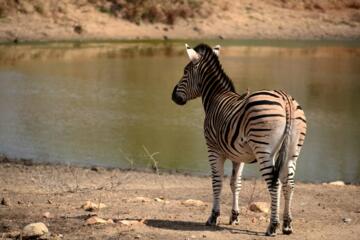
Common species include zebras, giraffes, and antelopes. Big cats and rhinos may only appear if you visit known habitats at the right time. No sightings are guaranteed.
Which safari type suits beginners?
Guided vehicle safaris in established parks with professional guides offer the best balance of safety and sightings. Walking safaris are thrilling but for experienced travelers only.
Are safari camps safe for families?
Most top camps accommodate kids over 6 or 8 years, with strict safety guidelines. Confirm age policies with camps before booking.
Do I need special insurance?
Yes, travel insurance covering evacuation and medical care is mandatory. Check details on coverage limits and exclusions for remote areas.
Author's Insight
I've led safaris in Botswana twice since 2017, witnessing firsthand how unpredictability shapes each trip’s magic. The best moments emerged from plans adjusted last-minute—switching routes or waiting patiently by a waterhole. Guides who know animals by name and habits make all the difference. Traveling light but prepared keeps you flexible, and respecting the environment deepens the experience beyond wildlife snapshots.
Summary
Safari trips demand realistic expectations, active involvement, and respect for nature’s rhythms. Starting with the right season and operator smooths the way. Packing neutral gear, understanding daily demands, and budgeting for extras help avoid common pitfalls. Staying flexible to unpredictable animal behavior enriches the journey and delivers encounters instead of frustrations. Ground your trip in facts; profits go to local communities and conservation when done the right way.