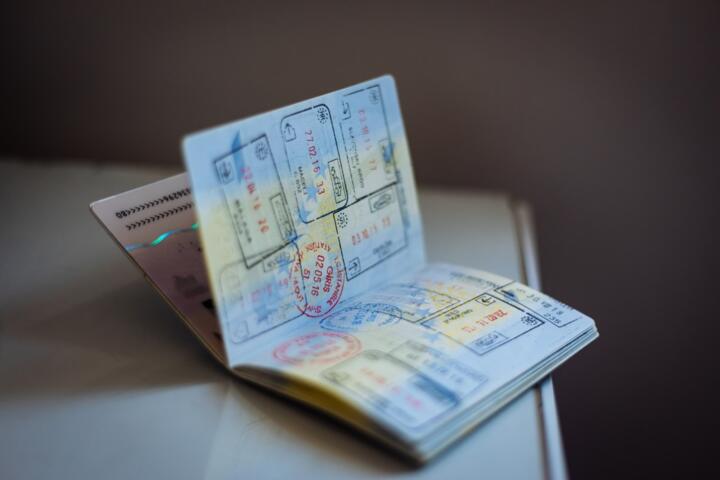
Overview of African Visas
African countries issue a variety of visa types based on the visitor's purpose, nationality, and length of stay. For instance, South Africa grants tourist visas valid up to 90 days, while Kenya recently extended its e-visa validity to 90 days with multiple-entry options. Over 30 countries on the continent offer e-visa services or visas on arrival, facilitating easier travel. For example, Rwanda started e-visas back in 2018, helping increase its tourism by 25% in two years, according to government data. Not all countries provide the same convenience; some still require in-person embassy visits for even short stays.
Common Roadblocks to Face
Mistakes in visa applications cause frequent entry denials at African ports. Common errors include submitting incomplete documents, using outdated passports, and misunderstanding visa categories. For business travelers, mixing a tourism visa with commercial activity can lead to fines or immediate deportation. Tourist visas often prohibit work, and customs checks have become strict post-pandemic. Visa fees vary widely and hidden costs like expedited processing aren’t always publicized, catching visitors off guard. One Kenyan official once told me many travelers miss the 10-day lead time needed for processing and end up rescheduling flights or missing events.
Steps for Visa Success
Understand Visa Types Early
Identify the visa fitting your travel purpose to avoid rejections. Tourist, business, transit, and residence visas have distinct requirements and application forms. Checking official government portals or using updated services like iVisa saves time. In 2023, Orange Travel Insights reported that 40% of visa application delays came from applicants picking the wrong visa class.
Use Official Resources
Government websites and embassy contacts provide current application forms, fee schedules, and processing timelines. Applicants should avoid unofficial intermediaries, which contribute to scams and misinformation. For example, the Nigerian Immigration Service website lists all visa types and accepts preliminary bookings.
Prepare Documentation Thoroughly
Consulates usually require a passport valid for at least six months, recent photos, proof of funds, return tickets, and purpose justification. Letters of invitation help in business or family visas. Airlines may double-check visa validity during check-in, especially for Angola, where the entry requirements are stringent. Misplaced documents cause denial at entry gates with no appeal.
Apply Well Before Departure
Visa processing can range from 3 to 30 days or more, based on the country and season. Countries like Ethiopia recommend applying at least two weeks ahead, but delays occur. Expensive expedited options exist but check if they fit your timeline and budget. Pro tip: applying during a weekday morning at embassies can reduce delays, as weekend applications might be processed slower.
Consider e-Visa and Visa On Arrival
Close to 30 African countries offer e-visa or visa on arrival services, including Egypt, Tanzania, and Zambia. E-visas cut down application time significantly, though you must complete the digital forms correctly. Visa on arrival is convenient but, frankly, some airports experience long queues and occasional paperwork confusion, as I've witnessed at Entebbe Airport.
Keep Copies of Your Application
Retain print or digital copies of visa applications, payment receipts, and correspondences. This habit helps in clarifying issues or reapplying if needed. I once saved a failed traveler from extra days in Morocco after a system glitch erased his application record.
Check Country-Specific Requirements
Visa rules change frequently and depend on bilateral agreements. For instance, Ghana strictly requires Yellow Fever certificates, while Botswana recently introduced mandatory travel insurance proof. Checking real-time official sources—like IATA’s Timatic system accessed by many airlines—helps avoid unexpected refusals.
Use Trusted Visa Agents Sparingly
Some countries restrict direct embassy submissions and allow authorized agents. Choose agents with clear credentials, avoid cash-only offers, and verify their service legitimacy. A friend’s use of an unverified agent for a Malawi visa resulted in a fraudulent application and a 600 USD loss.
Register with Your Embassy
Many governments ask nationals traveling abroad to register with their embassy, which can facilitate emergency assistance and visa support if problems arise. The U.S. Embassy in Nairobi recommends this for all travelers for security alerts and help during unforeseen events.
Real Travel Stories
Two years ago, a tech startup based in Lagos needed to send managers to Kenya for a conference. Initial travel plans got delayed due to confusion over Kenya's multiple-entry e-visa options. After switching to the official e-visa portal and submitting correct documents, both managers received visas within 7 days, cutting two weeks off projected processing time. The conference participation led directly to contracts worth $250,000.
A solo traveler from Germany attempted to visit Mozambique but landed in trouble by arriving without a visa—because she assumed visa on arrival was universal in East Africa. She had to return after a 48-hour hold and paid nearly $350 extra for a flight change. The lesson: always verify visa policies country-by-country.
Visa Criteria at a Glance
| Country | Visa Type | Processing Time | E-Visa Option |
|---|---|---|---|
| Kenya | Tourist/Business | 5-7 days | Yes |
| South Africa | Tourist | 10-15 days | No |
| Rwanda | Tourist | 3-5 days | Yes |
| Egypt | Tourist/Business | 7-10 days | Yes |
Errors to Dodge
Submit your documents carefully to avoid delays or outright denials. Missing vaccination proofs—like Yellow Fever certificates required for most Central and West African countries—are a top culprit. Trying to extend a visa beyond its max duration often triggers fines or blacklists at airports. Using tourist visas for business might sound harmless but can lead to refusal or legal trouble. Avoid assuming visa-on-arrival applies universally; it varies by nationality and country. Never ignore minor details, such as photo size specifications, or the deadline stamps on applications.
FAQ
Do I need a visa for every African country?
Yes, almost all African countries require a visa or permit except for specific visa-free agreements. Always check the destination country's official website.
Can I get a visa on arrival in Africa?
Several countries provide visas on arrival for certain nationalities, but policies vary. Verify eligibility before travel as some arrivals mandate prior e-visa approval.
How long does the visa process usually take?
Processing times vary widely; most tourist/business visas take 3 to 15 days. Expedited services can shorten this but cost more.
Are multiple-entry visas available?
Some countries, like Kenya and Rwanda, offer multiple-entry e-visas valid up to 90 days. Not all countries provide this option.
What if my visa gets denied?
Review the denial reason carefully; sometimes you can reapply with corrected documentation or appeal, depending on local rules.
Author's Insight
From years of arranging corporate and leisure travel in Africa, I've learned that starting early is the only way to avoid headaches. Governments update visa rules abruptly, so monitoring official channels reduces surprises. In my experience, relying solely on third-party visa agencies often adds layers of confusion and extra fees. I always recommend travelers keep digital copies of all submissions—that's saved me once in Zambia when the embassy misplaced records. Lastly, a personal tip: always double-check vaccine requirements—missing one shot can cost days in quarantine, which nobody wants.
Key Takeaways
Visas for African countries require careful attention to detail, type selection, and timing. By using official resources, verifying requirements country by country, and applying early, travelers minimize risks of denial or delay. Digital options like e-visas simplify the process in many nations but don't assume uniform rules. Keep vital documents and vaccination proof ready and be ready to adapt plans if conditions change unexpectedly. Hands-on preparation leads to smoother entry and more time to experience Africa’s richness.