Starting Your Safari Journey
Safaris capture the imagination, but not every destination fits new travelers. The best spots balance abundant wildlife with reliable accommodations and guided tours. Serengeti National Park in Tanzania offers an iconic experience; the annual migration attracts over 1.5 million wildebeests, a spectacle unmatched worldwide. Botswana’s Okavango Delta appeals with its water-based safaris, supporting a rich diversity of species and fewer crowds than East Africa’s famous parks. Namibia’s Etosha National Park provides dry-season game viewing around waterholes, making animals easier to spot. Expect varied terrain, climates, and animal behaviors—each place offers something distinct but approachable for beginners.
Plan well. Travel times between parks can exceed 6 hours; logistics matter.
Common Challenges For Newbies
First-time safari travelers often underestimate daily game drive routines and climate impact. Long drives on dusty roads typically start before sunrise to catch wildlife activity, requiring early wakeups. Some parks, like Maasai Mara, grow crowded during peak seasons—over 200,000 visitors in July and August—diluting the wilderness feeling. Travelers sometimes pick lodges solely on price without considering location, leading to few sightings or lengthy drives. Without proper gear — like neutral clothing and quality binoculars — spotting elusive animals becomes frustrating. Poor understanding of animal habits also causes missed sightings, especially predators like leopards, who rest off the ground or in heavy shade.
Misplaced expectations cost time and money.
Top Tips and Destinations
Opt for Known Parks
Choose parks with established guides and infrastructure: Serengeti, Maasai Mara, Kruger Park. These provide consistent sightings of the Big Five and smaller species alike. Serengeti’s 14,750 sq km area allows multiple routes depending on the season, avoiding overcrowded zones. Maasai Mara's annual migration between July and October shows robust wildlife numbers and accessible viewing points. Kruger, with 4,000+ rangers, ensures safety and abundant sightings year-round.
Pick Lodges with Private Guides
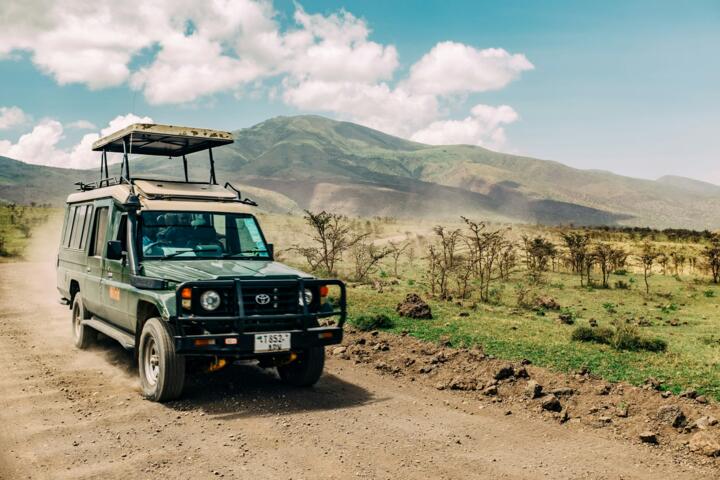
Groups or shared vehicles reduce sighting chances; private guides focus fully on your experience. They track animal movement using radio and local networks. Singita and Wilderness Safaris offer private guide options who know the terrain and reading animal tracks, increasing sightings by over 30%. Book well in advance—these options fill fast.
Travel in Shoulder Seasons
Off-peak months like late May or early November offer fewer tourists but still good game-viewing. Vegetation is sparser after rains making animals easier to spot, and accommodation costs drop by 20–40%. Avoiding peak crowds means quieter mornings and less traffic at key waterholes.
Invest in Quality Binoculars
Basic optics blur distant animals. A 10x42 binocular, like Leica Ultravid HD-Plus (model 8.0), shows wildlife clearly, revealing details unnoticed by naked eye. Reserve a pair before departure or rent on arrival. Multiple sightings grow less frustrating this way.
Understand Animal Behavior
Predators have peak activity at dawn and dusk; herbivores gather near water midday. Leopards rest up to 20 hours a day, mostly hidden. Knowledge of habits means you watch the right places at the right times. Safari guides often share tips; listen closely.
Consider Health and Safety
Malaria prophylaxis should be planned for regions like Tanzania and Zambia. Carry a basic medical kit and insect repellent with DEET. Travel insurance that covers evacuation is not cheap but worth it. Vaccinations, including yellow fever, may be required depending on the route.
Use Reliable Booking Services
Established agencies like Responsible Travel or SafariBookings offer vetted accommodations, customer reviews, and flexible cancellations. They report that 45% of first-timers who book independently face itinerary or booking issues. A good agent saves hours and headaches.
Prepare for Early Mornings
Game drives start around 6 am. Early wake-ups should not surprise newcomers who are used to relaxed schedules. Packing the night before, setting alarms, and dressing in layers beats scrambling in the cold dark.
Bring Appropriate Gear
Neutral or earth-toned clothing reduces startling animals. Wide-brim hats and UV-blocking sunglasses protect from harsh sun. Slow shutter camera modes or smartphones with telephoto lenses often capture great photos without expensive gear.
Practical Safari Success Stories
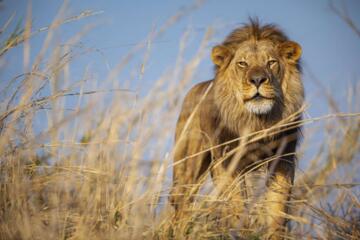
A mid-30s family traveled to Kruger in August 2019, aiming to see lions up close. Their lodge arranged a private guide who tracked a pride sighted three days in a row. The family collected over 1,500 photos, enjoyed comfortable tented camps, and reported zero travel hiccups. The highlight: lion cubs playing near the vehicle.
No big surprises.
In 2022, a couple used an agency to book a water-based safari in Botswana's Okavango Delta. They kayaked at sunrise and spotted 12 different elephant herds within 48 hours. The guide’s bird calls enhanced the experience. They praised local staff, who prepared 3-course meals on the boat—a nice touch most visitors overlook.
Safari Choices At A Glance
| Park | Best Season | Access Time | Big Five Seen |
|---|---|---|---|
| Serengeti | June-Oct | 2+ hrs flight | All present |
| Kruger | May-Sep | 30-60 min flight | All present |
| Okavango Delta | Jul-Oct | 3+ hrs flight to Maun | Mostly elephants |
| Etosha | May-Nov | 1-2 hrs flight | Good for rhinos |
Mistakes To Skip
Ignoring local weather ruins many safaris. Hot afternoons lead to long midday breaks when animals retreat; chasing sightings then wastes time. Book accommodations within or very near parks. Driving daily from distant hotels loses precious early hours. Some buyers choose cheaper deals with fewer amenities; regret sets when lodging lacks hot water, mosquito nets, or meals—basic comforts elevate overall enjoyment. Not checking vaccination requirements caused last-minute clinic visits for some last year. Relying on smartphones for navigation—where GPS signal drops often—adds stress.
Plan ahead, pack smart.
FAQ
How much does a safari typically cost?
Costs vary widely: budget options start around $150 per day, while luxury lodges can exceed $1,000 per night. Most mid-range safaris average $350–$600 daily, including accommodation, meals, and drives.
What animals can I expect to see?
Most parks guarantee sightings of elephants, buffaloes, zebras, and giraffes. Big cats—lions, leopards, cheetahs—are frequent but not guaranteed. Hippos, crocodiles, and many bird species appear, depending on the region.
When is the best time to go?
Dry season months, typically June to October, offer the best visibility and animal concentrations near water sources. This period is favored for big migrations and predator activity.
Are safaris safe for families?
Yes, most parks welcome children though some have age restrictions, often minimum 6-8 years. Choose lodges with kids' programs and follow guides' safety instructions carefully.
What should I pack for a safari?
Neutral-color clothing, sunblock, hat, binoculars, camera, sturdy shoes, insect repellent, and personal medications. Layers suit temperature swings. Avoid bright colors or perfumes that may disturb wildlife.
Author's Insight
After 15 years chasing safaris across Africa, I’ve learned the best start is a small, comfortable camp in a well-known park. My first trip, packed with gear but little knowledge, meant missed sightings and frustration. Now, I value local guides who read the land and animals like a book. Early wake-ups and patience pay off, especially around waterholes. Booking through trusted providers cuts risks, letting you focus on immersion, not logistics.
Summary
First-timers benefit most choosing established parks with solid guides, reasonable travel times, and known best seasons. Bringing proper gear, understanding wildlife patterns, and avoiding common mistakes transforms a trip from stressful to memorable. Invest in preparation and expert support—your chance to witness the wild up close improves dramatically. Select your destination based on wildlife diversity, accessibility, and personal comfort preferences. Then, turn off everyday noise and enjoy a timeless journey through nature’s theater.