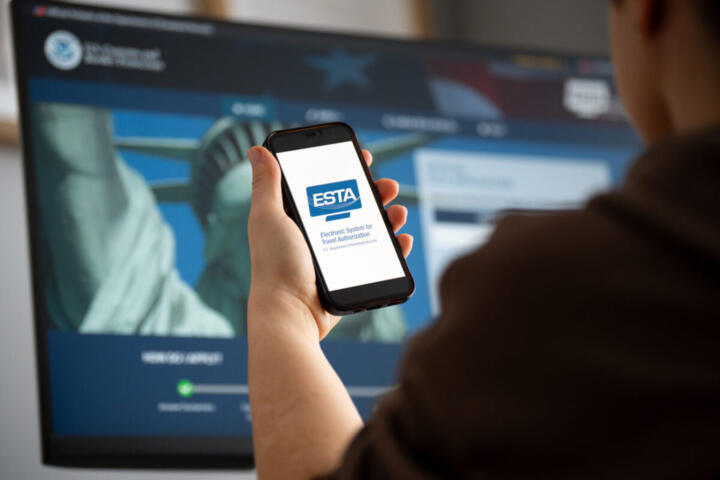
What ESTA Is
ESTA stands for the Electronic System for Travel Authorization. It is an online pre-travel authorization used for short visits to the United States under the Visa Waiver Program (VWP). Travelers do not receive a visa stamp in their passport for ESTA; instead, they receive an authorization status tied to their passport and biographic details.
ESTA is designed for trips such as tourism, visiting friends or relatives, and certain short business activities. Typical stays under the VWP are up to 90 days per entry, but the exact length depends on the traveler’s circumstances and the U.S. officer’s decision at the port of entry. If you plan to study, work, or stay longer than the VWP allows, ESTA does not replace the correct visa category.
ESTA applications collect passport and personal information, plus answers to eligibility questions. The U.S. Department of Homeland Security (DHS) uses this information to determine whether the traveler meets VWP requirements. In practice, many people treat ESTA as a formality, yet the authorization can be denied when eligibility questions are answered in a way that conflicts with VWP rules.
Common ESTA Pain Points
People often assume ESTA is the same thing as a U.S. visa, then discover at check-in that they still need a visa for their purpose of travel. VWP authorization covers specific short-term activities; it does not grant work authorization, and it does not cover long-term stays.
Another frequent issue is mismatched data between the ESTA application and the passport used for travel. A single character difference in a name, passport number, or date of birth can cause problems when airlines verify documents. Airlines typically check ESTA status electronically, but travelers still need to carry the passport that matches the ESTA authorization.
Eligibility questions also trip people up. Some questions relate to prior travel history, certain immigration or visa issues, and past involvement with activities that can affect admissibility. Many travelers answer quickly, then later realize the question wording required a different interpretation.
ESTA depends on several supporting systems: the VWP eligibility rules, the DHS ESTA processing workflow, and airline document checks. If any step fails—such as an incorrect passport scan, a typo in the application, or a mismatch between the traveler’s details and the passport—your travel plans can stall at the airport, sometimes with limited options.
How To Apply Correctly
Check Eligibility Before You Start
Start by confirming that your citizenship is eligible for the Visa Waiver Program and that your trip fits the VWP purpose. ESTA is for short visits; it does not cover study programs, employment, or stays beyond the VWP limit. If you are unsure about whether your planned activities qualify, review the VWP guidance and the definitions of permitted business activities before submitting.
Also verify passport requirements. VWP travelers generally need an e-passport with specific security features. If your passport does not meet the e-passport requirements, you may need a different travel authorization route.
As a small practical aside, I’ve seen travelers try to apply with a passport that was still being renewed; the application ties to the passport number, so waiting for the new passport can prevent rework.
Complete the Form With Exact Data
Use the passport you will actually travel with, and copy details carefully. Pay attention to name order, passport number formatting, and dates. If your passport has accents or special characters, use the characters as they appear in the passport’s machine-readable zone.
When you answer eligibility questions, read each question slowly. Some questions refer to specific events or time windows, and vague answers can lead to denial. If you have a complex travel history, gather documents that explain the situation before you submit, because the ESTA system is not designed for lengthy explanations.
One minor detail that matters: the ESTA site and related forms have versioned interfaces; for example, the application flow you see in 2026 may differ slightly from older screenshots you find online.
Plan for Timing and Airline Checks
Submit your ESTA application as early as possible. Processing is often fast, but you should not treat it as instant. Airlines typically verify ESTA status before boarding, and they may refuse boarding if the authorization is missing or does not match the passport.
After approval, confirm the authorization status details and keep a record. Many travelers print the confirmation page; others save a PDF. Either method works, but you should be able to access the information quickly if an airline agent asks for it.
In a real-world workflow, a traveler might apply the night before travel and still be fine, yet that timing leaves no buffer if the system flags an issue or if there is a data mismatch.
Know What Approval Does and Does Not Mean
An ESTA authorization is not a guarantee of entry. U.S. Customs and Border Protection (CBP) makes the final decision at the port of entry. Even with ESTA approval, you can be denied entry if CBP determines you do not meet admissibility requirements.
ESTA authorization typically remains valid for multiple trips for a set period, but it is tied to the passport used at the time of approval. If you get a new passport, you generally need to apply again because the authorization does not automatically transfer to a different passport number.
Also note that ESTA is not a substitute for visas when your travel purpose changes. If your plan shifts from tourism to work, or from a short visit to a longer program, you need the appropriate visa category.
Educational Case Examples
Example 1 (data mismatch): A traveler applies for ESTA using a passport number that later changes due to a renewal. At the airport, the airline checks ESTA status and finds it tied to the old passport number. The traveler is asked to present the passport that matches the ESTA authorization; with only the new passport available, boarding is delayed while the airline and traveler sort out options, which may include reapplying.
Example 2 (eligibility question interpretation): A traveler answers an eligibility question based on a misunderstanding of a prior visa refusal. The ESTA application is denied because the system interprets the response as conflicting with VWP requirements. The traveler then applies for the correct visa route instead of attempting to travel under VWP with the denied ESTA.
ESTA vs. Visa Waiver Basics
| Item | ESTA Authorization | Visa (Nonimmigrant) | Final Entry Decision |
|---|---|---|---|
| Purpose | Pre-travel authorization for VWP trips | Permission for travel under a visa category | CBP at the port of entry |
| Typical Trip Length | Up to 90 days per entry under VWP rules | Varies by visa category and terms | May adjust or deny entry |
| Work or Study | Not for employment; study needs visa | Depends on visa type (e.g., student visas) | CBP enforces admissibility |
| Passport Link | Tied to the passport used in the application | Tied to visa issuance and passport used | Documents must match |
If you want a decision checklist, use this sequence: confirm VWP eligibility, confirm passport meets requirements, confirm your trip purpose fits VWP, submit ESTA with exact passport data, then verify authorization status before booking nonrefundable travel segments.
Common Mistakes to Avoid
Submitting an ESTA application with the wrong passport is the most avoidable problem. Travelers sometimes apply with a passport they plan to renew soon, then travel with the renewed passport instead. The authorization ties to the passport number, so the mismatch can force rework at the airport.
Another common mistake is treating ESTA as a one-time “set and forget” item. If you change passports, your authorization may not match the new document. If you change travel purpose, ESTA still does not convert into a visa.
Some travelers also rely on third-party “visa help” sites that charge fees for steps you can do yourself. The ESTA application is an official process; paying intermediaries can add cost without changing eligibility outcomes. If you use a third party, verify what they charge and what data they store, because you still remain responsible for accurate answers.
Finally, travelers sometimes ignore the eligibility questions because they seem unrelated to their situation. Those questions are designed to screen for VWP admissibility issues, so skipping details or guessing can lead to denial.
FAQ
Do I Need ESTA for Transit?
ESTA is generally required for VWP travel to the United States, including many transit situations where you enter the country. If you remain in the airport’s international transit area without entering the U.S., requirements can differ by airport and itinerary, so check your airline’s guidance and the official VWP/ESTA rules for your specific route.
How Long Is ESTA Valid?
ESTA authorization typically remains valid for multiple trips for a set period, but it is tied to the passport used during approval. If you renew or replace your passport, you usually need a new ESTA authorization for travel with the new passport number.
What Happens If My ESTA Is Denied?
A denial means you cannot travel under the Visa Waiver Program for that ESTA application. You may need to apply for the appropriate U.S. visa category instead, based on your travel purpose and eligibility.
Can I Travel With an Approved ESTA and Still Be Refused?
Yes. CBP makes the final entry decision at the port of entry. Even with ESTA approval, CBP can deny entry if admissibility requirements are not met or if the traveler’s circumstances differ from what was declared.
Do I Need to Print My ESTA Approval?
Printing is optional in many cases because airlines and CBP can often verify ESTA status electronically. Still, keeping a copy of the approval details helps if an airline agent asks for confirmation or if you need to reference the authorization number.
Author's Insight
ESTA functions as a pre-travel authorization tied to the passport and the traveler’s declared eligibility under the Visa Waiver Program. The system reduces paperwork for eligible travelers, but it does not replace visa requirements for work, study, or longer stays. Most avoidable problems come from mismatched passport data, unclear answers to eligibility questions, or assuming ESTA guarantees entry.
For decision support, treat ESTA as part of a document chain: passport validity, VWP eligibility, accurate application data, and airline verification. If any link is uncertain, it is safer to pause and confirm before booking nonrefundable travel.
Key Takeaways
- ESTA is a pre-travel authorization for Visa Waiver Program trips, not a visa stamp.
- ESTA approval does not guarantee entry; CBP decides at the port of entry.
- Use the exact passport you will travel with; passport changes can require a new ESTA.
- Answer eligibility questions carefully, since denial can require switching to the correct visa route.
- Submit early enough to handle delays and avoid last-minute document mismatches.