Bus Travel Health Basics
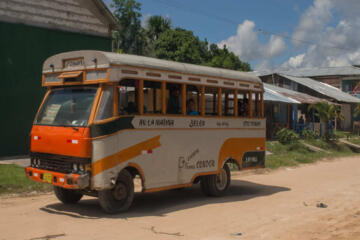
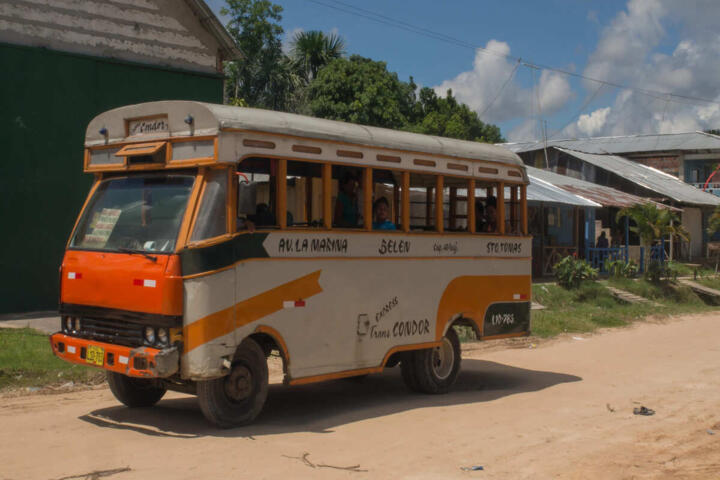
Intercity buses in South America range from modern long-distance coaches to older fleets that run on fixed routes and frequent departures. Your health experience depends less on the ticket price and more on ride duration, ventilation, seat layout, and how often the bus stops for water and restrooms. A typical example: a 10–14 hour overnight trip between major cities often includes limited bathroom access, cooler cabin temperatures, and long periods without movement. If you plan around those constraints, you reduce the chance of dehydration, stiffness, and stomach upset.
Most bus-related health issues fall into a few categories: dehydration from dry air and limited drinking opportunities, motion discomfort from curving roads, skin irritation from shared surfaces, and gastrointestinal symptoms from food and water choices during travel. Infection risk exists in any shared-transport setting, but it changes with crowding, ventilation, and how long you stay in close proximity to others. The practical goal is to manage exposure and symptoms without turning the trip into a medical project.
Common Mistakes And Risks
Travelers often underestimate how bus design affects circulation. Tight seat spacing and limited legroom can worsen swelling in feet and ankles, especially on overnight routes. People also misjudge hydration because they avoid drinking when they expect frequent bathroom stops; that tradeoff can backfire when the ride runs longer than the schedule.
Another frequent issue is assuming that “overnight” means “comfortable.” Some routes use sleeper-style seats, while others use standard seats that recline only slightly. Cabin temperature varies by operator and season; a cold bus plus dry air can trigger sore throat or worsen nasal congestion. Motion discomfort also gets ignored until it starts, and then it becomes harder to treat because you cannot easily change seats or step away.
Food and water choices are a major dependency. If you rely on roadside snacks right before boarding, you may increase the chance of stomach upset during the first hours, when motion is strongest. If you bring water, you still need to consider how you will store it and whether the bus stops long enough for you to refill. On some routes, the bus may stop briefly at stations where access to clean restrooms is inconsistent, and that changes how you plan your fluids.
Finally, delays and route changes matter. A late departure can shift your meal timing and sleep schedule, and a detour can extend time on winding roads. When that happens, the health plan you made for a specific duration becomes less accurate, which is why you should build in buffers rather than schedule every hour.
Plan For Comfort And Safety
Choose The Right Bus Type
Before booking, compare route length, departure time, and the operator’s seat category. For long rides, look for descriptions that match your needs: full reclining seats, sleeper berths, or at least a wider seat pitch. If the listing does not specify, check recent passenger reviews for details like legroom and whether the cabin stays ventilated. A small aside: on one major booking app, version 3.2.1 of the Android interface (checked in 2025) sometimes shows seat-type labels that differ from the operator’s own wording, so cross-check the route page and the photo captions.
If you have a history of motion sickness, pick daytime departures when possible, since you can manage symptoms with breaks and visibility. For overnight trips, plan for ear pressure and dry air by packing a light layer and a small nasal saline spray. Avoid heavy meals right before boarding; many travelers do better with a light snack and water, then eat after the first stop.
Pack For Hydration And Skin
Bring water in a sealed bottle and a second option you can access after the first stop. If you expect limited bathroom access, drink earlier rather than waiting until you feel thirsty; thirst often arrives after dehydration starts. For dry air, a simple approach works: lip balm, a small hand sanitizer, and a face wipe or wet wipes for quick refresh. Shared surfaces are common in buses, so wipe down your armrests and tray area when you board, then avoid touching your face until you can wash hands.
For comfort, pack compression socks if you tend to swell on long rides. Evidence for reducing leg swelling during prolonged sitting exists in general travel medicine, though results vary by person and severity. If you use them, put them on before the bus leaves rather than after you feel symptoms. A mild frustration many travelers report: the socks feel too warm in a heated cabin, so choose a thickness that matches the season.
Manage Motion And Sleep
Motion discomfort is often worse during the first hour and on winding segments. If you use medication for motion sickness, follow the label instructions and test it on a short trip before a long one when possible. Keep a small bag for nausea supplies and consider ginger candies or acupressure bands if they work for you; these are low-risk options for many people, though they do not work for everyone.
For sleep, use an eye mask and earplugs because station announcements and engine noise can fragment rest. If you are sensitive to cold, a thin scarf can double as a neck cover. A practical detail: some buses have overhead vents that blow directly at passengers; if you notice that, shift your seat slightly or angle your layer to reduce direct airflow.
Handle Food, Water, And Stops
Plan meals around likely stops rather than around the departure time alone. If the route is long, expect at least one or two scheduled breaks, but treat them as estimates. Choose foods that travel well without strong odors, and avoid high-risk items when refrigeration is uncertain. For water, sealed bottled water is usually the safest choice for travelers who are not accustomed to local tap water; if you refill, use a reliable source such as a station where water is clearly treated.
When you stop, prioritize restroom access and hand hygiene before eating. If restrooms are crowded or poorly stocked, delay snacks until you can wash hands. This approach reduces gastrointestinal risk without requiring medical interventions.
Educational Case Examples
Scenario 1 (overnight, standard seats): A traveler books a 12-hour overnight bus with recline seats but no sleeper berth. They bring two bottles of sealed water, a light meal before boarding, and compression socks. During the ride, they drink small amounts every 1–2 hours and do a brief leg stretch during each stop. They still wake with mild stiffness, but they avoid the ankle swelling they experienced on a previous trip when they drank only after feeling thirsty.
Scenario 2 (daytime, motion sensitivity): A traveler with motion discomfort chooses a daytime departure and sits closer to the front half of the bus when seat maps allow. They pack nausea supplies and use a medication plan based on the product label. They eat a small snack after the first stop rather than right before boarding. The traveler reports fewer symptoms because the worst motion period passes while they can manage with breaks and visibility.
Checklist For Booking And Boarding
| Decision Point | What To Check | Why It Matters For Health | Practical Action |
|---|---|---|---|
| Seat category | Recline angle, legroom, sleeper vs standard | Affects circulation and comfort | Choose the most reclined option you can afford; avoid last-row seats if they feel cramped |
| Trip length | Hours and overnight vs daytime | Shapes hydration and sleep planning | Plan drinking earlier; pack layers for temperature swings |
| Stops and restrooms | Number of breaks, typical station type | Determines safe eating and fluid timing | Bring wipes and sanitizer; eat after stops when hands are clean |
| Ventilation and crowding | Cabin airflow, occupancy level | Affects respiratory irritation and infection exposure | Choose less crowded departures when possible; consider a well-fitting mask if you are high-risk |
| Delay risk | Operator reliability, buffer time | Changes meal timing and symptom control | Carry snacks and water; avoid tight connections |
Common Mistakes To Avoid
Booking without checking seat type is the most common planning error. A “long-distance” label does not guarantee sleeper berths, and the difference affects both sleep and circulation. Another mistake is relying on a single bottle of water and then skipping drinking when the first stop is delayed.
Travelers also overpack for comfort in ways that reduce practicality. A bulky blanket can block airflow or make it harder to move during stops. Instead, choose compact items that you can use in small windows between station stops.
Some people assume that hand sanitizer replaces handwashing after restroom use. Sanitizer helps, but it does not remove all contamination, and it can be less effective when hands are visibly dirty. If restrooms are available, wash hands when you can.
Finally, people sometimes ignore medication timing. If you use motion sickness medication, follow the label schedule and avoid doubling doses. If you have chronic conditions, keep your regular medications in your carry-on rather than in checked luggage, since bus compartments can be inaccessible during stops.
FAQ
How can I reduce dehydration on long bus rides?
Drink small amounts regularly rather than waiting for thirst, and bring sealed water plus a backup bottle. Plan to drink before the first long segment ends, since bathroom access can be limited on overnight routes.
What seat choice helps with leg swelling?
Choose the most legroom you can and avoid positions that force your knees sharply bent for hours. Compression socks can help some travelers, but they work best when worn before symptoms start.
Are buses in South America safe for people with motion sickness?
Many routes are winding, so motion discomfort is common. Pick daytime departures when possible, sit toward the front half if seat maps allow, and use a medication plan based on the product label.
How should I handle food and water during stops?
Use sealed bottled water when you are not accustomed to local tap water, and eat after you can wash or sanitize hands. Avoid high-risk foods that sit unrefrigerated for long periods at stations.
What should I pack for restroom and hygiene realities?
Bring wet wipes, hand sanitizer, and a small trash bag for used items. If restrooms are inconsistent, plan snacks around times when you can clean hands before eating.
Author's Insight
Bus travel health planning is mostly about matching your body’s needs to the ride’s constraints: time seated, access to water and restrooms, cabin temperature, and crowding. Evidence from travel medicine supports practical steps like hydration pacing, movement breaks, and hand hygiene, though the exact benefit varies by person and route conditions. I also treat seat selection and stop timing as health variables, not just comfort details, because they change how often you can drink, stretch, and manage symptoms. If you have a medical condition, review your medication schedule and carry-on supplies before travel, since delays can shift meal and sleep timing.
Key Takeaways
- Health outcomes on buses depend on seat layout, ride duration, ventilation, and stop frequency.
- Plan hydration and bathroom timing together; avoid the “drink only when thirsty” pattern.
- Pack compact hygiene items and a layer for temperature swings.
- For motion discomfort, use a label-based medication plan and choose a seat and departure time that reduce the worst motion period.
- Build buffer time for delays so your meal and symptom plan still fits when schedules slip.