Amtrak Sleeper Basics
Amtrak sleeper service is designed for overnight trips where you trade seat time for a private sleeping space. The two most common sleeper categories you’ll see are roomettes and bedrooms, each with different space, privacy, and bed setup. Your fare usually includes the sleeping accommodation, but meals and some onboard services may be separate depending on the route and train. Planning starts with reading the fare rules for your specific itinerary, because “sleeper” does not automatically mean “all meals included.”
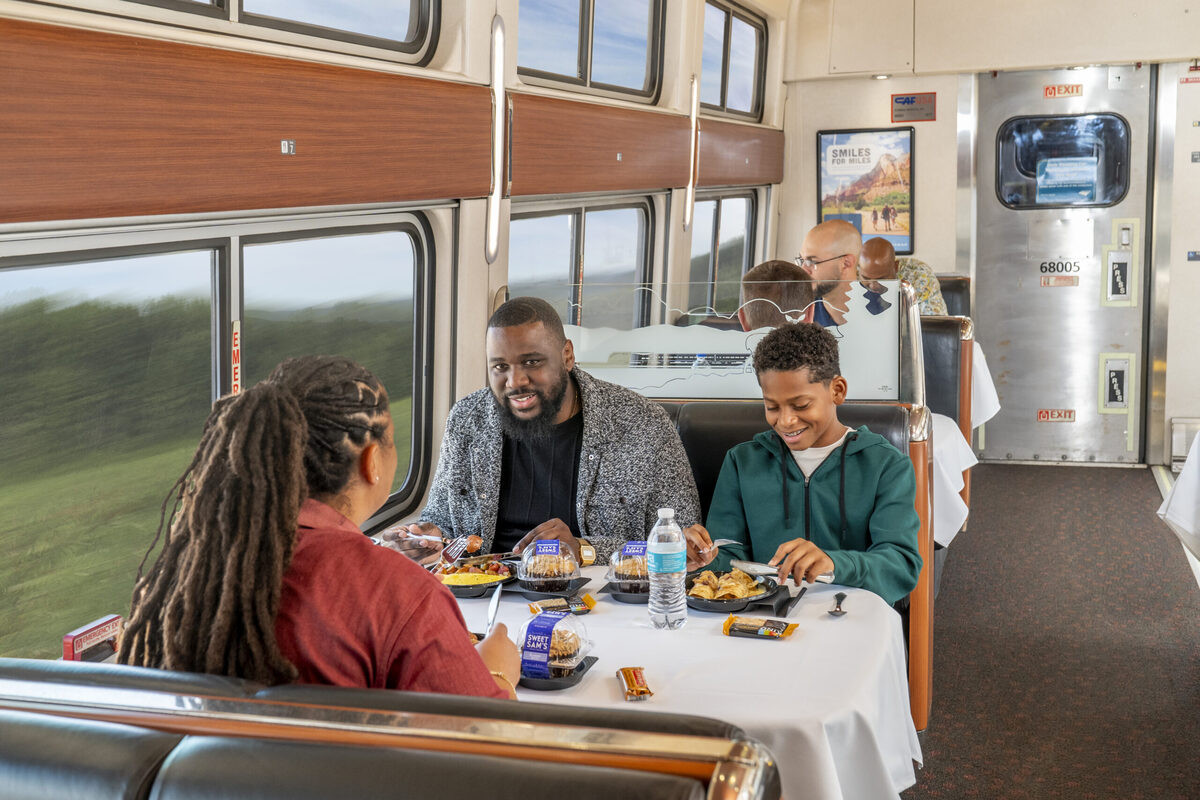
On many routes, sleeper cars connect to a dining car or a café-style service, and the train’s schedule determines when meals are offered. If you travel on a route with a dining car, you typically order meals à la carte or from a menu, while some services may be bundled for certain ticket types. The practical takeaway: treat meals as a budget line item unless your ticket explicitly states otherwise.
Berth setup is also itinerary-dependent. Some sleeper configurations convert from seating to a bed at night, while others have a fixed bed layout. If you’re sensitive to noise, consider that sleeper cars can still have door sounds, corridor traffic, and announcements, especially during station stops. I’ve seen travelers assume the sleeper car is silent; it’s quieter than coach, but it’s not a hotel room.
Common Fare And Inclusion Mistakes
People often assume that paying for a sleeper automatically covers every meal. That assumption fails when the dining service is limited, when your ticket type excludes dining, or when the route uses a different onboard food setup. Another frequent misunderstanding is mixing up “sleeper” with “dining car access.” Sleeper passengers may have priority seating or access, but menus and pricing still follow the onboard service model.
Fare structure also trips travelers up. Amtrak pricing generally follows dynamic pricing principles, where the same route can cost different amounts on different dates. Discounts, promotions, and eligibility-based fares can change the final total, and the fare rules can affect changes, refunds, and upgrades. If you book early, you might see lower fares, but the system can also raise prices as inventory sells.
Supporting technologies matter because they shape what you can see and what you can’t. The Amtrak reservation system calculates availability by train, date, and sleeper inventory class, then applies fare rules tied to your ticket type. When you search, the site may show “from” prices that reflect the lowest available fare at that moment, not the price you’ll get after selecting a specific berth. That’s why the final price can change after you choose your exact roomette or bedroom.
Finally, travelers sometimes overlook that sleeper cars can be assigned differently by train consist. Even when two itineraries share the same route name, the equipment assignment can vary by day. That variation affects the exact layout you experience, including bed orientation and storage space. The safest approach is to confirm the accommodation details shown for your specific trip date.
Meals, Berths, And What To Budget
Check What Your Ticket Includes
Start by reading the “fare details” and “what’s included” text for your exact itinerary. Look for explicit language about dining, meal credits, or dining car access. If the listing doesn’t state meal inclusion, treat meals as separate purchases. Onboard menus and pricing can change, and the train’s schedule can shift meal service times.
For a practical budget, plan at least one paid meal per overnight segment. Many travelers also buy snacks or beverages between meal windows, especially if the dining service timing doesn’t match their routine. If you have dietary needs, confirm options in advance; onboard kitchens may not stock every ingredient, and substitutions can be limited.
As a small aside, I often see people skip the “fare rules” section because it looks dense. On a test search I ran in late September 2026, the fare rule text changed based on ticket type, and the dining language was not identical across options. That pattern is common enough that you should verify each booking.
Choose Roomette Vs Bedroom
Roomettes typically offer a compact private space with a bed that converts from seating or a fold-down arrangement. Bedrooms usually provide more floor space, more storage, and a more hotel-like layout. If you’re traveling with luggage, the bedroom’s storage can reduce the daily friction of stowing and retrieving items.
Think about how you’ll use the space during the day. If you plan to read, work, or eat in your room, the extra room in a bedroom can matter. If you mainly sleep and want privacy, a roomette can fit the goal with less cost. Both options still involve shared car movement and station stops, so “private” does not mean “soundproof.”
Some travelers prefer lower-noise locations within the sleeper car, but the exact quietness depends on train configuration. If you’re booking close to the window, check whether the berth placement affects light from station platforms. A small detail like that can change how easily you fall asleep.
Understand Berth Assignment And Timing
Amtrak may assign specific berths based on availability at booking time, and it can also adjust assignments closer to departure. Your confirmation details usually show the accommodation type and sometimes the specific room number. If you care about a particular orientation, confirm the assignment before you finalize payment.
At night, the bed setup process can take a few minutes. If you’re traveling with someone who prefers a different bedtime, coordinate so the conversion doesn’t interrupt the other person’s routine. In my experience reading traveler forums, the most common friction is not the bed itself but the timing of when the room is converted and how quickly the space becomes usable.
Also check the train’s schedule for meal windows. If your itinerary arrives late or departs early, you may miss a dining window and end up relying on café service or station food. That’s not a failure of the system; it’s a schedule effect.
Plan For Changes, Refunds, And Upgrades
Fare rules can restrict changes and refunds, especially for lower-priced tickets. Before booking, compare the flexibility of the fare types you’re considering. If you might change dates, choose a ticket with rules that match your risk tolerance.
Upgrades to higher sleeper categories depend on availability and timing. Some upgrades happen automatically when you book a higher category, while others require a request and depend on inventory. If you’re traveling with a tight budget, watch the fare difference between roomette and bedroom for your date range; the gap can narrow or widen.
For a realistic outcome, assume that last-minute upgrades are not guaranteed. If you need a specific berth type for accessibility or comfort reasons, plan to book the correct category from the start rather than relying on an upgrade later.
Educational Case Examples
Scenario 1: A couple books a roomette for an overnight trip and expects breakfast to be included. The fare confirmation shows sleeper accommodation but no meal credit language. They budget for dinner and breakfast, then use the dining car for dinner and a lighter breakfast option when service begins. Their total cost ends up higher than the roomette fare alone, but the surprise is avoided because they verified the fare details before departure.
Scenario 2: A solo traveler chooses a bedroom because they want more storage for a large carry-on. The booking page lists the bedroom category, but the traveler later notices that the exact room number can change. They contact Amtrak support to confirm the accommodation details for their date. On boarding, the bedroom layout matches the category expectations, and the traveler reports less daily clutter because storage space is sufficient for their routine.
Fare And Inclusion Checklist
| Decision Point | What To Look For | Why It Changes Your Cost | Action Before Booking |
|---|---|---|---|
| Meal Inclusion | Explicit dining or meal credit language | Dining car meals may be à la carte | Verify fare details for your exact itinerary |
| Berth Type | Roomette vs bedroom category | Space and storage affect comfort | Choose based on your routine, not assumptions |
| Fare Rules | Change/refund restrictions | Lower fares can be less flexible | Compare ticket types before paying |
| Schedule Fit | Departure/arrival times vs meal windows | You may miss dining service | Plan snacks or station meals for gaps |
Step-by-step checklist: (1) Open your itinerary and read the fare rules section. (2) Confirm whether dining is included or listed as separate. (3) Choose roomette or bedroom based on storage and daily use. (4) Check the schedule for meal windows and plan snacks for gaps. (5) Save your confirmation details and any berth assignment notes.
Common Mistakes To Avoid
One mistake is budgeting only for the sleeper fare and ignoring meal costs. If your ticket does not state meal inclusion, you can end up paying for dinner and breakfast separately. Another mistake is assuming that “private room” means “no shared spaces.” Sleeper cars still involve shared corridors, and the dining car is a separate environment.
Travelers also misread berth descriptions. A roomette and a bedroom can both be private, but the bed setup time and storage space differ. If you pack heavy items, the bedroom category often reduces the need to rearrange your bag during the night.
Some people wait until the last minute to confirm accessibility needs. If you require specific accommodations, contact Amtrak support early and document the request. A mild frustration I’ve heard from travelers is that generic requests get answered with generic guidance, so you’ll want to specify what you need and for which segment.
Finally, avoid relying on screenshots from older bookings. Fare rules and inclusion language can change between dates, and the system may show different details depending on ticket type. Use the current confirmation for your trip date rather than a past itinerary.
FAQ
Are Meals Included With A Sleeper?
Meals are not automatically included with every sleeper ticket. Your itinerary’s fare details state whether dining is included, credited, or purchased separately.
What’s The Difference Between Roomette And Bedroom?
A roomette is typically more compact, while a bedroom offers more space and storage. Both provide private sleeping accommodations, but the daily comfort and packing capacity differ.
How Are Berths Assigned?
Berth assignment depends on availability and the booking you select. Your confirmation may show the accommodation details, and assignments can change closer to departure.
Can I Change Or Get A Refund?
Change and refund options depend on the fare rules tied to your ticket type. Lower-priced fares often have stricter restrictions than flexible fares.
What If The Dining Car Isn’t Available?
Dining service can vary by route and schedule. If dining is limited, you may rely on café-style options, snacks, or food purchased at stations.
Author's Insight
Sleeper travel planning works best when you treat the sleeper fare as a lodging cost and then verify dining separately. The most reliable information comes from the fare rules and inclusion text attached to your exact itinerary date, not from general descriptions. Berth comfort depends on layout and bed setup, so choosing roomette versus bedroom should match how you use the space during the trip. If you have dietary needs or accessibility requirements, request details early and keep a record of what you were told. For reference, I’ve seen fare-rule text vary by ticket type in Amtrak’s booking flow, including small wording changes that affect meal inclusion and flexibility.
Key Takeaways
- Confirm meal inclusion in your fare details; sleeper tickets do not always cover dining.
- Choose roomette or bedroom based on storage, bed setup, and how you plan to use the space.
- Dynamic pricing and fare rules can change your total cost and your ability to modify plans.
- Check the schedule for meal windows and plan snacks for gaps.
- Verify berth assignment details for your specific trip date, especially if you have accessibility needs.