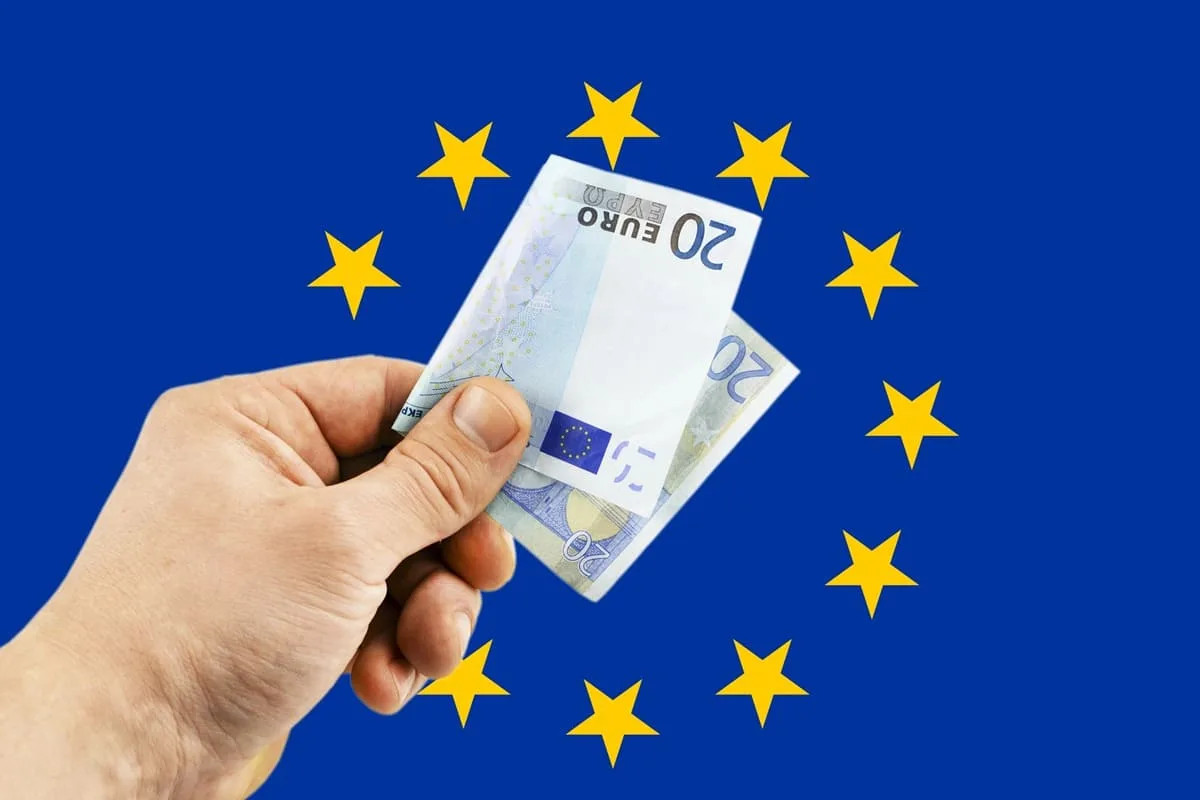
€20 ETIAS: Who Needs It
ETIAS (European Travel Information and Authorisation System) is an entry authorization for travelers who do not need a visa for short stays in the Schengen Area. The fee is commonly described as €20, but the amount you pay depends on eligibility rules, age, and exemptions. If you are traveling for tourism, business meetings, or short family visits, ETIAS can apply even when you already hold a valid passport and a return ticket.
ETIAS does not replace passport checks, and it does not replace visas for travelers who require them. It also does not grant entry by itself; border authorities still decide whether you meet entry conditions. In practice, the authorization is tied to your passport details and travel dates, so mismatches between your application and your actual travel documents can cause problems.
ETIAS is designed for short stays across multiple Schengen countries, typically up to 90 days in any 180-day period. The authorization is intended to be valid for multiple trips during its validity window, so the fee is usually paid once per authorization rather than once per border crossing. The exact validity period and the operational rollout details can change, so travelers should check the official ETIAS website close to departure.
Main Problems And Pain Points
Many travelers assume ETIAS works like a visa sticker or a border stamp. It does not. ETIAS is an online authorization process, and the outcome is an approval decision tied to your application data.
Another common misunderstanding involves who pays the fee. People often treat the €20 figure as universal, then get surprised when exemptions apply. Age-based exemptions are one reason, and some categories of travelers may be exempt depending on the final legal framework and implementation rules.
Some travelers also confuse ETIAS with travel insurance or with airline check-in requirements. Airlines may ask for proof of authorization before boarding, but the airline’s checklist is not the same thing as the legal entry conditions. If your ETIAS status is pending or refused, you can still face boarding denial even if you have a return ticket.
ETIAS decisions rely on automated checks against multiple data sources, then a human review can happen when needed. That means a small data issue—like a name spelling mismatch or an incorrect passport number—can trigger extra review. The system also depends on accurate identity data and consistent travel document information, which is where many applications go wrong.
Finally, travelers sometimes apply too early and then travel with a different passport. If you renew your passport after applying, you may need to submit a new application because the authorization is linked to the passport used in the application. I’ve seen people handle this by assuming “the old authorization still works,” and it rarely works that way.
Solutions And Advice
Check Eligibility Before Paying
Start by confirming whether you are visa-exempt for short stays in the Schengen Area. ETIAS targets travelers who do not need a visa for that purpose, so visa-required travelers follow a different process. Then check ETIAS fee rules for your age and any exemption categories listed by the official ETIAS guidance.
Practical step: open the official ETIAS application page and read the fee section before entering payment details. If the form shows an exemption path, follow it rather than paying and hoping a refund happens later. Refund handling can be limited, and the administrative process can be slower than people expect.
As a minor aside, I often recommend travelers save a screenshot or PDF of the fee and exemption screen they saw on the day they applied. That record can help if support questions come up later.
Use Accurate Passport Data
ETIAS applications depend on passport identity fields. Enter your passport number, issuing country, and personal names exactly as printed in the passport machine-readable zone. If your passport has diacritics or special characters, use the form’s accepted format rather than guessing.
Practical step: compare the application fields against the passport bio-data page and the MRZ line. If you recently changed your name, check whether the passport reflects the current legal name and whether any prior names are relevant in the application.
Realistic outcome: most applications that are accurate and complete receive an answer quickly, but delays can happen when the system needs additional checks. If you apply close to departure, you reduce your buffer for those delays.
Plan Timing With Buffer Days
ETIAS is designed for pre-travel authorization, so you should not treat it as something you can handle at the airport. Apply with enough time to resolve issues if the application is pending or requires additional information.
Practical step: set a personal rule such as applying at least several days before travel, then add extra buffer if you have a complex travel history or recent passport changes. Many travelers underestimate how long support channels can take when they need document corrections.
As of 2026, some online forms show version numbers or updated guidance text during submission; if you see a “last updated” date on the page (for example, a page footer showing 2026-xx), treat it as a sign to re-check requirements before paying.
Keep Proof For Check-In
After you receive an authorization decision, keep the confirmation details accessible on your phone and in email. Airlines often run their own checks, and border authorities can ask for evidence of authorization status.
Practical step: store the confirmation number and the passport details used in the application. If you travel with a different passport than the one used in the application, you risk denial of boarding or entry.
Realistic outcome: even with authorization, you still need to meet standard entry conditions such as having a valid passport, meeting stay limits, and carrying documents that support the purpose of travel. ETIAS does not replace those checks.
Case Examples
Scenario 1: Student traveling for a short visit. A 19-year-old from a visa-exempt country plans a 10-day trip to Germany for tourism. They apply using the passport they will travel with and pay the ETIAS fee shown on the form. The authorization is linked to that passport, and they keep the confirmation email for airline check-in.
Scenario 2: Passport renewal after application. A 35-year-old applies for ETIAS using passport A. Two weeks later, they renew and travel with passport B because the old passport expires soon. At check-in, the airline requests authorization linked to passport B, and the traveler discovers the authorization does not automatically transfer. They must apply again using the new passport details, which delays the trip planning.
ETIAS Fee Checklist
| Decision Point | What To Verify | Common Mistake | What To Do Instead |
|---|---|---|---|
| Fee applies | Your age and any exemption category shown in the official ETIAS fee section | Assuming €20 applies to everyone | Follow the exemption path on the application form before payment |
| Passport match | Passport number and issuing country match exactly | Renewing the passport after applying | Apply with the passport you will use for travel |
| Timing | Enough buffer before departure for pending reviews | Applying at the last minute | Apply several days before travel and keep a correction plan |
| Check-in readiness | Confirmation details accessible during airline check-in | Relying on memory or a missing email | Save confirmation number and decision status |
Common Mistakes
Paying the €20 fee without checking whether the application form offers an exemption route is a frequent error. If you qualify for an exemption, the form usually reflects it, and paying anyway can create avoidable administrative work.
Another mistake involves entering names in a different order than the passport. Some forms accept only certain characters, and people try to “fix” the issue by guessing spellings. Use the passport spelling and the form’s allowed character set.
Travelers also underestimate how often they change travel documents. A passport renewal, a damaged passport replacement, or a last-minute correction can break the link between the authorization and the passport used at check-in.
Some people rely on third-party summaries that do not match the current official guidance. If a site claims a specific fee rule, cross-check it against the official ETIAS application page and the latest published legal or procedural notes.
Finally, travelers sometimes ignore the difference between “authorization status” and “entry permission.” An authorization can still be refused or not accepted if border conditions are not met. That gap is where plans fail, even when the application was submitted correctly.
FAQ
Do All Visa-Exempt Travelers Pay €20?
No. The fee depends on ETIAS fee rules, including age and any exemption categories shown in the official application guidance.
Does ETIAS Replace Travel Insurance?
No. ETIAS is an entry authorization process. You still need to meet any health and insurance expectations tied to your travel plan and the Schengen entry conditions.
What Happens If I Renew My Passport?
If you travel with a different passport than the one used in your ETIAS application, the authorization may not match. You may need to apply again using the new passport details.
How Long Before Travel Should I Apply?
Apply with enough buffer for a pending review or correction. Avoid last-minute submission, since airline check-in and border processing can leave little time for fixes.
Can I Use One ETIAS for Multiple Trips?
ETIAS is intended to cover multiple short trips within its validity period, but it remains linked to the passport used in the application and the stay limits for the Schengen Area.
Author's Insight
ETIAS fee questions often come down to how the authorization is linked to identity data and how exemptions apply. The system’s design relies on accurate passport fields, and that linkage explains why passport changes can trigger re-application.
Because fee rules and operational details can shift during rollout, the most reliable approach is to read the fee and exemption section on the official ETIAS application page right before submitting. I also recommend keeping a record of the exact screen you saw during payment, since guidance updates can appear between travel planning and submission.
When travelers treat ETIAS like a visa sticker, they miss the practical steps: apply online, match passport data, keep confirmation details, and plan for a buffer in case the application needs extra checks.
Key Takeaways
- ETIAS applies to visa-exempt short stays in the Schengen Area, but the €20 fee does not apply to every traveler.
- Fee payment depends on eligibility and exemptions shown in the official application flow.
- ETIAS is linked to the passport used in the application; passport renewal can require a new application.
- Apply early enough to handle pending reviews and keep confirmation details for airline check-in.