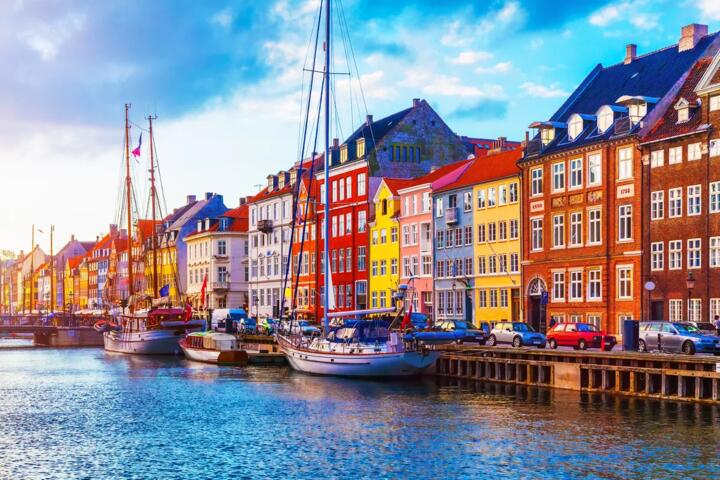
Northern Vs Southern Costs
Northern Europe tends to cost more than Southern Europe because the underlying cost base is higher and because many trips concentrate demand during peak seasons. In practice, you see it in hotel rates, restaurant pricing, and the price of moving between cities. Even when two destinations have similar “headline” attractions, the supporting costs behind them differ.
Energy prices, wage levels, and the cost of maintaining transport infrastructure play a direct role. Cold-weather operations raise heating demand for buildings and increase maintenance for roads, rail, and ports. When those costs feed into local businesses, they show up as higher prices for rooms, guided tours, and even everyday services like laundry and cleaning.
Demand patterns also matter. Northern cities often attract visitors for shorter summer windows and for specific events, which can tighten availability. Southern destinations can spread demand across longer shoulder seasons, though that pattern varies by country and coast. If you book late, the price gap can widen quickly because fewer rooms remain at acceptable rates.
Exchange rates can amplify the difference. A traveler paying in euros may see higher effective costs if their home currency weakens against the euro or the pound. This effect is separate from local pricing, but it changes what you actually pay at checkout.
Main Cost Drivers And Mistakes
People often compare “per day” costs using only the cheapest category they can find, then assume the rest of the trip will match. That fails because Northern Europe pricing is more sensitive to lodging availability and to how many nights you spend in city centers. A budget room in a less central area can be cheaper, but commuting time and transport fares can erase the savings.
Another common mistake is ignoring how meals are priced. In many Northern European cities, restaurants and cafés price labor and rent into the menu, and portion sizes can differ from what travelers expect. If you plan to eat out for every meal, the daily total rises faster than in places where casual meals are cheaper or more common.
Transport costs also get misread. Rail networks in the North can be efficient, but fares depend heavily on booking time and route type. A late booking on a popular corridor can cost several times more than an advance-purchase ticket. In the South, longer-distance buses and regional trains sometimes offer more price dispersion, though that varies by country.
Supporting technologies shape these outcomes. Hotel pricing systems use dynamic rate rules tied to occupancy forecasts, and airlines and rail operators use revenue management models that adjust fares based on remaining seats. When demand spikes, the algorithmic pricing responds, and the traveler sees it as a sudden jump. Version 1.9 of a common fare-comparison browser extension (I’ve seen users mention it in forums) can also change what you notice by filtering results, which makes comparisons feel “fair” when they are not.
Finally, travelers sometimes treat taxes and service charges as optional details. In many European countries, VAT is included in displayed prices, but service charges and tourism-related fees can still appear at checkout. A small nightly fee can matter when your lodging is the largest line item.
How To Budget Smarter
Plan Lodging With Location
Start with where you sleep, not just the star rating. For many Northern cities, staying near a major station can reduce transit costs and time, but it also raises the nightly rate. If you choose a cheaper neighborhood, check the last-mile reality: late-night service frequency, walking safety, and whether you’ll need taxis. A practical target is to compare total cost for the same itinerary: room price plus expected transit fares for each day.
Use filters that match your actual needs. If you need breakfast, confirm whether it is included or charged separately. If you need laundry, check whether the property offers it on-site; in some Northern destinations, self-service laundries are common but not universal. When you compare two hotels, look for cancellation terms that match your flexibility; nonrefundable rates can look cheaper until plans change.
Match Transport To Booking Windows
For rail and long-distance buses, booking early often changes the price more than switching between operators. Check the fare rules: some tickets are tied to a specific train, while others allow changes with a fee. If you plan to move between cities, build a route map first, then price each leg with the same departure time assumptions. A small aside: in 2024, some European rail sites began showing more fare bundles by passenger type, which can confuse comparisons if you don’t select the same category.
For local transit, compare day passes against single rides. In cities with frequent short trips, day passes can reduce uncertainty, but they only help if you ride enough times. If you walk most days, single tickets may be cheaper. Keep a simple count for your planned schedule; it’s faster than guessing.
Control Food Costs Without Missing Quality
Food spending rises when you eat out for every meal. A workable approach is to plan one full-service meal per day and use bakeries, supermarkets, or casual lunch spots for the rest. In many Northern European countries, supermarkets offer ready-to-eat items that are cheaper than restaurants, and they can be a reliable option for breakfast and snacks.
Check whether “service” is included. In some places, restaurants include service in the bill, while others add it or expect tips. If you budget a fixed tip percentage without checking local norms, you can overestimate or underestimate. Also note that water pricing differs; bottled water can add up if you buy it repeatedly.
Pick Activities With Clear Pricing
Many Northern attractions have timed entry, reservation requirements, or higher staffing costs, which can raise ticket prices. Before you book, verify whether the ticket includes audio guides, transport, or special access. If a museum offers free entry days, check the schedule for the exact month you travel; free days often change.
Guided tours can be cost-effective when they replace multiple paid entries, but they can also be overpriced if you only want one highlight. Compare the tour’s route length and group size. If you’re traveling in a group, ask whether the price is per person or per booking; group pricing rules vary.
Case Examples For Realistic Planning
Example 1: Two-week city trip with rail hops. A traveler plans 10 nights in Copenhagen and 4 nights in Stockholm, with one day trip from each city. They budget for hotels in central areas because they want to walk at night, and they book rail tickets 6–10 weeks ahead. Their biggest cost driver is lodging, and their second is transport between cities. When they switch one hotel to a cheaper neighborhood 20 minutes farther by transit, the room rate drops, but the added transit costs and extra time reduce the savings.
Example 2: Coast and countryside mix. Another traveler spends 7 nights in Amsterdam-area lodging and 7 nights in smaller towns in the same region. They choose a mix of paid museums and free walking routes, and they buy breakfast items from supermarkets. Their daily food cost stays stable because they limit full-service meals to evenings. The trip still costs more than a comparable Southern itinerary, but the gap narrows because they avoid last-minute bookings and keep transport legs short.
Comparison Checklist For Decision Support
| Budget Item | Northern Europe Tends To | Southern Europe Tends To | What To Check Before Booking |
|---|---|---|---|
| Lodging | Higher base rates; tighter availability in peak weeks | Often lower base rates; more seasonal spread in some areas | Total nightly price, taxes/fees, cancellation terms, and neighborhood transit access |
| Intercity Transport | Fares vary sharply with advance purchase | More price dispersion via buses and regional options (varies) | Fare rules, station locations, and whether changes are allowed |
| Food | Higher labor and rent show up in menus | Casual meals can be cheaper in many areas | Meal plan assumptions, service/tip norms, and water pricing |
| Activities | Timed entry and staffing costs can raise tickets | Some attractions are cheaper, though major sites can still be pricey | Reservation requirements, included items, and free-entry schedules |
Common Mistakes That Inflate Costs
Booking lodging without checking the final price often creates surprises. Resort fees, city taxes, and cleaning charges can add up, and they can be higher in Northern cities where tourism infrastructure is more regulated. If you compare “€120 per night” across sites, confirm the same room type and the same fee structure.
Another mistake is planning a route that forces frequent transfers. A trip that requires multiple short rail legs can cost more than one longer direct ride, even if the total distance is similar. It also increases the chance of missing connections, which can trigger expensive last-minute tickets.
Travelers also overspend on convenience. Taxis and ride-hailing can be convenient in the North, but they often cost more than transit passes, especially when you travel in the evening. If your plan includes several late nights, price a transit day pass or check whether night buses run on a predictable schedule.
Finally, people underestimate how weather affects spending. Rain and cold can reduce walking time and increase reliance on indoor activities, taxis, and cafés. That doesn’t mean you should avoid Northern Europe; it means you should plan indoor options with known ticket prices.
FAQ
Is Northern Europe Always More Expensive?
Many Northern destinations cost more on average, but the gap depends on city choice, season, and how you travel. A budget-friendly Northern itinerary with advance bookings can narrow the difference versus a last-minute Southern trip.
Do Hotels Cost More Than Food?
Lodging often drives the largest share of the budget in Northern cities, especially when you stay central. Food can still be a major line item if you eat out for every meal, but it usually scales more predictably than room rates.
How Much Do Rail Prices Change With Timing?
Rail fares can vary widely based on advance purchase and train popularity. In many corridors, early tickets can be dramatically cheaper than tickets bought close to departure, so comparing booking dates matters more than comparing brands.
Are Museums And Tours More Expensive?
Some museums and guided tours cost more in Northern Europe due to staffing and operating costs, and many require timed entry. Prices vary by institution, so check whether tickets include access to special exhibits or only the main galleries.
What Budget Strategy Works Best?
Use a “total itinerary” approach: estimate lodging, transport legs, and meal patterns together. Then test two scenarios—one with central lodging and one with cheaper neighborhoods—to see which changes your total cost the least.
Author's Insight
Northern Europe’s higher travel costs usually trace back to higher baseline expenses for labor, energy, and year-round infrastructure maintenance. Those costs flow into lodging, food service, and staffed attractions, and dynamic pricing can amplify the difference during peak weeks. Travelers can reduce the gap by aligning booking timing with fare rules and by treating neighborhood choice as a cost lever, not just a comfort preference. When you compare destinations, compare the same itinerary structure—nights in the same type of area, similar transport legs, and similar meal habits—otherwise the comparison becomes misleading.
Key Takeaways
- Northern Europe often costs more because labor, energy, and infrastructure maintenance costs are higher, and peak demand can tighten availability.
- Most budget surprises come from lodging fees, last-minute transport pricing, and meal patterns that assume restaurant dining for every meal.
- Use an itinerary-based comparison: room price plus transit costs plus realistic food spending for the same schedule.
- Advance purchase and neighborhood selection usually reduce cost more than trying to find the single cheapest attraction ticket.