Choosing A Circuit By Fitness
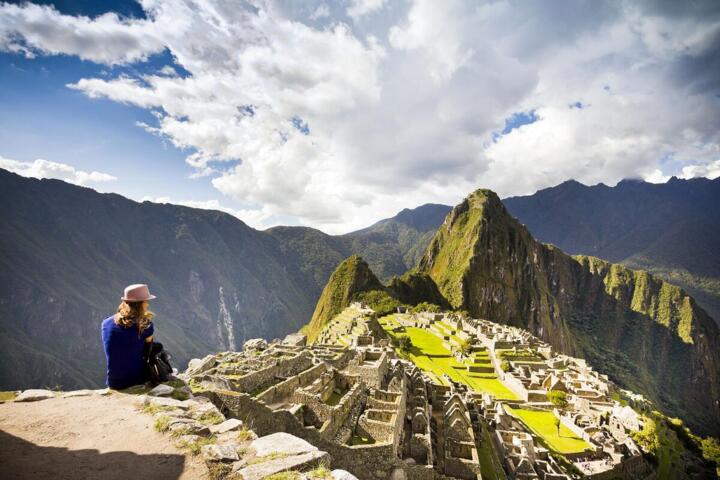
Machu Picchu sits at high elevation in the Andes, so “fitness level” includes more than leg strength. Altitude affects breathing, sleep, and perceived effort, which changes how long you can comfortably walk. Circuit choices also differ in steep climbs, time spent on uneven stone, and the amount of time you have at viewpoints before returning. A practical way to decide is to match your current walking capacity to the itinerary’s total uphill time and to plan a pace that you can hold for the full day.
Many itineraries combine a train ride with a walking route inside the Historic Sanctuary. Some options add an extra hike to viewpoints, while others focus on a shorter loop with more time at the main terraces. If you have limited endurance, a shorter circuit with fewer elevation gains often reduces the chance of arriving exhausted, which matters because the site involves stairs and narrow paths. If you enjoy hiking, a longer circuit can feel rewarding, but it still requires conservative pacing at altitude, especially in the morning when weather can shift quickly.
Before you pick a route, list your recent baseline: how long you can walk on flat ground without stopping, how many flights of stairs you can climb, and whether you have done any hills in the last month. Then compare that baseline to the itinerary’s walking time and steep segments. You can also use a simple rule of thumb: if you need frequent breaks on hills at home, treat the “long hike” option as a stretch goal rather than a default choice.
Common Mistakes And Dependencies
Travelers often misjudge Machu Picchu circuits by focusing only on distance. Two routes with similar total kilometers can feel very different if one includes sustained uphill and the other stays flatter. Another frequent error is assuming that a train ride removes altitude strain; the body still needs time to adjust, and exertion after arrival can trigger breathlessness even for people who feel “fit.”
People also underestimate the role of supporting factors: weather, footwear, and crowd flow. Rain can make stone steps slick, and dry conditions can increase dust and heat. Footwear with worn soles can turn a manageable climb into a balance problem. Crowd timing matters too; if you arrive during peak entry windows, you may spend more time waiting in lines and less time resting between climbs, which changes how you should pace.
Altitude exposure depends on your itinerary schedule. If you travel from lower elevations and start hiking the same day, your risk of acute altitude symptoms rises. If you include a rest or acclimatization day, your breathing and effort tolerance often improve. The dependency is not just “altitude exists,” but how quickly you move from lower elevations to the site and how much exertion you add immediately afterward.
Finally, many travelers ignore symptom thresholds. Breathlessness, headache, nausea, and unusual fatigue can appear at altitude. Pushing through symptoms can worsen outcomes, and the safest plan is to slow down, rest, and seek medical help when symptoms escalate. The circuit you choose should support that plan, not fight it.
Advice For Different Fitness Levels
Low Endurance: Short Loops
If you can walk for 30–45 minutes on uneven ground at home but hills slow you down, choose a shorter circuit that minimizes sustained uphill. Aim for an itinerary that keeps your walking time closer to 1.5–3 hours total on-site, with breaks built into the schedule. Use trekking poles if you have them; they reduce knee load on stairs and can help on wet stone. A practical target is to keep your effort at a “talk test” pace—short sentences are possible without gasping.
Plan for frequent micro-rests: pause every 10–15 minutes for a few breaths, then continue. Bring water and consider electrolytes if you sweat heavily, since altitude and sun can increase dehydration risk. If you feel headache or nausea during the walk, stop and rest rather than trying to “finish strong.”
Moderate Fitness: Balanced Day
If you regularly walk 60–90 minutes and handle moderate hills, a balanced circuit can fit well. Look for an itinerary that includes one main climb segment plus a longer terrace walk, with total on-site walking often around 3–4.5 hours depending on your pace and photo stops. Choose a start time that gives you daylight for slower sections; late starts can compress your buffer if weather turns.
Use pacing that matches altitude. Many people overexert at the beginning because the first steps feel manageable. A better approach is to start slower than you think you need, then gradually increase effort only if symptoms stay mild. On a recent planning checklist I used for a group trip dated 2026-03, the most consistent improvement came from adding a 5-minute rest after the first uphill segment, not from changing the route.
Higher Fitness: Viewpoint Adds
If you hike regularly and can sustain uphill for 60–90 minutes, you may handle circuits that add viewpoint trails. These options often extend total on-site walking to 4.5–6 hours and include steeper sections. Still, altitude changes the effort curve; a trail that feels “easy” at sea level can become demanding at elevation. Plan extra time for slower breathing and consider a route that lets you turn back if symptoms appear.
For higher fitness travelers, the risk is not only physical fatigue but also decision fatigue—pushing to reach every viewpoint because you “came this far.” A conservative plan is to pick one primary viewpoint and treat others as optional. If you use a smartwatch, check trends like heart rate and pace rather than chasing a specific number; on my own Garmin Forerunner 265 (firmware 27.00, noted in 2025), the heart-rate response at altitude can lag behind how hard you feel, which can mislead pacing.
Weather And Safety Planning
Weather affects traction and visibility, which changes how hard the same circuit feels. If rain is forecast, prioritize circuits with fewer exposed steps and plan for slower movement. Pack layers for temperature swings; mornings can be cool and afternoons warm, and wind near ridgelines can increase perceived cold. Keep a small buffer for delays because entry times and crowd flow can shift.
Altitude safety planning should include a symptom plan. If you develop moderate symptoms such as worsening headache, persistent nausea, or trouble walking straight, stop exertion and seek medical help. If symptoms become severe, descent and urgent care are the standard response. Your circuit selection should support early stopping without requiring you to “power through” to reach a specific checkpoint.
Case Examples For Realistic Planning
Scenario A (Low endurance): A traveler who can walk 40 minutes on flat ground chooses a shorter terrace-focused circuit with limited uphill. They schedule the visit after a rest day and plan for 8–10 short pauses. During the walk, they notice mild breathlessness but no nausea. They skip an optional viewpoint spur and spend extra time on the main terraces, arriving less fatigued and able to navigate stairs safely.
Scenario B (Moderate fitness): A traveler who completes 75 minutes of mixed walking weekly selects a balanced circuit that includes one longer climb and a longer loop. They start at a slower pace than usual, drink water regularly, and keep their effort at a talk-test level. When crowds slow the route, they treat waiting time as rest rather than rushing forward. The result is steady progress and fewer symptom spikes, even though the day feels longer than the itinerary’s headline duration.
Circuit Checklist And Comparison
| Fitness Level | Typical On-Site Walking | Route Features To Favor | Pacing Targets |
|---|---|---|---|
| Low endurance | ~1.5–3 hours | Short loops, fewer sustained climbs | Talk-test pace; pause every 10–15 min |
| Moderate fitness | ~3–4.5 hours | One main climb plus terrace walking | Start slower; rest after first uphill |
| Higher fitness | ~4.5–6 hours | Viewpoint adds with steeper segments | Choose one primary viewpoint; turn back if symptoms rise |
Step-by-step checklist for choosing a circuit:
- Write down your current hill tolerance: how long you can climb at home before needing a long break.
- Match that to the itinerary’s uphill time, not just total distance.
- Plan an acclimatization buffer if your travel includes a rapid elevation gain.
- Choose footwear with good tread and test it on stairs before departure.
- Decide in advance which viewpoint or segment is optional, so you do not feel forced to push.
- Set a symptom rule: if headache or nausea worsens, stop exertion and seek help.
Common Mistakes To Avoid
One mistake is selecting a circuit based on “I’m active” without checking how you handle hills. Flat-ground fitness does not predict uphill tolerance at altitude. Another common error is skipping rest days after arriving from lower elevations; the body needs time to adjust, and exertion can outpace adaptation.
Many travelers also pack for comfort rather than traction. Smooth-soled shoes can slip on stone steps, and loose laces can catch on uneven surfaces. A mild frustration I hear from hikers is that they bring the right shoes but forget to break them in; blister risk rises when you add long stair segments.
Some itineraries look short on paper but include long waiting periods due to entry timing and crowd flow. If you plan a tight schedule, you may feel rushed and skip breaks, which increases fatigue. Another mistake is treating the day as a single continuous effort; short rests between segments often reduce symptom spikes.
Finally, travelers sometimes ignore medication and health constraints. If you have a medical condition that affects breathing, circulation, or balance, discuss travel plans with a qualified clinician before departure. Altitude can change how symptoms present, and a clinician can help you interpret your risk profile.
FAQ
How do I match a circuit to my endurance?
Compare your recent hill-walking time to the itinerary’s uphill segments and total on-site walking. Choose a route where you can maintain a talk-test pace and still take short breaks without feeling behind schedule.
What symptoms mean I should stop and rest?
At altitude, stop exertion if headache worsens, nausea appears or intensifies, dizziness increases, or walking feels unsteady. Rest and seek on-site medical help if symptoms do not improve quickly.
Is a longer circuit always harder?
Not always. A route with fewer kilometers can still feel harder if it includes sustained steep climbs or slippery steps. Evaluate uphill time, step frequency, and weather exposure.
How much does weather change the difficulty?
Rain and mist reduce traction and visibility, which slows movement and increases slip risk. In wet conditions, plan for slower pacing and consider circuits with fewer exposed stair sections.
Should I plan an acclimatization day?
If your itinerary includes a rapid elevation gain from lower altitudes, an acclimatization day can reduce the chance of altitude symptoms during exertion. If your schedule is tight, choose a shorter circuit and keep exertion conservative.
Author's Insight
Circuit selection at Machu Picchu works best when it treats altitude as part of fitness, not a separate issue. Walking time, uphill duration, and your ability to pause without rushing predict comfort more reliably than headline distance. Weather and crowd flow change perceived effort by altering traction and rest opportunities, so route choice should include a plan for slower movement. If you have medical conditions that affect breathing or balance, a clinician’s guidance before travel can help you interpret altitude risk and set safe stopping rules.
Key Takeaways
- Match circuits to uphill tolerance and total on-site walking time, not just distance.
- Altitude changes effort; start slower than you expect and plan frequent short rests.
- Rain and crowds increase difficulty through traction loss and reduced recovery time.
- Choose an optional segment in advance so you can stop early without pressure.
- Use a symptom rule: worsening headache, nausea, or unsteady walking means stop and seek help.