Private Wine Estates
Private wine estate experiences focus on a smaller group, a planned route through vineyards and production areas, and tastings guided by staff. In Argentina and Chile, the “private” part often means you get a dedicated host and a set itinerary, while the estate still follows safety rules for cellar access and alcohol service. A typical format is a morning drive to the vineyard, a walk through rows and irrigation or trellis systems, a cellar tour with limited photography, then a seated tasting paired with bread, olive oil, or regional snacks.
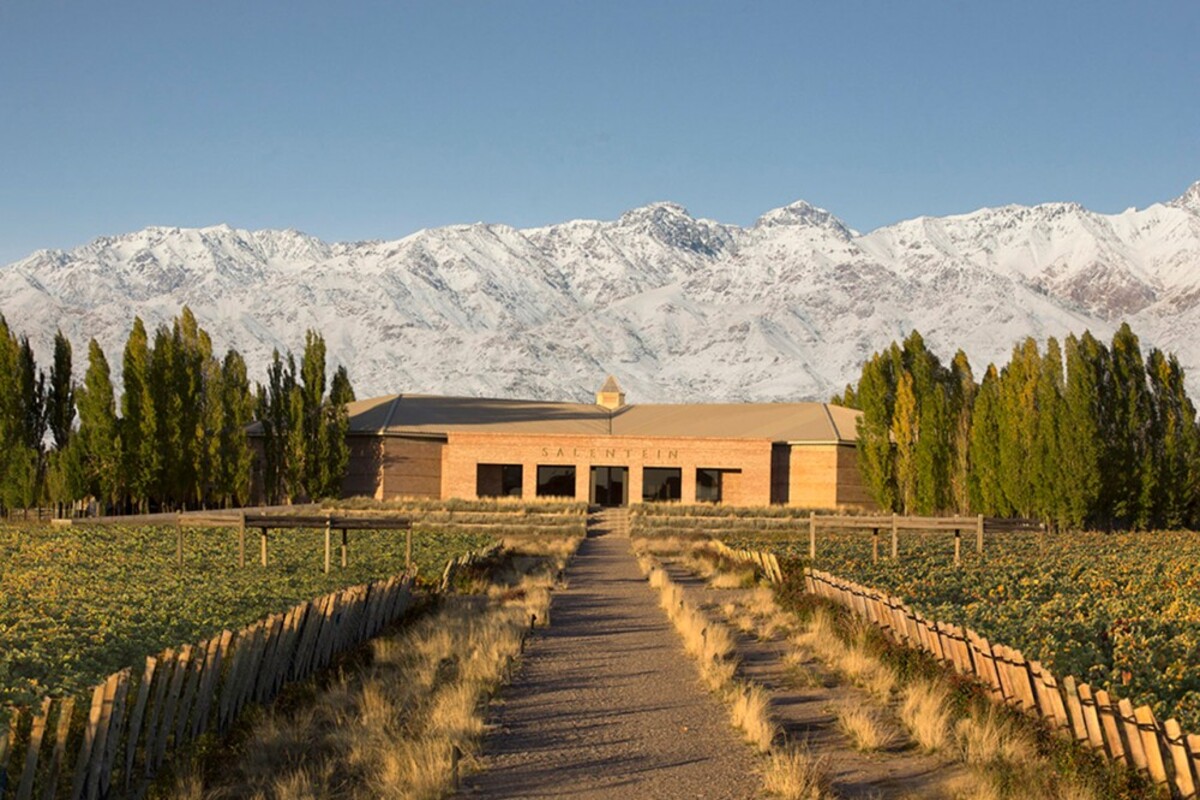
Argentina’s most visited wine corridors cluster around Mendoza, with day trips from the city and longer excursions toward Luján de Cuyo and Maipú. Chile’s flagship wine areas concentrate around the Central Valley, with many private visits based in or near Santiago and then driven to valleys such as Maipo, Casablanca, or Colchagua. The practical difference for travelers is travel time and the style of the day: Mendoza visits often feel more “vineyard-to-cellar” with large estates and big views, while Chile frequently pairs tasting with a tighter logistics chain from the capital.
Season matters for both countries. Harvest timing shifts by year, and estates may adjust tours when grapes are being processed. If you book for a specific month, ask whether the itinerary changes during harvest weeks, because cellar access and tasting order can shift when tanks are running.
Common Booking Pain Points
People often assume private means unlimited access. Many estates restrict cellar entry to staff-led groups, limit time in fermentation rooms, and keep certain areas off-limits for hygiene or safety. Another frequent mismatch is expecting the same wine styles across borders: Mendoza leans heavily toward Malbec alongside Cabernet Sauvignon and blends, while Chile’s Central Valley includes strong Cabernet Sauvignon and Carmenère, with crisp whites in cooler pockets.
Supporting dependencies shape the experience. Transport is the biggest one: private tours depend on a driver who knows the route, traffic patterns, and where estates allow parking. Tasting quality also depends on how the host manages service size and pacing; if you taste too many wines quickly, you lose the ability to compare aromas and finish notes. Finally, “private” depends on staffing schedules. Estates may offer fewer guides on certain weekdays, and that can change group size, tour depth, and the number of wines poured.
Some travelers also misread what they are paying for. A higher price might reflect a longer drive to a remote estate, a larger tasting flight, or a meal component, not necessarily better wine. If the offer lists only a generic “tasting,” ask for the number of wines, whether there is a food pairing, and whether you’ll taste reserve bottlings or only current releases.
How To Choose A Private Visit
Ask For A Written Itinerary
Request a short written plan that lists the sequence: vineyard walk, cellar tour, tasting, and any meal. A useful target is a 4–6 hour experience for a single estate visit, with tasting flights commonly ranging from 4 to 8 wines depending on the estate and whether food is included. If the itinerary mentions “cellar access,” ask which areas you’ll see (barrel room, fermentation tanks, bottling line) and whether there are restrictions on photography.
For a concrete example, a host might schedule a 10:00 vineyard start, a 11:30 cellar segment, and a 12:15 seated tasting. That structure matters because it affects how warm the wines are and how much time you have to compare. If you see a plan that compresses everything into under 2 hours, the tasting can feel rushed, and the host may skip deeper explanations.
Match Region To Your Wine Preferences
Use the region’s climate and grape reputation as your starting filter, then confirm with the estate’s current portfolio. Mendoza is often associated with Malbec and high-altitude influences, while Chile’s Central Valley includes both warmer and cooler sub-regions that shape acidity and aromatic intensity. If you prefer crisp whites, ask whether the estate sources from cooler sites or offers a white tasting component; some estates focus mainly on reds.
When you compare, look for the estate’s stated winemaking approach, not only the grape list. A Malbec tasting can differ widely depending on oak use, maceration time, and whether the estate emphasizes freshness or extraction. Hosts sometimes mention barrel aging duration in months; if you get that detail, you can better predict the style you’ll taste.
Plan Transport And Timing
Private visits depend on door-to-door logistics. In Mendoza, you may start from the city and drive 30–90 minutes depending on the estate location; in Chile, the drive from Santiago to valleys can also range widely. Ask about pickup time windows and whether the driver waits during the tour or returns at a fixed time. Waiting policies affect the day’s pacing, especially if you want time for a second stop.
Also check the tasting service size. Many estates follow local alcohol service norms and may limit pours per person. If you plan to drive yourself, you may face restrictions or refusal of service; most private tours include a driver precisely because wine tasting involves alcohol. If you want to stay alert for a later dinner, ask whether the tasting includes water between pours and whether the host offers a slower pacing option.
Confirm Costs And What’s Included
Request a breakdown: guide fee, transportation, tasting flight, any food pairing, and any additional fees for cellar access or special tastings. Prices vary by season and group size, and some estates charge extra for reserve bottlings or for a longer meal. A practical way to compare offers is to count the number of wines and whether food is included, then compare the total duration.
One small detail that often changes the experience is whether the tasting is seated or standing. Seated tastings tend to support slower pacing and better pairing, while standing tastings can feel like a quick walkthrough. If you see a mention of “tasting room only,” that usually signals fewer vineyard or production stops.
Argentina And Chile Case Examples
Scenario A (Mendoza, weekday visit): A couple books a private estate tour for a Tuesday in early spring. The written itinerary lists a vineyard walk, a short cellar tour, and a seated tasting of 6 wines with bread and olive oil. The host confirms that during that week the estate is not in peak harvest, so fermentation rooms are accessible. They also learn that the tasting includes two Malbec expressions and two Cabernet-based wines, with a small white pour at the end for palate reset.
Scenario B (Colchagua, weekend logistics): A solo traveler books a private visit from Santiago for a Saturday. The itinerary includes pickup at 08:30, a drive to the valley, a barrel room walkthrough, and a tasting paired with a light lunch. The estate clarifies that photography is limited in the bottling area and that the tasting flight includes one Carmenère and one oak-influenced red blend. The traveler notices the day runs closer to 7 hours due to traffic, so they plan a late dinner reservation rather than an immediate evening plan.
Comparison Checklist
| Decision Factor | Argentina (Mendoza) | Chile (Central Valley) | What To Ask |
|---|---|---|---|
| Typical starting point | Mendoza city or nearby bases | Santiago or valley towns | Pickup time window and waiting policy |
| Common red focus | Malbec and Cabernet blends | Cabernet Sauvignon and Carmenère | Which wines are in the flight (count + names) |
| Tour depth | Often includes vineyard + cellar | Often includes cellar + tasting room, varies by estate | Which production areas you’ll visit |
| Seasonal changes | Harvest can affect access and pacing | Harvest timing shifts by year and valley | Whether the itinerary changes during harvest weeks |
| Food pairing | May be bread/olive oil or lunch depending on package | Often includes lunch in longer private packages | What’s included and any dietary handling |
| Day length | Commonly 4–6 hours for one estate | Commonly 5–7 hours from Santiago depending on valley | Total duration and buffer for traffic |
Quick checklist before you pay: confirm the number of wines, confirm whether food is included, ask for a written itinerary, and verify pickup and return times. If the offer mentions a “special tasting,” request the exact bottlings and whether there is an extra charge.
Common Mistakes To Avoid
Booking without asking for the tasting flight often leads to disappointment, especially when you prefer whites or lighter reds and the estate pours only oak-heavy bottles. Another mistake is ignoring alcohol pacing. If you plan to drive later or attend a long dinner, a fast 8-wine flight can leave you with a heavier finish than expected.
Some travelers also underestimate distance between regions and assume a “private” day will fit into a short schedule. In practice, estate locations and road conditions can stretch the day, and the driver’s waiting time can affect the itinerary. I once saw an itinerary labeled “4 hours” that turned into 5.5 due to a pickup delay; the listing didn’t mention traffic buffers, and the tasting room had a fixed seating schedule.
Finally, avoid offers that describe the experience only in broad terms like “wine education.” Ask for concrete details such as barrel aging, vineyard practices, or the winemaking steps you’ll hear about. If the host cannot name what you’ll taste, the tour may be more sales-focused than educational.
FAQ
What does “private” usually include?
Most private estate visits include a dedicated guide/host, a planned route, and a tasting flight. Cellar access and meal components vary by estate and package, so the written itinerary matters.
How many wines are typical?
Many private tastings fall around 4–8 wines, with the exact count depending on duration and whether food pairing is included. Ask for the number and the names of the wines in the flight.
Do tours change during harvest?
Yes. Estates often adjust access to fermentation and bottling areas and may shift the tasting order when tanks are running. Confirm whether your visit date overlaps with harvest activity.
Is it safe to drive after tasting?
Wine tasting involves alcohol, and many estates will not serve if you plan to drive. If you need to drive, ask the estate or tour operator about service policies and consider a driver.
Which country fits Malbec lovers?
Mendoza in Argentina is the most common choice for Malbec-focused tastings. Chile offers strong reds too, but the grape emphasis differs by valley and estate portfolio.
Author's Insight
Private wine estates in Argentina and Chile share a common structure: guided access, a tasting flight, and rules that limit cellar entry and alcohol service. The biggest practical differences show up in logistics from major hubs, the typical grape emphasis by region, and how harvest timing affects what you can see. When comparing offers, treat the written itinerary and the exact tasting list as the primary evidence, not the marketing description.
If you want a quick way to sanity-check timing, compare the tour duration against the number of stops and the seating schedule in the tasting room. A tool like Google Maps can help estimate drive time, but it won’t predict estate waiting times or fixed tour slots; I’ve seen that gap on dates like 2026-04-17 when reservations were tight.
Key Takeaways
- Ask for a written itinerary and the exact tasting flight (wine names and count) before booking.
- Plan around season and harvest activity, since cellar access and pacing can change.
- Compare total day length and transport waiting policies, not only the headline price.
- Match the region’s grape reputation to your preferences, then confirm with the estate’s current portfolio.