Polo Resorts In Argentina
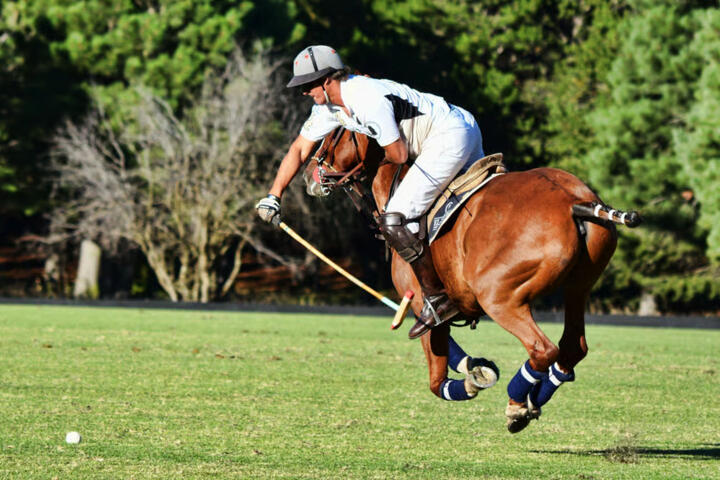
Polo resorts in Argentina combine lodging with polo-related programming, often including stables, lessons, match viewing, and access to training grounds. Many properties position themselves as “VIP” by offering priority scheduling, private transfers, and quieter service lanes rather than by changing the core resort amenities. The practical difference for guests usually shows up in timing: when you arrive, how quickly you move between rooms and facilities, and how your day aligns with horses, weather, and match days.
Argentina’s polo calendar varies by region and club, so a “VIP” package can feel different depending on whether you travel during a tournament week or a quieter training period. In the Buenos Aires area, traffic patterns and airport transfer times can swing noticeably by time of day, which affects how much of the first afternoon you actually spend on-site. If you plan to ride or watch early practice, you may need to accept mornings that start earlier than a typical resort schedule.
For health planning, the resort environment matters too. Polo grounds can involve dust, insects, and strong sun exposure, and the daily rhythm around horses can mean more time outdoors than a standard hotel itinerary. If you have mobility limits, ask how far the walking routes are between rooms, dining, and viewing areas, because “close to the action” can still involve uneven ground.
Main Problems And Pain Points
Travelers often treat “VIP” as a single feature, then discover it is a bundle of small operational choices. One property may offer private car service, while another focuses on reserved seating and a dedicated host. When the booking page lists broad benefits without stating what changes day-to-day, you end up guessing whether the difference is worth the price.
A second common issue is schedule mismatch. Polo activities depend on daylight, horse routines, and weather, so a match start time can shift, and practice sessions may move earlier or later. If your itinerary assumes fixed times for spa appointments or excursions, you can end up with gaps or rushed transitions. This is where supporting dependencies matter: stable staff availability, grooming and feeding windows, and the resort’s internal transport capacity.
People also underestimate transfer logistics. A “private transfer” can mean a car waiting at the airport, or it can mean a driver who meets you after a delay, which changes your arrival experience. If you land late, you may miss the first polo briefing, and then the next day starts with a catch-up session that, frankly, most people skip in their planning.
Finally, health and safety basics get overlooked. Sun exposure and dehydration risk rise when you spend long periods outdoors, especially during windy or dusty conditions. If you have allergies, ask about insect control around stables and whether dining areas use fans or open-air layouts that can affect pollen exposure.
Solutions And Advice
Ask What VIP Changes Daily
Request a written outline of what “VIP” means for your specific stay: arrival handling, transfer timing, meal service style, and access to polo viewing or lessons. Use concrete questions such as: “Who schedules my activities, and how are changes communicated if weather shifts?” and “Is there a dedicated host for the entire stay or only for check-in?” If the resort uses a guest app or messaging channel, ask which version is active for guests and how quickly staff typically respond (for example, response times around 15–30 minutes during daytime operations).
For evidence-based decision-making, compare the VIP bundle against the standard package line by line. If the only difference is a premium room category, the “VIP” label may not match your expectations. If the difference includes reserved seating, private transport, or priority access to lessons, you can plan around that operational advantage.
Plan Around Polo Timing
Build your itinerary around polo daylight. Ask for the typical daily rhythm during your travel week: stable visits, practice windows, meal times, and match viewing. Many resorts run activities in blocks rather than fixed appointments, so you may receive a schedule the week of travel. If you see a “tentative” match time, treat it as a range and keep at least half a day flexible.
Weather is not a footnote. Wind and heat can change how long horses train and how long spectators stay comfortable. If you plan to be outdoors for hours, pack sun protection and hydration options, and ask whether the resort provides water stations at viewing areas.
As a practical aside, I often see guests plan around a single “start time” and then get surprised by the pre-match warm-up. That warm-up can be the best viewing window, but it also means you should arrive earlier than the match announcement.
Verify Transfers And Accessibility
Confirm the exact transfer route and timing assumptions. Ask whether the driver meets you at arrivals with a name sign, whether there is a waiting policy if your flight is delayed, and how long the transfer typically takes from the airport you will use. If you travel with mobility needs, ask about surface types on the route from rooms to dining and polo areas, plus whether there are golf carts or alternative paths.
For health-related comfort, ask about climate control in rooms and dining areas. In some rural or semi-rural settings, humidity and temperature swings can be noticeable at night, and air-conditioning performance varies by room category. If you have respiratory sensitivities, ask whether rooms have HEPA filtration or if the resort relies on standard HVAC; the answer affects how you pack.
Check Dining, Privacy, And Safety
VIP dining can mean reserved tables, flexible menus, or private service. Ask whether dietary restrictions are handled with advance notice and whether the kitchen can accommodate allergies without cross-contact risk. If you have a severe allergy, request the resort’s process for ingredient labeling and staff communication.
Privacy expectations should also be clarified. “Private” can mean a quieter table, or it can mean a separate room. Ask about noise levels during match days and whether staff can adjust service timing around your viewing schedule.
Safety questions should cover sun and heat management, insect control near stables, and emergency procedures. Ask where first-aid supplies are located and whether staff are trained for basic first aid. For travelers who need medication continuity, confirm whether pharmacies are nearby and whether the resort can store temperature-sensitive medications.
Case Examples
Scenario 1: Schedule mismatch during a tournament week. A couple books a VIP package expecting a late breakfast and a relaxed afternoon. The resort’s polo schedule includes an early stable visit and a match with a pre-match briefing that shifts by weather. They receive a revised timetable the evening before, and their afternoon excursion gets shortened. The couple avoids repeat issues by asking for a “day-of” schedule window and keeping one activity flexible.
Scenario 2: Accessibility and transfer clarity. A traveler with limited walking ability books a stay that advertises “close access to polo.” On arrival, the walking route from the room to the viewing area includes uneven ground. The resort can switch them to a cart route after they report the issue, but the first day is slower than expected. After that, they request a map of routes and confirm cart availability for each match day.
Comparison Table And Checklist
| Decision Point | VIP Package Tends To Mean | What To Ask Before Booking | How To Judge Fit |
|---|---|---|---|
| Arrival Handling | Priority check-in, faster room access, driver coordination | Who meets you, what is the waiting policy, and when do you get the day schedule? | If you land late, confirm you still get polo briefing time |
| Viewing Access | Reserved seating or guided viewing blocks | Is seating covered, and how early must guests arrive? | If you dislike crowds, reserved seating can matter more than room upgrades |
| Transfers | Private car, sometimes with flexible timing | Exact pickup point, typical travel time, and delay handling | If you have mobility needs, confirm cart or alternative routes |
| Dining | Reserved tables, flexible service, dietary attention | How are allergies handled, and can menus adapt to restrictions? | If you have allergies, ask for the kitchen process, not just “we can accommodate” |
Step-by-step checklist (send this to the resort):
- Share your travel dates and ask for the typical daily polo schedule for that week.
- Ask what “VIP” changes in writing: arrival, transfers, meals, viewing access, and lesson access.
- Request details on transfer timing, waiting policy, and pickup location at the airport.
- Describe mobility or health needs and ask about route surfaces, cart availability, and room climate control.
- Ask how dietary restrictions and allergies are handled, including cross-contact practices.
- Confirm what happens when weather changes: who decides, how you are notified, and whether refunds or schedule swaps apply.
Common Mistakes
Booking based on photos and a single “VIP” label without asking for the operational details. A resort can offer premium rooms and still run a standard schedule for activities, which changes the value of the VIP upgrade. When the resort cannot answer specific questions about timing and access, you should treat that as a signal.
Assuming polo schedules are fixed. Match days can shift due to weather and field conditions, and stable routines can affect lesson timing. If you plan medical appointments, long drives, or tight connections, build buffer time and keep a backup plan for the day-of schedule.
Underpacking for outdoor conditions. Sun exposure, dust, and insects can affect comfort and trigger symptoms for travelers with sensitivities. Bring sun protection, hydration options, and any medications you need for heat-related issues, because resort supplies may not match your preferences.
Skipping travel insurance review. Check whether your policy covers trip interruption due to weather, missed connections, and pre-existing condition rules. If you are traveling with prescription medication, confirm documentation requirements and carry medications in original packaging.
FAQ
What does “VIP” usually include?
VIP packages commonly add priority scheduling, reserved viewing or lesson access, and private transfers. The exact bundle varies by resort, so request a written list of changes compared with the standard stay.
How do polo schedules affect my plans?
Polo activities follow daylight and horse routines, so practice and match times can shift with weather. Ask for the typical daily rhythm for your travel week and keep at least one block flexible.
Are transfers from airports reliable?
Reliability depends on pickup procedures, waiting policies, and traffic timing. Confirm the pickup point, expected travel time, and what happens if your flight is delayed.
Can resorts handle dietary restrictions?
Many can accommodate common preferences, but allergy management needs specific processes. Ask about cross-contact practices, ingredient labeling, and how staff communicate restrictions to the kitchen.
What health risks should I plan for?
Common issues include sun exposure, dehydration, dust exposure, and insect bites around outdoor areas. Pack sun protection and hydration, and ask about climate control and insect control near stables.
Author's Insight
Polo resorts blend hospitality with animal-centered operations, so the guest experience depends on timing, weather, and stable routines. “VIP” tends to mean fewer friction points—faster coordination, reserved access, and clearer scheduling—rather than a guarantee that polo events will run exactly as advertised. For health-minded travelers, the biggest practical variables are outdoor exposure and how the resort manages dietary needs and accessibility routes. When a resort answers questions with specific details instead of broad claims, you can plan with less uncertainty.
Key Takeaways
- Treat “VIP” as an operational bundle; ask for written specifics on arrival, transfers, meals, and viewing access.
- Plan around polo daylight and stable routines; keep flexibility for weather-related schedule changes.
- Confirm transfer timing and accessibility routes, especially if you have mobility or respiratory sensitivities.
- Clarify dietary restrictions and allergy processes, then review travel insurance for weather and interruption coverage.