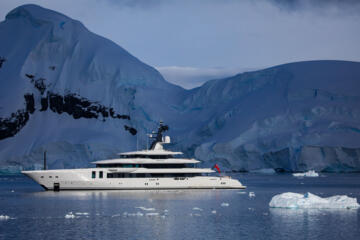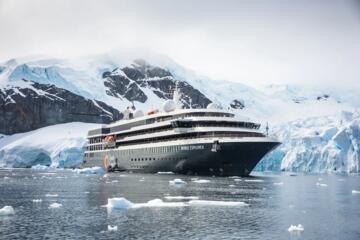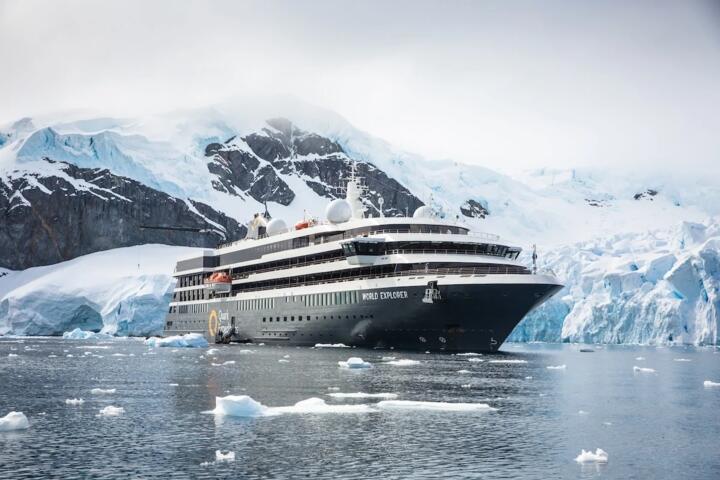
Ushuaia Routes To Antarctica
Most Antarctica cruises that start in Ushuaia follow a similar geographic pattern: a crossing of the Drake Passage, then time along the Antarctic Peninsula, and a return crossing. The differences between itineraries usually come from how many days are spent at sea, how long the ship stays in the Peninsula area, and whether the schedule includes additional stops such as the Falkland Islands. Those choices change the mix of cold exposure, motion exposure, and time spent on landings.
Ushuaia is also a practical hub for logistics. Flights into Argentina, transfers to the port, and pre-cruise hotel nights can affect how rested you feel before the first sea day. A traveler who arrives late and skips sleep often feels the Drake Passage more intensely, even with the same cabin and the same medication plan. I’ve seen this play out in planning discussions around version 2.1 of a common travel-prep checklist shared by cruise agencies, where “arrival day fatigue” was treated as a risk factor rather than an inconvenience.
Health planning matters because Antarctica travel concentrates multiple stressors: cold air, wind chill, wet conditions during zodiac landings, and prolonged time on a moving ship. Motion sickness risk depends on individual susceptibility, but itinerary structure influences how long you’re exposed before you get calmer waters. Some schedules include an extra day in the Peninsula region, which can reduce the number of consecutive sea days on either side of the crossing.
Common Booking Mistakes
People often compare cruises by “days in Antarctica” alone, then miss that the Drake Passage can dominate how you feel. A 10-day itinerary with 3 days in the Peninsula can still feel harder than a 12-day itinerary with 4 days, if the shorter one has longer consecutive crossings. Another frequent mistake is assuming that cabin location fixes motion sickness. Cabin placement can help, but it cannot change wave height or your personal vestibular sensitivity.
Travelers also underestimate how weather affects landing frequency. Even when a ship’s schedule lists multiple landing opportunities, sea state, wind, and visibility can reduce zodiac operations. That means you may spend more time indoors than the brochure suggests, which changes how you manage hydration, activity, and cold exposure. The ship’s medical capability matters too, but it varies by vessel size and staffing model; larger ships may have more on-board services, while smaller ships may offer different clinical support arrangements.
Supporting technologies and dependencies shape the experience. Motion sickness management often relies on medication timing and correct dosing, plus access to anti-nausea options on board. Cold-weather safety depends on the availability and fit of thermal layers and outerwear, plus crew guidance on hypothermia prevention. Communication and navigation depend on the ship’s bridge operations and weather routing; those systems affect whether the ship can hold a planned landing window or must adjust.
Finally, many people ignore the health paperwork chain. Cruise lines typically require medical questionnaires, and some may ask for a physician letter for certain conditions. If you wait until the last week, you may not get a response in time, and you may end up with a booking that cannot be medically cleared. This is where a small side detail—like checking the operator’s form version date—can prevent a scramble; some agencies update their medical forms mid-season.
How To Compare Itineraries
Match Your Risk Profile
Start with your motion sickness history and your cold tolerance. If you’ve had nausea with car rides, flights, or prior boat trips, treat the Drake Passage as a predictable exposure rather than a surprise. Ask the operator what anti-nausea options are available on board and whether they follow a standard medication guidance approach. Many travelers use prescription or over-the-counter options, but dosing and suitability depend on age, medical history, and other medications.
For cold exposure, plan for wet conditions during zodiac landings. Even with provided gear, you still need layers that fit and dry quickly. A practical step is to test your layering system at home in cold, windy weather. If your gloves or boots don’t stay comfortable in damp cold, you’ll feel it during landings, and you may reduce your willingness to go ashore.
Outcome expectation: you cannot eliminate motion or cold stress, but you can reduce the “unplanned” part. A well-matched cabin, a consistent medication plan, and a tested clothing system often reduce the number of days you feel limited by symptoms.
Use a Day-By-Day Checklist
Compare itineraries using a day-by-day structure rather than marketing totals. Record the number of sea days before the first Peninsula landing, the number of consecutive days at sea during the return, and the number of scheduled landing days. Then check whether the itinerary includes buffer time for weather. Buffer time does not guarantee landings, but it reduces the chance that one rough day forces a cascade of missed opportunities.
Also compare the ship’s operational model. Ask whether the ship uses a single zodiac fleet or multiple, and how it schedules landings when conditions are marginal. You can’t control wind, but you can understand how the operator handles trade-offs between safety and activity.
Outcome expectation: a checklist-based comparison usually reveals differences that are not obvious in a one-paragraph itinerary summary. It also helps you spot schedules that front-load sea days, which can matter for people who want earlier time on land.
Check Cabin and Movement Factors
Cabin choice affects motion perception. Many operators recommend cabins mid-ship and lower decks for reduced motion, but the exact guidance varies by vessel design. Ask for the deck plan and the cabin category mapping, then choose a location that matches your preference for stability versus window access. If you’re prone to nausea, you may prefer a cabin with less visual stimulation, which can reduce sensory conflict.
Hydration and sleep also matter. Cabins differ in temperature control and noise levels, and those differences can influence how quickly you recover after a rough crossing. A mild frustration for many travelers: the cabin category names sound similar across operators, but the actual layout and proximity to public areas can differ a lot.
Outcome expectation: cabin selection can reduce symptom intensity for some people, but it does not change the underlying sea state. Plan medication and coping strategies as if you will still feel motion.
Verify Medical and Gear Policies
Read the medical questionnaire requirements early. Look for whether the operator asks for a physician letter for conditions like cardiovascular disease, severe asthma, or mobility limitations. Ask how the ship handles oxygen availability, evacuation planning, and on-board clinician qualifications. Operators may describe medical facilities, but the practical question is what happens if symptoms worsen during a remote segment.
Gear policies also affect health outcomes. Confirm what is provided (parkas, boots, thermal layers) and what you must bring. Ask about sizing exchanges and whether gear is issued before or after embarkation. If you wear prescription glasses, confirm whether you should bring spare pairs and whether anti-fog solutions are recommended.
Outcome expectation: clear medical and gear policies reduce last-minute uncertainty. That reduces stress, and stress worsens nausea and cold intolerance for many travelers.
Educational Case Examples
Scenario A (motion-sensitive traveler): A traveler with a history of motion sickness compares two Ushuaia departures. Cruise 1 has a shorter total duration but includes two consecutive sea days before the first Peninsula landing. Cruise 2 has a longer schedule with a slightly later first landing and one additional day in the Peninsula area. After reviewing day-by-day exposure, the traveler chooses Cruise 2 and selects a mid-ship cabin. They also start an anti-nausea plan before the crossing, following the clinician’s instructions. The traveler reports fewer “symptom-limited” hours during the first half of the trip, though they still experience some nausea during rougher weather.
Scenario B (cold and mobility planning): Another traveler focuses on cold-weather safety and mobility. They compare two itineraries with similar landing counts but different zodiac schedules. One itinerary includes more frequent short landings, which increases time spent in wet gear cycles. The traveler chooses the itinerary with fewer, longer landing windows and confirms gear sizing in advance. They bring additional dry base layers and plan for indoor recovery time after each landing. The trip does not eliminate discomfort, but it reduces the number of days where cold exposure disrupts their ability to participate in activities.
Ushuaia Cruise Comparison Checklist
| Decision Factor | What To Look For | Why It Matters | How To Verify |
|---|---|---|---|
| Sea-Day Pattern | Days at sea before first landing and return | Affects motion exposure and recovery time | Request a day-by-day itinerary with buffers |
| Landing Flexibility | Weather buffer and contingency days | Sea state can reduce zodiac operations | Ask how missed landings are handled |
| Cabin Location | Mid-ship, lower decks, noise level | Can reduce perceived motion for some travelers | Use deck plans and ask for cabin guidance |
| Medical Clearance | Questionnaire, physician letter triggers | Remote setting changes risk management | Submit early; confirm response timelines |
| Gear and Layering | What’s provided and sizing process | Wet cold exposure affects comfort and safety | Ask about exchanges and what to bring |
Step-by-step checklist you can use before paying a deposit: (1) write down your top two health concerns (motion, cold, mobility, chronic conditions); (2) compare two itineraries using the sea-day pattern; (3) pick a cabin category that matches your motion preference; (4) request the medical questionnaire and submit it early; (5) confirm gear sizing and what you must bring; (6) ask how the ship handles missed landings due to weather. This sequence prevents the common pattern of choosing a schedule first, then discovering gear or medical constraints later.
Common Mistakes
One mistake is assuming that “Antarctica Peninsula” time always means calm conditions. The Peninsula region can still have wind and swell, and zodiac operations depend on local conditions. Another mistake is ignoring the return crossing. Some travelers feel better after the first landing and then underestimate how the second Drake Passage can affect sleep and appetite.
People also over-trust generic packing lists. Cruise gear policies vary, and some operators provide parkas and boots while others provide different items or require specific underlayers. If you pack the wrong base layer thickness, you may feel cold during landings and too warm on board, which increases fatigue.
Medical planning errors are common. Travelers sometimes bring medication without checking whether it is allowed in their destination paperwork or whether they have enough supply for delays. They also forget that some anti-nausea medications can cause drowsiness, which affects how you move around the ship. If you use any medication, confirm timing with a clinician and keep a copy of prescriptions.
Finally, avoid booking based on itinerary photos. A schedule is a plan, not a guarantee. Weather routing and safety decisions can change landing counts, and the ship’s operational choices determine how much flexibility you get.
FAQ
How long is the Drake Passage?
Crossing time varies by ship speed, weather, and routing, so it can differ between departures. Ask the operator for the planned crossing duration and whether the itinerary includes buffer days for rough conditions.
Do I need a medical clearance?
Many operators require a medical questionnaire and may request a physician letter for certain conditions. Submit early so the operator can review your form before final payment deadlines.
What cabin location reduces motion?
Cabins mid-ship and on lower decks often feel steadier, but vessel design matters. Request deck plans and cabin guidance from the operator rather than relying on category names.
Are landings guaranteed in Antarctica?
Landing opportunities depend on wind, visibility, and sea state, so they are not guaranteed. Look for itineraries with weather buffer days and ask how missed landings are handled.
What gear should I bring?
Operators usually provide outer cold-weather gear, but you typically bring base layers and personal items. Confirm the exact gear list, sizing process, and what to pack for wet conditions.
Author's Insight
Ushuaia-based Antarctica cruises share the same core exposure: a remote crossing and a cold-weather landing environment. The practical differences between operators and itineraries show up in sea-day pattern, weather buffer, cabin layout, and how medical and gear policies are handled. A careful comparison reduces uncertainty by focusing on day-by-day exposure rather than brochure totals. If you have motion sickness or chronic conditions, start with medical clearance timing and a medication plan discussed with a clinician, then choose the itinerary that matches your tolerance for consecutive sea days.
Key Takeaways
- Compare itineraries by sea-day pattern and landing buffers, not only by “days in Antarctica.”
- Cabin location can reduce perceived motion for some travelers, but it cannot change sea state.
- Weather can reduce zodiac landings; itineraries with contingency time tend to feel less disruptive.
- Submit medical forms early and confirm gear sizing and what you must bring.
- Plan for both crossings, since the return Drake Passage can affect sleep, appetite, and symptoms.