Learning Premium Access
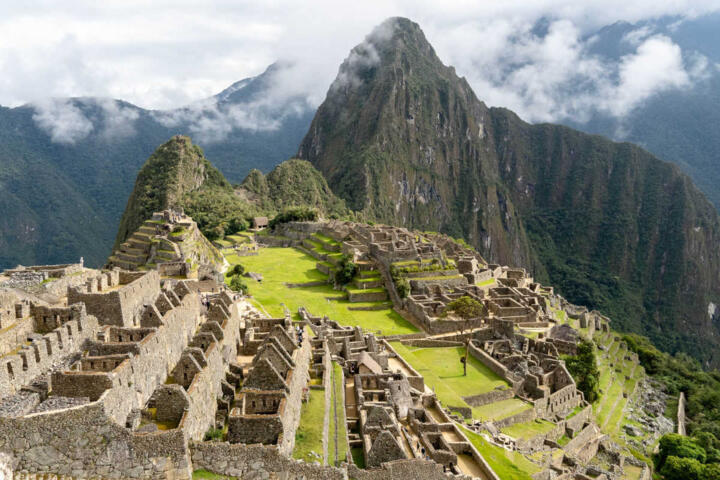
Machu Picchu introduced a premium access option to balance visitor flow and protect its fragile site. By 2026, this type of ticket covers additional benefits—priority entry, access to restricted zones, or guided tours with fewer guests. For example, premium tickets grant early morning entry hours before the crowds flood in. Around 1,200 visitors hold premium permits daily, about 20% of total capacity.
This policy adjusts ticket allocation to reduce congestion and preserve the archaeological remains. Travelers who booked standard tickets in past years faced delays and rerouting; premium access reduces that hassle substantially. For instance, travelers using premium access avoid the midday bottleneck at the Sun Gate.
Common Entry Issues
Many travelers misunderstand Machu Picchu’s ticketing rules. Some assume purchasing entry near the arrival date remains an option. Not true—tickets, especially premium, often sell out months ahead. This leads to disappointment or rescheduling at the last minute, often at a higher price.
Incorrectly timed train reservations cause another problem. Trains connect Cusco, Ollantaytambo, and Aguas Calientes but must align perfectly with ticket entry times. Mismatched tickets and trains can result in waiting hours or missing the premium entry window. Some visitors, unaware of the new regulations, try to enter after their time slot and face denial without refund.
Limited entry per day intensifies this. The site permits 4,044 total visitors split into three daily shifts; premium access customers get a distinct slot. Violating this system risks site overcrowding and stricter enforcement.
Secure Access Tactics
Reserve Early Online
Buy your premium Machu Picchu ticket through Peru’s official ticketing platform at least 3-4 months in advance. The government website, accessed via a fixed IP range by third-party vendors like Inkaterra Travel, shows the real-time availability graph. Digital tools from late 2023 reveal peak slots sell out fast, especially April to August.
Pinpoint Entry Time
Choose critical time slots aligning with your itinerary. Early morning (6–7 AM) access limits crowd density and sunlight issues for photography. Peak season requires precise timing; opting for afternoon sessions may cut through many tour groups entering simultaneously.
Coordinate Train Schedules
Match arrival and departure trains—Inca Rail or PeruRail—with your entry. Failure to do so causes long waits or rushed visits. The Inca Rail 'First Class' option aligns easier with premium ticket times due to fewer stops, but costs 30%-50% more than standard service.
Use Verified Tour Operators
Established agencies like Explorandes and G Adventures package tickets, guides, and transport. These have direct connections, often holding reserved ticket blocks and reducing the chance of sold-out dates. Costs run from $150 to $350 per person depending on service level.
Check Refund Rules
Premium tickets occasionally allow partial refunds or exchanges before 48 hours of entry. This flexibility helps if travel plans shift—though policies differ by reseller. Always review terms; government sites tend to offer stricter no-refund conditions.
Prepare for On-Site Checks
Carry valid photo ID matching your ticket; personnel enforce matching carefully since 2025 updates. Premium access requires scanning your QR code within entry windows to prevent fraud. Digital wallet apps storing your ticket work best here.
Stay Updated on Regulations
The Ministry of Culture updates ticket quotas and guidelines frequently, reacting to environmental or political factors. Sign up for newsletters or follow official social media channels. A recent November 2025 update reduced peak-day visitors by 5%, impacting premium access availability.
Budget for Extras
Premium tickets cost roughly $70 USD versus $45 for regular admission. Add transport, guide fees, and optional services. Planning your finances helps avoid surprises, especially when booking through agencies that apply service fees or VAT taxes.
Bring Physical Copies
Even with digital tech, print your tickets and confirmation emails. Some checkpoints have connectivity issues that complicate validating mobile tickets.
Visitor Experience Examples
Case 1: Jane, a solo traveler, booked premium tickets six months ahead in early 2025. She chose a 7 AM slot and purchased an Inca Rail First Class train ticket. Result: walking into a quiet site without waiting lines. She finished the climb to Huayna Picchu by noon, completing the visit in 4 hours with no rush. Total cost: $250 including guide and train.
Case 2: An adventure group of ten booked standard tickets last-minute through a local Cusco agent in early 2026. They missed coordinating train times and arrived two hours late for their entry slot. Entry was denied; rescheduling and premium access upgrade raised their costs by over 40%. This caused itinerary delays, and morale dropped noticeably.
Access Planning Checklist
| Step | Action | Deadline | Notes |
|---|---|---|---|
| 1 | Book premium ticket | 4-6 months ahead | Use official or trusted vendors |
| 2 | Select entry time slot | When buying ticket | Prefer mornings |
| 3 | Match train times | 1-2 months before visit | Inca Rail or PeruRail |
| 4 | Arrange guide or tour | At booking or later | Enhances experience |
| 5 | Print tickets/backup | Before travel | Avoid entry issues |
Errors to Watch For
Buying tickets from unauthorized vendors can lead to invalid permits and denied access. Sometimes scammers list fake premium tickets, which ruin plans and waste money. Avoid any sales outside official channels or licensed agencies.
Ignoring train and ticket timing causes missed entries. If your train arrives after your slot starts, expect long waits or refusal. This is a strict policy, enforced since late 2024 without exceptions.
Failing to carry matching ID and ticket details trips up the entry gate. Machu Picchu staff verify names and may reject mismatches with no refund. Some mistakenly assume a photo of a ticket on their phone suffices but often face connectivity issues.
FAQ
What is included in premium access?
Priority timed entry, access to exclusive viewpoints, and smaller guided groups. It gives early arrival advantage with fewer crowds.
How far in advance should I book tickets?
Four to six months generally guarantees availability, especially for premium tickets in high season.
Can I upgrade regular tickets to premium?
No. Upgrades require purchasing a new premium ticket if available; transfers are not allowed.
Are there age restrictions for premium tickets?
None. But some access points on premium routes involve steep trails, challenging for young children or elderly.
What if I miss my entry time?
Entry is denied. Rescheduling requires buying a new ticket, often at a higher cost.
Author's Insight
After nearly a decade of consulting travelers and guiding trips to Machu Picchu, I see premium access as the only way to appreciate the site without chaos. I often advise early risers to avoid the heat and crowds. A side note: Peru’s ticketing platform isn’t perfect; glitches appear around time zone changes, which, frankly, most people skip. Digital literacy matters here—you'll save time using official apps loaded with your QR codes.
What ot Remember
Securing Machu Picchu premium tickets in 2026 demands early planning, coordinated transport, and careful attention to entry windows. Skip last-minute purchases. Prioritize trains that match your entry slot and use authorized agents for bookings. Print your tickets and carry IDs. Following these steps cuts waiting time, enhances experience, and respects site preservation.