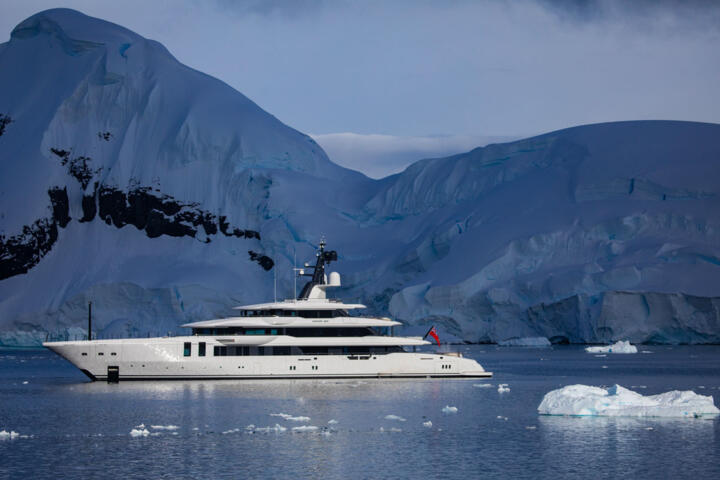
Superyacht Routes Across South America
South America offers long coastlines, varied sea states, and ports that range from well-served marinas to remote anchorages. Superyacht itineraries often cluster around predictable weather patterns and access to services such as bunkering, waste disposal, and crew support. A practical example is a Brazil-to-Uruguay run that uses sheltered waters near the Rio de la Plata region to reduce exposure to open-ocean conditions. Another common pattern is a Chile itinerary that follows the seasonal rhythm of the fjords and channels, where wind and visibility can change quickly.
Because superyachts depend on logistics, the “destination” is rarely just the scenic spot. It is also the chain of dependencies: a port that can handle your draft and length, a customs process that matches your crew and passenger list, and a communications plan for medical and security contingencies. Many captains plan around the availability of agents and the timing of immigration clearances, since delays can cascade into missed weather windows.
Common Planning Pain Points
People often underestimate how much itinerary feasibility depends on paperwork and timing, not only on geography. Clearance requirements differ by country and by whether you are arriving from another foreign port or from domestic waters. Even when a marina looks suitable on paper, the actual berth depth, tidal range, and approach channel can change the outcome.
Weather is another frequent failure point. South America’s coasts include areas with strong currents and sudden wind shifts, and the same route can feel very different across months. For example, the Atlantic side of South America can produce rougher conditions than sheltered estuaries, and the fjord systems in Chile can bring localized fog and gusts that affect anchoring and tender operations.
Supporting technologies also shape what is realistic. A yacht’s satellite communications, weather routing tools, and engine monitoring systems influence how safely a crew can adjust plans. If your onboard weather feed is delayed or your routing software uses coarse grids, you may plan around conditions that do not match the local reality—an issue that, frankly, most people only notice after departure. On the administrative side, many crews rely on electronic document workflows and agent portals; version mismatches in document templates can trigger avoidable rework.
Solutions And Practical Advice
Build A Port And Agent Plan
Start with a short list of candidate ports that match your draft, length overall, and tender needs. Then confirm service capacity: bunkering options, water and waste handling, and whether the marina can support crew changes. Use a local agent for customs and immigration steps, because agents coordinate with port authorities and can advise on document formats that are accepted in practice. For planning, request a written checklist from the agent and cross-check it against your crew list and passenger manifests; a mismatch on a surname spelling can stall clearance.
As a minor operational aside, crews often update their onboard document set after software changes; one common pattern is a late revision to a PDF template after a crew management system update (for example, a 2024 export format change). That kind of detail matters when officials scan documents quickly.
Use Weather Windows With Buffers
Plan around seasonal patterns and add buffer days for clearance delays and weather. For Atlantic and estuary routes, build a plan that includes alternate anchorages or marinas if wind increases. For Chilean channels and fjords, treat fog and wind as recurring constraints rather than rare events, and plan tender operations with conservative visibility assumptions.
Use multiple weather sources when making route decisions, and compare forecasts for wind speed, gusts, and visibility. Many crews also run a simple “decision threshold” rule: if wind exceeds a set value or visibility drops below a set level, the plan shifts to a sheltered anchorage. This approach reduces the temptation to push onward when conditions degrade.
Plan Fuel, Water, And Waste Early
Fuel planning should include not only consumption estimates but also the availability of bunkering grades and delivery schedules. Ask about line handling requirements, hose compatibility, and whether the marina can support your transfer method. For water and waste, confirm the procedures for sewage and greywater disposal and the documentation you may need for compliance.
Realistic outcome targets help: for many itineraries, crews aim to arrive with a fuel margin that covers at least one weather-driven detour plus a conservative approach to bunkering. If you cannot confirm bunkering timing, treat it as a risk and plan an earlier stop even if it adds distance.
Manage Crew Health And Safety Logistics
Superyacht travel depends on crew readiness as much as passenger comfort. Carry a medical kit aligned with your itinerary and confirm the nearest medical facilities for each major stop. Check whether local ports have reliable ambulance response times and whether communications coverage supports emergency coordination.
For safety planning, review local regulations on anchoring, speed limits near ports, and tender operation rules. Many crews also run a short pre-arrival briefing that covers docking roles, emergency muster points, and how to contact the agent and port control. A small frustration that repeats across voyages: crews sometimes assume a “standard” radio channel works everywhere, then discover it does not match local port procedures.
Case Examples For Realistic Itineraries
Scenario 1: Brazil Coast To Uruguay Estuary. A 60–70 meter yacht plans a 10-day route with two main stops: a Brazilian marina for provisioning and a Uruguay port for clearance and waste handling. The agent confirms berth depth and bunkering hours, then the captain schedules the crossing to the Rio de la Plata during a forecast window with lower wind. The crew keeps a one-day buffer because immigration appointments can shift by a day during peak periods. The itinerary succeeds because the plan treats clearance timing as a first-class constraint, not an afterthought.
Scenario 2: Chile Channels With Fjord Alternates. A yacht schedules a week in Chilean channels with three anchorages and one marina. Fog and gusts reduce tender activity on one day, so the captain uses a pre-identified sheltered anchorage as a fallback. The agent provides updated guidance on local anchoring restrictions and waste disposal procedures before arrival. The crew’s decision-making works because they agreed on weather thresholds before departure and had a clear plan for what changes when visibility drops.
Destination Checklist And Tradeoffs
| Decision Area | What To Check | Why It Matters | Common Tradeoff |
|---|---|---|---|
| Port Access | Draft limits, approach channel, berth length | Prevents last-minute reroutes | Better access often means less privacy |
| Clearance Timing | Agent checklist, appointment windows, document formats | Avoids missed weather windows | More paperwork can reduce spontaneity |
| Fuel And Services | Bunkering schedule, hose compatibility, waste rules | Reduces operational risk | Convenient marinas may cost more |
| Weather Risk | Wind, gusts, visibility, current patterns | Protects tender and anchoring plans | Safer routes can add distance |
Step-by-step checklist for a first pass: confirm draft and length constraints for each stop, request an agent clearance checklist, map bunkering and waste points, set weather decision thresholds for tender and anchoring, then add at least one buffer day for the most paperwork-heavy port. If any step fails, replace the stop rather than forcing the schedule.
Common Mistakes To Avoid
One frequent mistake is planning around “pretty anchorages” without confirming the practicalities of approach, holding ground, and local anchoring rules. Another is assuming that a marina’s website photos match the berth depth and access conditions for large yachts.
Document errors also derail trips. Misspelled names, outdated passports, or inconsistent vessel registration details can trigger delays. Crews sometimes rely on a single agent email thread and skip a written checklist; when a question comes up at the port, the crew loses time searching for the right document version.
Weather planning mistakes include using a single forecast source and treating it as certainty. Currents and local wind effects can differ from offshore models, so route decisions should include conservative margins. If the plan depends on tendering daily, it needs a fallback anchorage or marina with sheltered conditions.
FAQ
Which South American coasts suit yachts best?
Many itineraries focus on areas with predictable access to marinas, bunkering, and agent services, such as parts of Brazil’s coast, the Rio de la Plata region, and Chile’s major channel routes. Remote anchorages can work, but they require confirmed holding ground, anchoring rules, and reliable waste and fuel plans.
How do superyachts handle customs and immigration?
Crews typically use a local agent to coordinate vessel arrival formalities, crew and passenger immigration, and any required documentation formats. Requirements vary by country and arrival route, so the agent checklist should be requested before departure and checked against the manifest.
What weather factors matter most for planning?
Wind speed and gusts, visibility and fog, and local current patterns affect anchoring, tender operations, and comfort. Forecasts should be cross-checked, and itineraries should include buffer days for clearance delays and weather changes.
How should fuel and waste planning be handled?
Confirm bunkering availability, delivery hours, and hose compatibility, then plan water and sewage/greywater disposal procedures. Treat service timing as a constraint, not a guess, because delays can force reroutes or reduce onboard reserves.
Do I need medical planning for a yacht trip?
Yes. Plan for onboard medical readiness, identify nearby medical facilities for each major stop, and verify communications coverage for emergency coordination. Crew health logistics matter even when the itinerary is short.
Author's Insight
Superyacht destination planning in South America is mostly a logistics and risk-management exercise. Port depth, clearance timing, and service availability often determine the itinerary more than the scenic appeal of a specific anchorage. Weather planning works best when crews set decision thresholds before departure and keep alternate stops that match those thresholds. For health-related readiness, the practical focus is on medical supplies, emergency communications, and knowing where help is reachable from each port. If you are building an itinerary, ask agents for written checklists and confirm service details in advance, because small document or berth assumptions can create outsized delays.
Key Takeaways
- Choose destinations based on port access, clearance timing, and service capacity, not only on scenery.
- Use weather windows with buffer days and set tender/anchoring decision thresholds before departure.
- Plan fuel, water, and waste with confirmed schedules and procedures.
- Reduce delays by using a local agent checklist and verifying document details against the manifest.