Basque Culinary Standard
San Sebastian, or Donostia, serves as a global benchmark for culinary excellence, driven by the Nueva Cocina Vasca movement that began in the 1970s. This isn't just about luxury; it is a philosophy where hyper-local sourcing meets avant-garde technique. For instance, the legendary Juan Mari Arzak and Pedro Subijana revolutionized the scene by applying French precision to Basque ingredients like hake, spider crab, and Idiazabal cheese.
Today, the city boasts 19 stars within a 25-kilometer radius, including three establishments holding the coveted three-star rating. Statistically, San Sebastian offers roughly one star for every 10,000 residents, a density surpassed only by Kyoto. This concentration creates a "culinary ecosystem" where even the casual wine bars (tabernas) operate with a level of rigor that would earn recognition elsewhere.
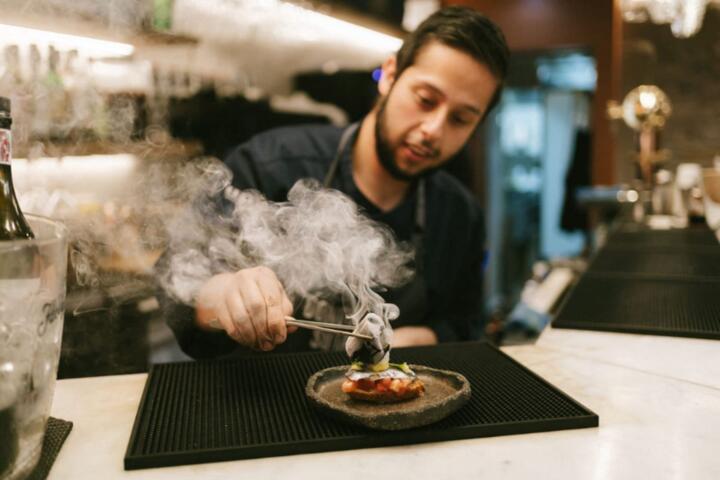
Practical excellence here is seen in the "Product-First" approach. At Mugaritz, for example, Chef Andoni Luis Aduriz may serve a dish consisting of a single, perfectly aged carrot or a "stone" made of edible clay. This level of conceptual dining requires a shift in mindset from the consumer: you are not just buying a meal; you are participating in a multi-sensory performance that costs between €250 and €350 per person, excluding pairings.
High-End Dining Pitfalls
The most frequent error travelers make is treating San Sebastian like a standard European city where a "walk-in" might work for a top-tier table. In reality, the 12-month booking window for places like Elkano or Akelarre often fills within hours of opening. If you wait until you land at San Sebastian Airport (EAS), you are already too late for the premier experiences.
Another significant pain point is "tasting menu fatigue." Many diners book consecutive nights at three-star venues, only to find that the 20+ course sequences become physically and mentally exhausting. This leads to a sensory burnout where the nuances of the 15th course are lost. Over-scheduling also ignores the vital role of the Txikiteo (the traditional crawl), which provides the cultural context for the fine-dining scene.
Finally, there is the "Dress Code Dilemma." While some international guides suggest formal attire, the Basque approach is "elegante pero informal." Showing up in a tuxedo at Arzak might actually make you feel more out of place than wearing a well-tailored blazer. Misinterpreting these social cues can lead to a stiff, uncomfortable evening that detracts from the flavor profiles of the food.
Gourmet Recommendations
The Three-Month Reservation Protocol
To secure a table at the "Big Three" (Arzak, Akelarre, Martin Berasategui), you must utilize digital booking platforms like SevenRooms or the restaurant’s proprietary systems exactly 60 to 90 days in advance. For Elkano—often cited as the world’s best seafood grill—phone calls are often more effective than emails. Always have a "backup" list of Michelin-recommended (but non-starred) gems like Bodegón Alejandro to fill gaps.
Balancing Modernism with Fire and Smoke
A sophisticated itinerary balances the molecular gastronomy of Mugaritz with the primal wood-fire techniques of Asador Etxebarri (located in nearby Axpe). This contrast provides a full spectrum of the Basque palate. While Mugaritz challenges the intellect with "techno-emotional" cooking, Etxebarri focuses on the purity of the ingredient, using specific woods (like holm oak for meat and vine shoots for fish) to impart subtle flavors.
Leveraging Local Concierge Expertise
If online systems show no availability, use services like "San Sebastian Food" or the concierge at luxury hotels like Maria Cristina. These entities often have "held" tables or direct lines to the Maître D'. This is particularly useful for the "Last Minute Cancellations" which frequently occur around 11:00 AM on the day of the reservation. Establishing a relationship with the house staff can yield results that automated apps cannot.
Mastering the Pintxo-to-Plate Transition
Fine dining in San Sebastian should always be preceded by a targeted Pintxo tour in the Parte Vieja, but with a strict limit. Use the "Gilda" (an olive, anchovy, and pepper skewer) as a palate cleanser rather than a meal. Professional diners often visit Ganbara for their famous wild mushrooms before heading to a seated dinner. This integrates the street-level soul of the city with its high-end achievements.
Optimizing the Beverage Strategy
While Rioja is the default, true experts focus on Txakoli, the local effervescent white wine. Look for "Single Vineyard" Txakolis at Akelarre that offer the acidity needed to cut through the rich, collagen-heavy sauces typical of Basque fish dishes. For red enthusiasts, ask for older vintages of Viña Tondonia, which pair exceptionally well with the grilled meats of the region.
Understanding the Seasonal Ingredient Cycle
Timing your visit to specific harvest windows enhances the E-E-A-T of your dining experience. In spring, focus on Tear Peas (green caviar); in autumn, focus on white truffles and wild game. A diner who requests the "Angulas" (baby eels) in January shows a level of expertise that usually prompts the kitchen to send out "off-menu" extras, as it signals a deep respect for seasonal traditions.
Real-World Success
The "Sold Out" Recovery
A group of four travelers arrived in San Sebastian in June without reservations for any starred restaurants. They utilized a local Gastronomic Society (Sociedad Gastronómica) contact to gain entry into a private club for lunch, while simultaneously setting "Availability Alerts" on TableCheck. Within 48 hours, they secured a lunch slot at Martin Berasategui due to a cancellation. The result: A 12-course meal featuring the legendary 1995 Mille-feuille of smoked eel and foie gras, an experience they previously thought impossible.
The Comparison of Styles
A solo diner decided to test the "Service vs. Science" debate. They visited Akelarre for its panoramic views and polished service, then Mugaritz for its experimental approach. By documenting the differences in "plate interaction," the diner discovered that while Akelarre provided 100% satisfaction in comfort, Mugaritz provided a 200% increase in culinary knowledge. This highlights the importance of choosing a venue based on the desired emotional outcome rather than just the star count.
Top-Tier Comparison
| Restaurant | Primary Style | Difficulty to Book | Signature Element |
|---|---|---|---|
| Arzak | Modern Basque Heritage | High (90 days) | The "Flavor Lab" research center |
| Martin Berasategui | Technical Perfection | Medium-High | Most starred chef in Spain |
| Akelarre | Visual Avant-Garde | Medium | Stunning Bay of Biscay views |
| Mugaritz | Conceptual/Radical | High (Seasonal) | No traditional menu; 20+ "surprises" |
| Elkano | Mastery of Fire | Very High | Whole grilled Turbot (Rodaballo) |
Mistakes and Corrections
Mistake: Arriving too early. Dinner in San Sebastian rarely starts before 8:30 PM. Arriving at 7:00 PM often means you will be the only person in the dining room, killing the atmosphere. Correction: Embrace the Aperitivo hour. Spend that time at a cider house (Sagardotegia) to get your palate ready with the natural acidity of Basque cider.
Mistake: Focusing only on the stars. Some of the best meals are found in "Bib Gourmand" or recommended spots like Zuberoa, which many locals argue is better than its starred peers. Correction: Diversify your portfolio. Use the Michelin App to find "The Plate" designations for high-quality cooking at half the price of a three-star venue.
Mistake: Ignoring the bread and butter. In elite Basque kitchens, the bread is often custom-baked by artisans like The Loaf. Correction: Pay attention to the side components. The butter at Martin Berasategui is often infused with local herbs and is a dish in itself. Don't fill up on it, but don't ignore the craftsmanship involved.
FAQ
What is the average cost of a three-star tasting menu?
Expect to pay between €260 and €330 per person for the food menu. Wine pairings typically add another €120 to €180. With water and coffee, a total of €450 to €500 per person is a realistic budget for the top-tier experiences.
Is there a strict dress code for these restaurants?
Most venues require "Smart Casual." For men, this means trousers (no shorts) and a collared shirt. Jackets are encouraged but not mandatory at Arzak or Akelarre. Avoid flip-flops and athletic wear at all costs.
Can these restaurants accommodate dietary restrictions?
Yes, but with a caveat. Most three-star kitchens require 48 to 72 hours' notice for severe allergies or vegan requirements. Mugaritz, due to its highly conceptual nature, is better suited for those without extreme restrictions, though they will accommodate where possible.
Which restaurant is best for a first-timer?
Martin Berasategui is often considered the most "accessible" for those new to fine dining. His flavors are clean, the technique is visible, and the service is exceptionally warm, making it less intimidating than the more experimental Mugaritz.
How far is the commute to these restaurants from the city center?
Arzak is a 10-minute taxi ride. Akelarre and Martin Berasategui are about 15-20 minutes away. Most restaurants are easily accessible via the local taxi app "Pidetaxi" or through your hotel's car service.
Author’s Insight
Having dined across the Basque Country for over a decade, I’ve learned that the secret to San Sebastian isn't just the food—it's the rhythm. My best advice is to never book two "heavyweight" meals in one day. I once made the mistake of doing a long lunch at Elkano followed by dinner at Arzak; by 10:00 PM, I couldn't appreciate the genius of the kitchen. Now, I always leave 24 hours between tasting menus. Also, always ask for a tour of the wine cellar; the collections in this region, particularly of French Champagnes and rare Riojas, are among the finest in the world.
Summary
Mastering the San Sebastian dining scene requires a blend of early planning, cultural awareness, and a willingness to be challenged. By prioritizing reservations three months out, balancing avant-garde meals with traditional fire-grilled fare, and respecting the local dining schedule, you ensure a world-class experience. Focus on the seasonal "Product-First" philosophy that defines the region, and remember that the best way to honor a three-star chef is to come with an open mind and a rested palate. Your actionable next step: download the Michelin App and set your calendar alerts for exactly 90 days before your arrival.