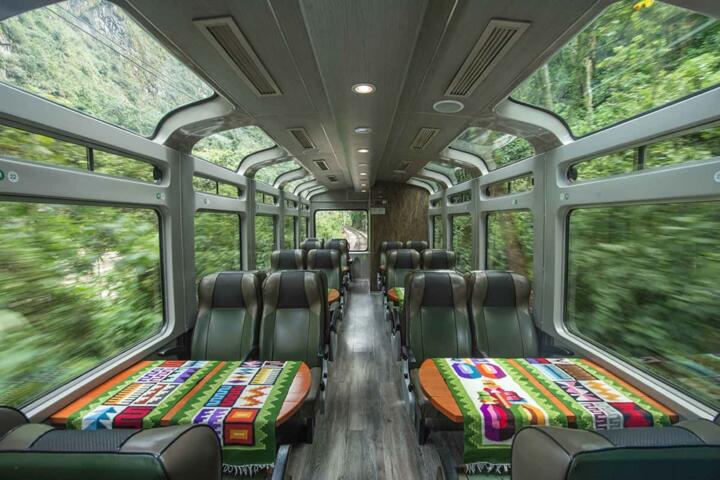
Peru Rail Classes And Metrics
Peru Rail offers multiple service classes on routes that connect major points in Peru’s Andes, including the rail corridor used for Machu Picchu access. “Service class” typically changes seat layout, space, meal service, and sometimes baggage rules, while “route metrics” describe how long the train runs, how far it travels, and how the itinerary is structured around pickup times and transfers. Those two topics interact: a longer journey can make seat comfort and meal timing matter more than the headline class name.
Route metrics also affect expectations. A schedule that lists a single travel time may hide the fact that boarding windows, station transfers, and platform procedures can add time. Altitude and weather can change how you feel during the ride, even when the published duration stays the same. If you plan to photograph at specific points, the train’s speed profile and daylight hours become part of the “metrics” you should check.
For planning, treat the class as a bundle of trade-offs and treat the route metrics as constraints. Then you can decide whether you want a quieter cabin, a meal-included option, or a departure time that matches your priorities for views and arrival timing.
Where Travelers Misread It
People often assume that class names map cleanly to “more comfort” in every respect. In practice, class differences can vary by route and by specific train configuration, and the same class label may not translate to identical seat pitch or meal format across itineraries. Another common mistake is reading only the total journey time and ignoring the station-to-station structure, which can include waiting periods and transfer steps.
Route metrics get misread when travelers treat distance as a proxy for time. Rail distance can stay similar while the schedule changes because of track constraints, crossing windows, or operational priorities. Some itineraries also include a return segment with different timing, so “outbound time” and “return time” should be checked separately.
Supporting technologies and dependencies shape what you experience. Seat comfort depends on carriage design and how the train is configured for that departure. Meal service depends on onboard staffing and the timing of service relative to station stops. Schedule reliability depends on rail operations, track availability, and weather conditions that can slow trains even when the route distance stays constant.
There’s also a practical dependency most travelers overlook: ticketing rules. Class upgrades, baggage allowances, and change policies can differ by fare type, and those rules can matter more than the seat description when plans shift.
How To Choose A Class
Match Class To Your Priorities
Start by listing what you will notice during the ride: legroom, meal timing, quietness, or flexibility. If you expect to eat during the journey, compare whether your class includes a meal and how service is timed relative to departure and arrival. If you plan to work or read, seat layout and table availability matter more than the class name.
When comparing options, look for concrete details in the booking flow such as seat type, meal inclusions, and whether there are restrictions on baggage size. If the site shows a seat map, check whether your preferred side has better sightlines for the route segment you care about; that detail rarely appears in generic descriptions. On one planning trip I did for a rail booking in 2024, the seat map version shown in the booking widget was “v3.2,” and the seat numbering changed after I refreshed—small, but it affected which seats were actually available.
For realistic outcomes, treat “more expensive class” as a higher probability of better comfort and service, not a guarantee. Seat pitch and meal format can vary by train set, and some departures may run with different carriage configurations.
Read Route Metrics Like Constraints
Use the published schedule to build a timeline that includes boarding time, station procedures, and transfer steps. If a departure is listed at 07:00 and arrival at 10:30, add buffer for platform access and any transfer between stations. Many travelers underestimate how long it takes to move from a station entrance to the boarding area, especially when multiple trains run.
Check the route segment you care about. For example, itineraries that connect to Machu Picchu typically involve a rail leg plus ground transfers at the destination area. The rail duration alone does not cover the full “door-to-door” time, so you should plan around the transfer window rather than the train’s headline duration.
Daylight matters for views and photography. If you want morning light, choose a departure that arrives before the sun angle changes. If you want fewer crowds at the destination, choose a departure that aligns with the earliest feasible arrival window, then verify the transfer schedule for that specific date.
Plan For Altitude And Weather
Altitude affects comfort even when the train ride is short. Many Andean rail routes pass through high-elevation areas, and some passengers feel breathlessness or headaches at higher elevations. Class choice does not remove altitude effects, but a quieter cabin and better seating can reduce fatigue.
Weather can change the experience more than the published metrics. Rain can reduce visibility and make station transfers slower; cold temperatures can make waiting outside uncomfortable. Pack layers and consider a small warm layer even in months that look mild on a city forecast.
A practical approach is to plan for “comfort first” on days with uncertain weather. If your itinerary depends on tight transfer timing, choose a class that reduces stress during the ride, such as one with meal service that avoids you having to manage food during station stops.
Verify Ticket Rules Before Booking
Before paying, compare fare conditions tied to the class. Look for change and cancellation rules, baggage allowances, and whether upgrades require a specific fare type. These rules can differ even when the seat category looks similar.
Use the booking confirmation details to cross-check what you actually bought. A common issue is assuming that a “class” label automatically includes meal service, when the fare terms may specify otherwise. If the confirmation email lists meal inclusion, keep it accessible offline.
For timing, check the check-in and boarding window stated for your departure date. If you arrive late, you may lose your seat even when the train time looks forgiving on paper.
Case Examples For Real Planning
Example 1: Comfort Vs. Timing
An anonymized traveler books a higher class for a morning departure to reduce fatigue at the destination. The traveler compares two options with similar rail durations but different arrival times. The earlier arrival supports a longer buffer for transfers, while the later arrival risks a tighter connection. The traveler chooses the earlier departure even though the seat category difference is smaller, because the transfer window drives the day’s stress level.
In this scenario, the route metrics matter more than the class label. The traveler also packs layers because the station transfer happens outdoors and the temperature drops after sunrise.
Example 2: Meal Included, But Check Terms
A second anonymized traveler selects a class that appears to include meals during the ride. After booking, the traveler reads the fare terms and finds that meal service timing depends on the specific departure and may be served as a set menu rather than a flexible dining window. The traveler plans around that schedule and avoids assuming they can eat at any time during the journey.
Here, the lesson is about dependencies: meal service depends on train operations and timing, so the booking terms and confirmation details carry more weight than a general class description.
Class And Metrics Checklist
| Decision Area | What To Check | Why It Changes Your Day | Practical Outcome |
|---|---|---|---|
| Service Class | Seat layout, meal inclusion, baggage rules | Comfort and timing depend on carriage setup | Less fatigue, fewer food-management steps |
| Journey Time | Outbound and return durations separately | Operational constraints can differ by direction | Better alignment with transfer windows |
| Distance | Use as context, not a time predictor | Speed varies with track and crossing windows | Avoid overconfidence in schedule math |
| Transfer Steps | Station-to-destination ground timing | Door-to-door time differs from rail time | Lower risk of missed connections |
| Weather And Altitude | Layering plan and comfort buffer | Visibility and comfort change with conditions | More predictable experience |
Step-by-step checklist for a booking decision: (1) open the departure date you plan to travel, (2) compare class details in the booking flow, (3) record outbound and return times separately, (4) map the transfer window at the destination area, (5) check fare terms for changes and baggage, (6) add a buffer for station movement, and (7) pack layers for outdoor transfer segments.
Common Mistakes To Avoid
Booking the cheapest class without checking meal inclusion can lead to a food gap during station stops, especially when the itinerary compresses time. Another mistake is assuming that a class upgrade guarantees a specific seat location; some seat assignments depend on availability at check-in or on the train set used for that departure.
Travelers also misjudge how long the day takes by using only the rail duration. Station procedures, transfer steps, and crowding at connecting areas can add time, and those delays rarely show up in the rail schedule.
Some people rely on screenshots of class descriptions from a different date. Class details can change with fare terms and train configuration, so the booking page for your exact departure date matters more than older notes. If you use a browser extension or saved page, refresh the booking details; I’ve seen seat availability change after a page reload on Chrome 126, which can make a previously selected option disappear.
Finally, avoid assuming that route metrics stay constant across seasons. Even when the route distance is stable, weather and operational constraints can shift timing, so build a buffer for transfers and arrival plans.
FAQ
What Do Peru Rail Service Classes Change?
Service classes typically change seat layout and comfort, meal service format, and sometimes baggage rules. The exact inclusions depend on the specific fare and departure, so the booking terms for your date matter.
How Should I Use Route Distance And Time?
Use published journey time to build your schedule and treat distance as context rather than a time predictor. Rail speed can vary due to track constraints and crossing windows.
Do Meal Inclusions Match Every Departure?
Meal service can vary by itinerary and operational timing. Check the fare terms and your confirmation details for your exact departure date.
Does Class Affect Altitude Or Weather Comfort?
Class does not change the altitude profile of the route. It can affect comfort during the ride, but weather and elevation still influence how you feel during transfers and waiting periods.
What Should I Verify Before Paying?
Confirm fare rules for changes and cancellations, baggage allowances, check-in/boarding windows, and whether your class includes meals. Then compare outbound and return times separately against your transfer plans.
Author's Insight
Service classes and route metrics work together: class affects how you experience the ride, while metrics determine how the day unfolds around transfers and daylight. The most reliable planning comes from reading the booking terms tied to your exact departure date rather than relying on general class descriptions. When schedules list only rail duration, travelers should add buffer for station movement and ground transfers. If you treat the itinerary as a set of constraints—timing, transfers, and comfort needs—you can choose a class that matches your priorities without assuming every departure behaves identically.
Key Takeaways
- Compare service classes using concrete booking details: seat layout, meal inclusion, and baggage rules.
- Use journey time for scheduling and treat distance as context, since speed varies by operations.
- Plan door-to-door timing by adding station and transfer buffers, not just rail duration.
- Check fare terms for your exact date to avoid surprises around meals, seat assignment, and changes.
- Pack for altitude and weather; class improves comfort but does not change elevation or conditions.