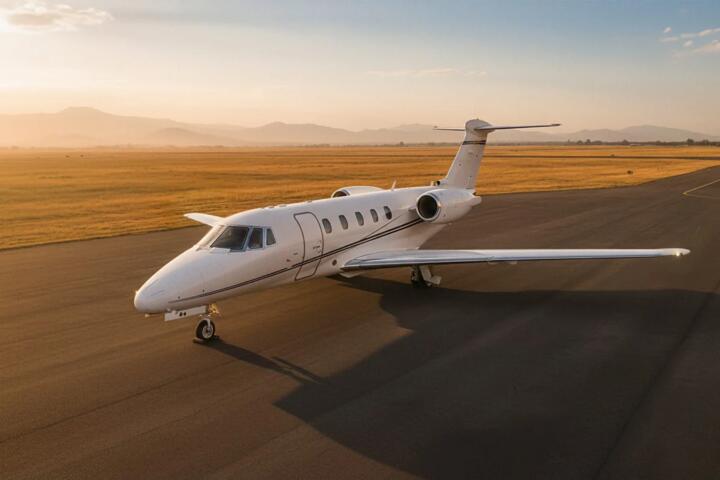
South America Private Airports
South America's private aviation scene centers around a handful of airports catering to executive and leisure travelers. Airports like São Paulo's Congonhas (CGH) and Rio de Janeiro's Santos Dumont (SDU) serve busy urban hubs, while others like Aeroparque Jorge Newbery (AEP) in Buenos Aires focus heavily on domestic private traffic. These airports vary widely in runway length, ramp space, and FBO (Fixed Base Operator) services.
The continent hosted approximately 16,000 private jet movements in 2023, with Brazil, Argentina, and Colombia leading operations. Some airports handle jets up to the Gulfstream G650 size, while others restrict aircraft based on runway length or noise regulations. Navigating slot restrictions adds a layer of complexity rarely found in less trafficked regions.
Private terminals, called executive terminals or general aviation terminals, differ sharply in quality and accessibility. Most offer customs and immigration but at varying hours—the busiest airports tend to be open 24/7, but smaller ones often close overnight. For operators, that means detailed pre-flight planning must include available airport services and curfew info, sometimes weeks ahead.
In Chile, Arturo Merino Benítez (SCL) airport features one of the largest private aviation aprons in the region, supporting a mix of international and domestic business jet traffic, with space for over 30 aircraft. Infrastructure investments there this decade improved ramp size and security, a key reason for regional preference among private operators.
Pitfalls in Airport Selection
A common oversight is assuming all South American airports offer similar service levels and processing times. Many private flight planners underestimate wait times for customs or fuel availability, especially outside major cities. In smaller airports, fuel runs out or services close early on weekends, which can cause costly delays or last-minute diversions.
Operators unfamiliar with local regulations may face unexpected fees or documentation requirements. Brazil's ANAC often requires advance clearance for foreign-registered jets, and Argentina's ANAC imposes tight noise restrictions impacting night operations. Overlooking these rules can lead to fines or denied landings.
Another error lies in runway length assumptions. Equipping for large-cabin jets requires at least 2,000 meters of runway in South America, but many secondary airports have shorter runways. Trying to operate Gulfstream G650s or Bombardier Globals out of insufficient runways risks safety and legality.
Slot acquisition is complicated in cities like São Paulo or Buenos Aires. With domestic demand soaring, booking slots only days in advance often fails, particularly during peak times such as the carnival or major trade fairs.
These issues translate to operational headaches. Flight delays, added fuel burns from diversions, or unexpected overnight stays increase trip costs and disrupt schedules. One missed airport detail can unravel an itinerary.
Effective Airport Use Steps
Choose Airports by Runway Data
Start by verifying runway length and strength ratings. Data from Jeppesen or AirNav shows that São Paulo CGH features 1,940 meters of asphalt runway, suitable for midsize jets but tight for heavy long-range types. That filter keeps unsafe options off your list. Compare multiple sources to catch updates; runway repaves or taxiway closures often happen with little notice.
Confirm FBO Services and Hours
Check which FBOs operate at your airport. Icon Aviation at Rio's SDU and Pluna FBO in Uruguay provide handling, security, and pilot services but differ in operational hours and support scope. For example, Icon offers dedicated customs agents on call but closes at midnight weeknights; therefore, flights arriving after must arrange agents ahead, or risk delays.
Account for Fuel Availability
Not every South American airport stocks Jet-A in quantities needed for jumbo business jets. Aeropuertos Argentina 2000 lists fuel availability on their portals; their data for smaller airports like Chapelco (CPC) shows limits to 30,000 liters per day—a significant cap for multiple large operators simultaneously. Confirm fuel types and reserves months before travel.
Learn Local Customs Procedures
Most regional private terminals offer immigration but only during certain hours; Lima’s J Chavez Intl. (LIM) customs operate 16 hours daily but close Sunday nights. Employ services such as Universal Aviation, who provide local agents and customs assistance in Brazil and Peru, decreasing paperwork errors and wait times dramatically.
Book Slots Early
Airports like Buenos Aires’ Ezeiza and São Paulo GRU are slot-controlled year-round. Apply for slots at least 21 days before arrival. Using third-party slot brokers with local contacts can speed this; some operators rely on tragicom commercial brokers known to work 'off-cycle' agreements when official windows close.
Prepare for Weather and Runway Conditions
At Rio de Janeiro's Santos Dumont, fog and low visibility sometimes restrict landings from July to August. Pilots must file alternate airports accordingly. Also, some high-altitude airports like Bogotá (ELD) impose performance penalties requiring longer runways under hot conditions. Integrate METAR/TAF briefings with operational checks.
Maintain Regulatory Compliance
File flight plans early and submit all required permits to Anac Brasil or Argentina’s Dirección Nacional de Aviación Civil. Forgetting paperwork means delays or refusals. Use flight planning tools like ForeFlight or specialized regional services like GlobalJet Services for compliance tracking on version 12.3.
Use Dedicated Concierge and Handling
Consider using ExecuJet or Jetex services that manage ground handling end-to-end, reducing turnaround time. Their local offices in São Paulo and Santiago boast 20-minute average ramp times from landing to taxi out, a boon for short business visits.
Cross-Check Noise and Curfew Rules
Many airports impose noise restrictions between 11 pm and 6 am. São Paulo Congonhas applies strict noise abatement measures. Failing those rules can lead to operational denial or fines reaching up to $10,000 per event.
Airport Use Examples
A regional mining company flying from Belo Horizonte to Calama, Chile, struggled with last-minute flight plan denials at Pampulha Airport (PLU) due to fuel shortages and paperwork. Switching to Tancredo Neves/Confins (CNF) with longer runways and 24/7 FBO service cut delays from 8 hours to under 90 minutes on the next trip.
A Latin American film production leased jets for location scouting across Argentina and Paraguay. By partnering with a local FBO network offering integrated customs and fuel services, they cut ground times by 40% and avoided repeated fines for missing slot allocations during Buenos Aires film festivals. Their scheduling improved markedly.
Airport Comparison Table
| Airport | Runway (m) | FBO Services | Hours |
|---|---|---|---|
| São Paulo CGH | 1940 | Varied, 2 FBOs | 06:00-00:00 |
| Rio SDU | 1323 | Icon Aviation | 06:00-00:00 |
| Buenos Aires AEP | 2590 | Multiple | 24 hrs |
| Santiago SCL | 3600 | ExecuJet | 24 hrs |
Common Errors and Fixes
Failing to check airport curfews causes late-night diversions. Always request recent airport NOTAMs within 24 hours before departure. Missing fuel reserves deadlines hits hardest because you can’t turn flights around quickly if the station runs dry. Many operators forget to pre-arrange customs clearance, leading to grounding the jet on arrival.
Assign one team member to track slot applications and local regulatory changes. This alone cuts repeated denials and fines. Never assume official websites stay updated; corroborate information via trusted local handlers on WhatsApp or Telegram groups. Those little personal networks often save the day.
Ignoring airport ramp space during large conference weeks results in unexpected delays or diversions. Planning in advance, including alternate airports within 100 miles, mitigates risk better than last-minute route changes.
FAQ
Which South American airport hosts most private jets?
São Paulo Guarulhos (GRU) leads volume due to Brazil’s economic size and international connectivity, with 40% of continent’s private movements.
Are customs services always available at private airports?
No, hours vary widely. Many smaller airports close immigration offices after business hours; pre-arranging agents is common.
Can all business jets land at these airports?
Runway length and strength limit aircraft size. Some airports only accommodate light to midsize jets safely.
How early should slots be booked?
At major airports, at least three weeks in advance increases chances. Closer to events may require more lead time.
Are fuel services reliable in remote South America airports?
Not always; quantities and availability can vary. Confirm with FBOs before flight, especially for long-range jets.
Author's Insight
Having coordinated private flights across South America since 2010, my experience shows local airports demand granular preparation. Overlooking runway limits or customs hours costs far more than that initial planning effort. Operators relying on minimal local knowledge often burn hours on unplanned holds or diversions. An often-skipped step: tapping into local handler contacts. They hold the real-time info that updated databases and flight plans miss. The difference between a smooth overnight versus a stranded crew often lies there.
Key Points
Choosing the right South American private airport requires detailed knowledge of runway specs, FBO offerings, customs hours, fuel availability, and slot rules. The few top-tier airports support heavy jets well, but many regional fields need extra planning to avoid delays or fines. Confirm services, arrange slots early, and connect with trusted local handlers to keep operations efficient and flexible. Your jet is only as fast as the ground support under it.