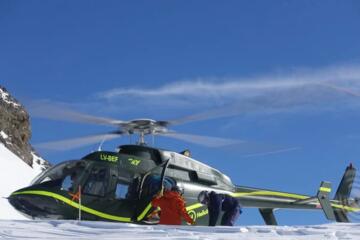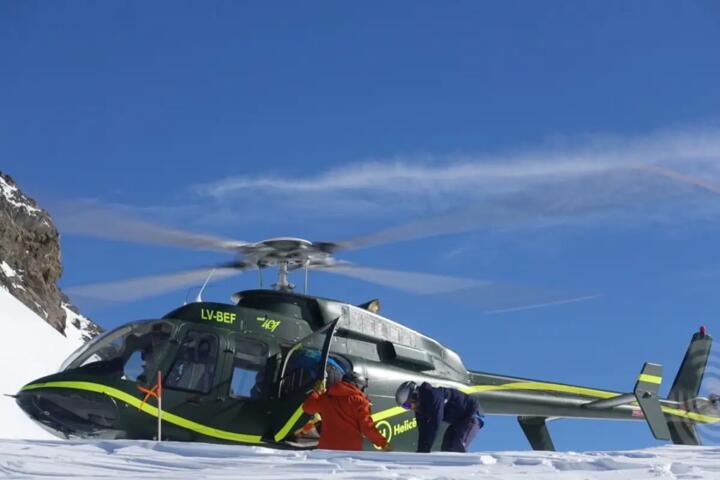
Patagonia Helicopter Transfers
Helicopter transfers in Patagonia are used when a road route takes too long, when a lodge sits far from public access, or when seasonal conditions make driving impractical. Common examples include flying from a regional airport to a remote estancia, moving between a cruise port and a landing area, or reaching a trailhead where the last segment is unpaved and time-sensitive.
Costs vary widely because the price is usually built around flight time plus operational constraints. Operators also price for the realities of Patagonia weather: wind, low cloud ceilings, and changing visibility can shrink the usable window for a landing or a pickup. If you have a fixed itinerary, you may pay for flexibility—either through rescheduling fees or by booking a larger time block than you expect.
In practice, a “transfer” quote can include different elements: aircraft time, pilot time, landing fees, passenger handling, and sometimes transfers by vehicle to the helipad. The same route can price differently depending on whether the pickup point is a formal helipad with approach procedures or a temporary landing area that requires extra coordination.
What Drives The Cost
Travelers often underestimate how many variables sit behind a helicopter transfer quote. The biggest driver is usually the total flight time, but flight time alone rarely explains the final number.
First, landing and pickup logistics matter. A helipad with clear access and established procedures can reduce time on the ground, while a remote landing area may require additional coordination, extra ground staff, or a second attempt if wind shifts. Second, aircraft type changes pricing. Larger helicopters can carry more passengers and baggage, but they may cost more per hour and still require suitable landing conditions.
Third, weather risk changes how operators price uncertainty. If the operator expects a narrow weather window, the quote may include a standby buffer or a plan for alternate landing sites. Fourth, seasonality affects availability. Patagonia has peak periods when aircraft and pilots are booked for multiple clients, and that can raise rates even for similar distances.
Supporting technologies also influence cost. Operators rely on flight planning tools, weather feeds, and navigation systems to decide whether a route and landing are feasible. When a route requires more conservative planning due to terrain and wind, the “short” distance can still translate into longer time aloft.
One practical detail that often gets missed: baggage weight and size can change how many passengers fit comfortably. If you pack heavy duffels, the operator may switch to a different configuration or ask you to reduce luggage, which can affect the aircraft choice and the final price.
How To Get A Real Quote
Ask For A Line-Item Quote
Request a quote that breaks down what you are paying for: aircraft time, number of passengers, baggage limits, pickup and drop-off points, landing fees, and any ground transfer included. If the operator quotes only a single number, ask what is included and what triggers extra charges. A line-item quote reduces surprises when you compare options.
When you request the quote, share your exact dates and a realistic arrival time. If you arrive late, the operator may treat it as a new scheduling block. I’ve seen quotes change after a one-hour shift in pickup time, and the operator blamed the need to re-sequence flights across multiple clients.
Also ask whether the price includes waiting time. Some operators price waiting as a separate hourly block; others include a short buffer. Clarify how they handle a missed connection due to weather, not due to your schedule.
Plan For Weather Windows
Patagonia weather can force delays, and helicopter operations depend on ceiling, visibility, and wind limits. Ask the operator what weather thresholds they use for takeoff and landing, and how they decide between holding, rerouting, or canceling. You are not asking for guarantees; you are asking for the decision rules.
Request the operator’s policy for rescheduling after a weather delay. Some contracts allow a reschedule within a defined period; others charge for rebooking aircraft time. If your itinerary is anchored to a specific activity start time, ask whether they can coordinate with your lodge or tour operator to adjust the schedule.
Keep a buffer in your plan. Even a well-run operation may need multiple attempts to land at a specific site when wind direction changes. If you have a tight day, the helicopter may become the limiting factor rather than the solution.
Estimate Cost Using Distance Blocks
Use a distance-and-time approach to sanity-check quotes. Ask the operator for the planned route and expected flight time, then compare it to the distance between your pickup and drop-off points. Helicopter flight time can be longer than road distance suggests due to terrain, routing, and wind.
As a rough planning method, treat quotes as “per flight block” rather than “per kilometer.” For example, a short hop between nearby helipads can still cost meaningfully if the aircraft must reposition from another job. Conversely, a longer transfer may not scale linearly if the operator already has the aircraft staged nearby.
When you compare two quotes, compare the included ground transfers and landing fees. A cheaper quote can hide extra vehicle time to reach the helipad, or it can exclude landing fees at the destination.
Check Aircraft Capacity And Baggage
Confirm passenger count and baggage limits in writing. Helicopters have weight-and-balance constraints, and operators may require passengers to distribute weight evenly. If you travel with bulky gear—winter layers, boots, or camera cases—ask whether the operator provides guidance on packing size.
Ask whether the quote assumes a specific aircraft model. If the operator reserves the right to swap aircraft based on availability, ask how that affects capacity and baggage handling. A change in aircraft can alter the number of trips needed, which changes the total cost.
One small but practical detail: some operators ask for passenger names and passport details in advance for manifest and weight planning. If you delay sending details, the operator may not be able to finalize the flight plan on time, and that can affect scheduling.
Educational Case Examples
Example 1: Airport To Remote Lodge
A traveler books a helicopter transfer from a regional airport to a remote lodge. The operator quotes a single transfer price for two passengers with standard carry-on luggage. After the traveler adds a third passenger and extra ski bags, the operator revises the quote because the original aircraft configuration no longer fits within weight limits and baggage volume.
The revised quote includes a different aircraft and a longer flight block, plus a short ground transfer at the lodge side. The traveler reduces baggage by using smaller duffels and confirms the revised passenger manifest. The final cost aligns with the operator’s updated line-item breakdown, and the traveler avoids a second trip.
Example 2: Cruise Port To Landing Area
A couple traveling on a cruise requests a helicopter transfer from a port area to a nearby landing zone for an excursion. The operator provides two options: a direct flight with a tight weather window and a slightly longer route that uses an alternate landing site. The direct option is cheaper, but the contract states that if weather prevents the landing, the operator may cancel without refund or may reschedule to the next available window.
The couple chooses the longer route option because the excursion has a fixed time slot on the cruise schedule. The operator’s plan includes a standby buffer and specifies that the helicopter will wait for a defined period if the ship’s docking time changes. The final cost is higher than the direct option, but the risk of missing the excursion is lower.
Cost Checklist And Comparison
| Decision Factor | Lower-Cost Quote Often Means | Higher-Cost Quote Often Means | What To Ask |
|---|---|---|---|
| Flight Time Basis | Short block with minimal buffer | Longer block or staged repositioning | Expected flight time and whether waiting is billed |
| Landing Fees | Landing fees excluded | Landing fees included | Which helipads are included and who pays fees |
| Weather Risk | Tighter landing plan | Alternate landing plan or standby | Cancellation and reschedule policy after weather delays |
| Aircraft And Capacity | Assumes specific baggage limits | More capacity or different configuration | Passenger manifest requirements and baggage size/weight rules |
Use this checklist when comparing quotes: confirm pickup and drop-off points, verify whether ground transfers are included, request the planned flight time, ask about waiting time billing, confirm baggage limits, and review weather delay terms in writing. If two quotes differ on any of these items, treat the price difference as a difference in service, not just a difference in cost.
Common Mistakes To Avoid
One frequent mistake is comparing helicopter quotes without aligning the landing sites. A “same distance” transfer can involve different helipads, different approach constraints, and different landing fees.
Another mistake is assuming that the quoted time is the total time you will spend traveling. Ground coordination, passenger manifest checks, and potential waiting for weather can add time even when the flight itself is short.
Travelers also underestimate how baggage rules affect the aircraft choice. If you show up with oversized gear, the operator may require repacking or may need a different aircraft, which can trigger extra charges.
Some people book a helicopter transfer as a single point of failure for a tight schedule. If the transfer is delayed, the rest of the day can collapse. A mild frustration is common here: the operator’s weather policy may be clear, but the traveler’s itinerary may not have a fallback plan.
Finally, avoid relying on verbal estimates. Ask for written terms covering cancellation, rescheduling, and any additional fees for changes in passenger count or pickup time. A quote dated 2026-08-17 may still be valid only for a defined window, and operators sometimes update pricing based on aircraft availability.
FAQ
How are helicopter transfer prices calculated?
Most operators price by aircraft time plus operational factors such as landing fees, ground handling, aircraft type, and weather-related standby or buffer time. A written quote should list what is included and what triggers extra charges.
What weather conditions can cancel a transfer?
Helicopter operations depend on wind, visibility, and cloud ceiling. Operators typically set thresholds for safe takeoff and landing and may switch to alternate landing sites or reschedule when conditions fall outside those limits.
Do I pay extra if my pickup time changes?
Often yes. Many contracts treat schedule changes as a new booking block, especially when the aircraft is already sequenced for other clients. Ask how waiting time and late arrivals are billed.
How much baggage can I bring?
Baggage limits depend on aircraft capacity and weight-and-balance planning. Ask for size and weight guidance and confirm whether bulky items require repacking or a different aircraft configuration.
Is a helicopter transfer safer than driving in Patagonia?
Safety depends on the specific route, weather, and operator procedures. Helicopters reduce exposure to long road segments, but they introduce aviation risk and weather constraints; the best comparison comes from the operator’s safety record, licensing, and your itinerary’s constraints.
Author's Insight
Helicopter transfers in Patagonia behave like a scheduling and risk-management problem, not a simple “distance equals cost” calculation. The quote usually reflects aircraft staging, landing logistics, and weather decision rules, which is why two similar routes can price differently.
For decision support, treat the quote as a contract package: included items, rescheduling terms, and baggage constraints. If you want a fair comparison, align pickup and drop-off points, confirm whether waiting time is billed, and ask for the planned flight time and alternate landing approach.
When operators share operational details, such as the use of specific flight planning software versions (for example, a tool labeled “v3.2” in their internal workflow) it often signals that they manage planning steps consistently, even if they cannot guarantee outcomes.
Key Takeaways
- Patagonia helicopter transfer costs depend on flight time plus landing logistics, aircraft choice, and weather-related buffers.
- Request line-item quotes and compare the included helipads, ground transfers, and waiting-time rules.
- Plan schedule slack for weather delays and review rescheduling or cancellation terms in writing.
- Confirm passenger and baggage limits early to avoid aircraft changes and added trips.