Introduction to Michelin Dining
Michelin stars signal culinary excellence. Europe hosts the bulk of these coveted awards, with over 300 restaurants boasting at least one Michelin star. Cities like Paris and Barcelona have long held reputations as fine dining capitals. For example, Paris alone counts more than 100 Michelin-starred restaurants. This concentration attracts food lovers willing to travel for dishes crafted by chefs mixing tradition with modern finesse.
Such cities offer unique experiences: tasting menus that change seasonally, rare ingredient sourcing, and meticulous service standards. These factors combine to create gastronomic journeys few other places match.
Common Dining Pitfalls
Many travelers overestimate Michelin stars as merely luxury status symbols. They overlook the importance of local culinary culture integrating with global trends to shape these restaurants. Assuming all Michelin-starred eateries are prohibitively expensive also leads to missed opportunities. Some starred spots offer lunch menus under 50 euros, making them accessible.
Failing to book early enough often results in disappointment. Michelin-star venues typically fill quickly, requiring reservations months ahead. Without that, even knowing the right city won’t help you experience the best dishes.
The consequences: wasted trips, overspending, or dining at tourist traps labeled “Michelin recommended” but far from star quality.
Dining Solutions and Tips
Research in Depth
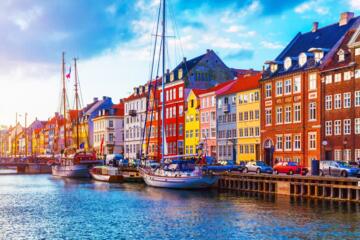
Identify cities by Michelin star density and culinary style. Use official Michelin guides, not just social media hype. Tools like the Michelin online restaurant finder track availability and updated ratings. For instance, Copenhagen’s rise owes partly to Noma and its innovative Nordic cuisine moving beyond French-centric dining.
Book Early and Flexibly
Reserve tables 3+ months in advance, especially for two or more guests. Weekday slots usually have less competition than weekends. Some apps, such as TheFork or OpenTable, facilitate last-minute cancellations, a useful trick for snagging spots.
Explore Tiered Options
Don’t focus only on three-star eateries. Cities like London and Milan feature many one and two-star restaurants offering world-class meals without the intimidating price tag. These settings often mix creativity with local flavors – a softer introduction than flagship establishments.
Leverage Seasonal Visits
Dining experiences vary by season due to ingredient availability. Visiting Lisbon during autumn brings wild mushroom menus, unmatched at other times. Planning visits to coincide with such offerings can heighten enjoyment considerably.
Use Concierge Services
High-end hotels or specialized travel agents often secure reservations otherwise impossible. Concierge staff understand restaurant trends and can advise best timing or alternative venues when your first choice is booked out.
Immerse in Local Cuisine
Michelin-starred does not mean detached from tradition. In Lyon, for example, one-star spots serve bouchon-style dishes elevated with precision. This connection to cultural roots ensures memorable meals with authenticity beyond aesthetics.
Try Tasting Menus
Tasting menus condense a chef’s vision into curated courses. They expose diners to surprising flavors and textures. Restaurants like Osteria Francescana in Modena offer multi-course menus featuring both classic and experimental dishes paired with regional wines.
Respect Dress Codes
Understanding a restaurant’s atmosphere signals respect and enhances the dining mood. Most star establishments require smart casual attire; ignoring this might prevent entry despite having reservations.
Be Open to New Techniques
Many top Michelin chefs use molecular gastronomy or fermentation methods. This surprise element, while unconventional, often excites palates – such as in Barcelona’s El Celler de Can Roca, where innovation meets Catalan tradition.
Real Dining Cases
A London couple once struggled to get dinner at The Ledbury, a two-star restaurant known for exceptional beef dishes. After two months of waiting, they used a concierge service via their hotel. The concierge secured a table in three weeks. They ended up ordering a la carte tasting menu, spending about £120 per person, celebrating their anniversary with highly personalized service—the experience justified every penny.
In Madrid, a food blogger missed booking early at DiverXO, Spain’s unique three-star venue. Instead, they explored Kabuki, a one-star restaurant offering Japanese-Spanish fusion. At around €70 for a tasting menu, the blogger found it innovative and more accessible for daily meals. The social media coverage increased Kabuki's patronage by 25 percent after the post—showing the power of smart choices.
Michelin City Comparison
| City | Stars Count | Cuisine Style | Avg Cost (Menu) |
|---|---|---|---|
| Paris | 100+ | Classic French | €80-€250 |
| Barcelona | 20+ | Catalan & Modern | €60-€180 |
| Copenhagen | 30+ | Nordic | DKK600-1500 |
| London | 70+ | Diverse, Modern | £50-£300 |
| Lisbon | 10+ | Portuguese | €40-€120 |
Typical Errors Made
Overestimating the luxury means skipping affordable starred venues. Some Michelin restaurants offer diners’ menus that cost less than local casual dining, surprisingly. Ignoring local food customs can ruin expectations; for instance, expecting Parisian portions in Oslo’s Nordic spots leads to frustration.
Assuming non-Michelin places lack quality turns you away from hidden gems. Several cities have excellent bistros just shy of Michelin stars. Avoid sticking only to tourist areas; genuine culinary innovation happens in suburbs or less-known districts.
Finally, neglecting language barriers can complicate ordering or understanding the menu. Using translation apps or learning key terms enhances communication significantly.
FAQ
Which European city has most Michelin stars?
Paris leads with over 100 Michelin-starred restaurants, followed by London and Copenhagen with 70+ and 30+ respectively.
Are Michelin-starred restaurants always expensive?
Not necessarily. Many offer lunch menus or tasting menus under €50-€70, making top-tier cuisine accessible to diverse budgets.
Do I need to book far in advance?
Yes. Three months ahead is standard for popular restaurants. Weekday and off-season reservations tend to be easier.
Can I rely on Michelin stars for local specialties?
Often yes. Michelin recognizes chefs elevating local cuisine authentically, not just French classics.
Is tipping customary in Michelin-starred restaurants?
Tipping varies by country. In France and Spain, service is usually included. Elsewhere, leaving 10-15% is polite but not mandatory.
Author's Insight
My travels through Europe’s Michelin cities repeatedly show how unfamiliarity with local customs narrows chances for great meals. I learned booking early, using hotel concierges for VIP access, and tasting menus reveal chefs’ essence best. Not every Michelin venue demands a hefty budget, and sometimes one-star spots thrill more than three-star temples crowded beyond reason.
These experiences helped me approach dining with curiosity and flexibility rather than rigid expectations—a mindset I recommend to those exploring Michelin-star locals.
Summary
European cities offer unmatched Michelin-star dining, but success depends on research, timing, and openness. Reservations made months early, exploring mid-tier stars, and aligning visits to seasonal menus enrich experiences. Embracing local traditions and modern innovation alike fosters meals remembered long after. The best culinary adventure begins by understanding each city’s unique gastronomic identity and patiently planning to access it.