August And Southern Europe
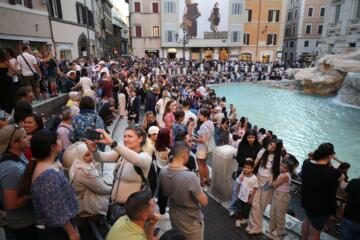
August in Southern Europe changes travel more than most people expect because it combines high temperatures, intense sunlight, and peak demand on transport and services. In many coastal and city destinations, locals also take holidays, so opening hours, appointment availability, and staffing patterns shift. That affects pharmacies, clinics, and even how quickly you can reach a bus or train after a delay. A practical example: a morning museum visit can feel calm at 9:00, while the same area at 15:00 may be crowded and uncomfortable, with longer lines and slower walking pace.
Heat stress is the health mechanism behind many August problems. When air temperature stays high and nights do not cool much, the body has less time to recover. Dehydration risk rises with sweating, and sunburn risk rises with stronger UV exposure. If you plan around the local daily rhythm—early outings, long midday breaks, and evening walks—you reduce both discomfort and the chance you’ll push through symptoms.
Main Problems And Pain Points
Travelers often misread August conditions as “just hot,” then underestimate how quickly heat affects judgment and physical performance. Heat exhaustion can start with mild signs like headache, heavy sweating, or dizziness, and it can progress if you keep walking, drinking alcohol, or delaying shade and fluids. Sunburn is not only painful; it can also worsen dehydration by increasing fluid loss and inflammation.
Another common issue is schedule mismatch. Peak season crowds can slow public transport, and some routes run less frequently than you expect outside commuter hours. In places where locals travel in August, you may find fewer staff at smaller clinics or longer waits at pharmacies. Even if a pharmacy is open, the specific product you need might not be on the shelf, which turns a minor problem into a time-consuming search.
Supporting dependencies matter. Heat risk depends on humidity, wind, and how much you can cool down indoors. Crowd risk depends on event calendars, beach access, and the layout of pedestrian zones. Health access depends on local clinic hours, emergency numbers, and whether you can communicate symptoms clearly. If you rely on a single plan—one bus line, one pharmacy, one clinic—August delays can cascade.
Solutions And Advice
Plan Around Heat Peaks
Use a simple daily structure: outdoor activity before late morning, indoor time during the hottest hours, and lighter movement in the evening. Many travelers find that starting at 8:00–9:00 and taking a 2–4 hour break reduces heat strain, especially in cities where pavement stays hot. Carry water and electrolytes if you sweat heavily; plain water helps, but electrolyte drinks can be useful when you’re losing salts through sweat. If you wear contact lenses, remember that dry air from air-conditioning can worsen eye irritation, which is common when you move between hot streets and cooled rooms.
A practical aside: on my own planning spreadsheets (I use Google Sheets version 24.0.0 from 2024-06), I mark “shade windows” and “cool-down windows” rather than just attractions. It prevents the classic mistake of stacking too many outdoor stops back-to-back.
Use Sun Protection That Works
Sun protection in August is not only about sunscreen. A hat with a brim, UV-blocking sunglasses, and breathable clothing reduce exposure even when you reapply sunscreen less often. Choose a broad-spectrum sunscreen with an SPF rating appropriate for your skin type and apply it before you go out; reapplication depends on sweat and time outdoors. If you burn easily, consider extra coverage like long sleeves made for hot weather rather than relying on sunscreen alone.
For hydration and skin care, keep a small kit: water bottle, sunscreen, lip balm with SPF, and after-sun lotion or a basic moisturizer. If you have a history of heat intolerance, migraine triggered by sun, or skin conditions that flare with UV, plan for earlier indoor breaks and avoid peak exposure days.
Reduce Crowd-Related Stress
August crowds increase the chance you’ll get separated from your group, miss connections, or spend longer than planned in queues. Build a buffer into your day: add 15–30 minutes for lines and walking, and avoid tight transfers between transport modes. If you’re traveling with children or older adults, plan routes with shade and restroom access, since waiting in heat can worsen dehydration.
Offline planning helps when networks get busy. Download maps and key addresses before you leave your accommodation, then check opening hours the day before. A mild frustration many travelers report: “the app says it’s open,” but the entrance is closed for a local holiday or staffing shortage, so a quick phone call or a second source can prevent wasted time.
Know Health Access Limits
Health access in peak season can be slower. Pharmacies may have limited stock, and clinics may prioritize urgent cases. Learn the local emergency number and the address of the nearest pharmacy that stays open late. If you carry prescription medicines, bring them in original packaging and keep a few days’ supply in your carry-on.
For minor issues like mild sunburn or heat rash, rest, cooling, and hydration often help, but symptoms that worsen—confusion, fainting, persistent vomiting, or severe headache—need urgent medical evaluation. If you have chronic conditions affected by heat, such as heart disease or kidney disease, follow your clinician’s travel guidance and consider discussing heat thresholds before departure.
Case Examples
Scenario 1: City heat and a delayed plan. A couple in Rome planned a full day of outdoor sights with only one indoor stop. By early afternoon, one traveler developed dizziness and a pounding headache after a long queue in direct sun. They moved to shade, drank water with electrolytes, and cooled down indoors for about an hour. The symptoms improved, but they shortened the rest of the day and avoided alcohol that evening.
Scenario 2: Beach day and medication access. A family in Spain brought a child’s prescription but left a spare dose at their rental. After a minor stomach upset, they needed a specific medication and found that the first pharmacy closed earlier than expected. They used the next-day plan: they checked nearby pharmacy hours in advance, carried a small list of generic names, and adjusted the day to indoor activities while waiting for the replacement. The key change was reducing reliance on a single pharmacy and building a backup route.
August Decision Checklist
| Decision Point | What To Check | Health Angle | Practical Outcome |
|---|---|---|---|
| Daily schedule | Outdoor stops before 11:00, indoor breaks midday | Less heat strain and lower dehydration risk | Fewer “pushing through symptoms” moments |
| Sun protection | SPF, brim hat, sunglasses, reapplication plan | Lower sunburn and skin inflammation | More comfortable walking and longer outdoor time |
| Transport buffers | Extra time for queues and transfers | Less time waiting in heat | Fewer missed connections and less stress |
| Health access | Nearest open pharmacy, emergency number, clinic hours | Faster response for minor issues | Less scrambling if you need medication |
Common Mistakes
Booking only “must-see” outdoor attractions without checking midday conditions is a frequent planning error. August heat can turn a manageable walk into a prolonged exposure, and the body’s cooling capacity drops when nights stay warm.
Another mistake is assuming that a pharmacy will stock the exact brand you use at home. Many medicines have different brand names, and some products may be regulated or stocked differently. Carrying the generic name written on a card helps, and bringing a small extra supply reduces the risk of running out.
Travelers also underestimate how crowding changes pacing. When lines are long, people often drink less because they do not want to leave the queue. That pattern can worsen dehydration, especially if you’re also eating salty foods.
Finally, people sometimes treat mild symptoms as “just fatigue” and keep pushing. If you feel faint, confused, or unable to cool down, that’s not a normal travel inconvenience; it’s a sign to stop outdoor activity and seek medical help if symptoms persist or worsen.
FAQ
Is August hotter than July?
In many parts of Southern Europe, August is among the warmest months, and heat can persist into the evening. Exact temperatures vary by country, coast versus inland, and humidity, so check local forecasts for your specific dates.
What health symptoms suggest heat exhaustion?
Common signs include heavy sweating or cool clammy skin, dizziness, headache, nausea, and weakness. If symptoms do not improve with rest, shade, and fluids, or if confusion or fainting occurs, seek urgent medical care.
How should I adjust sightseeing times in August?
Plan outdoor activities earlier in the day and schedule indoor breaks during the hottest hours. Add buffer time for queues and transport delays, since waiting in direct sun increases heat strain.
Do I need electrolyte drinks or just water?
Water helps for mild dehydration, while electrolyte drinks can be useful when you sweat heavily or lose salts through prolonged activity. If you have medical conditions that restrict fluids or sodium, follow your clinician’s guidance.
Will pharmacies and clinics be harder to reach in August?
Peak season can mean longer waits and reduced staffing at some smaller facilities, and opening hours may differ from other months. Identify nearby options before you need them and confirm hours the day before.
Author's Insight
August changes travel in Southern Europe mainly through heat exposure, crowding, and service availability during peak demand. Heat risk is driven by how quickly your body can cool and how long you remain in sun or crowded queues. Planning around midday breaks, using practical sun protection, and preparing for slower health access reduce avoidable problems. For medical concerns, the safest approach is to follow local guidance and seek urgent care when symptoms worsen or do not improve after cooling and hydration.
Key Takeaways
- Schedule outdoor time earlier and add midday indoor breaks to reduce heat strain.
- Use sun protection beyond sunscreen: hat, sunglasses, and breathable clothing.
- Build buffers for queues and transport delays so you spend less time waiting in heat.
- Find nearby pharmacy and emergency options before problems start, and carry generic medication names.