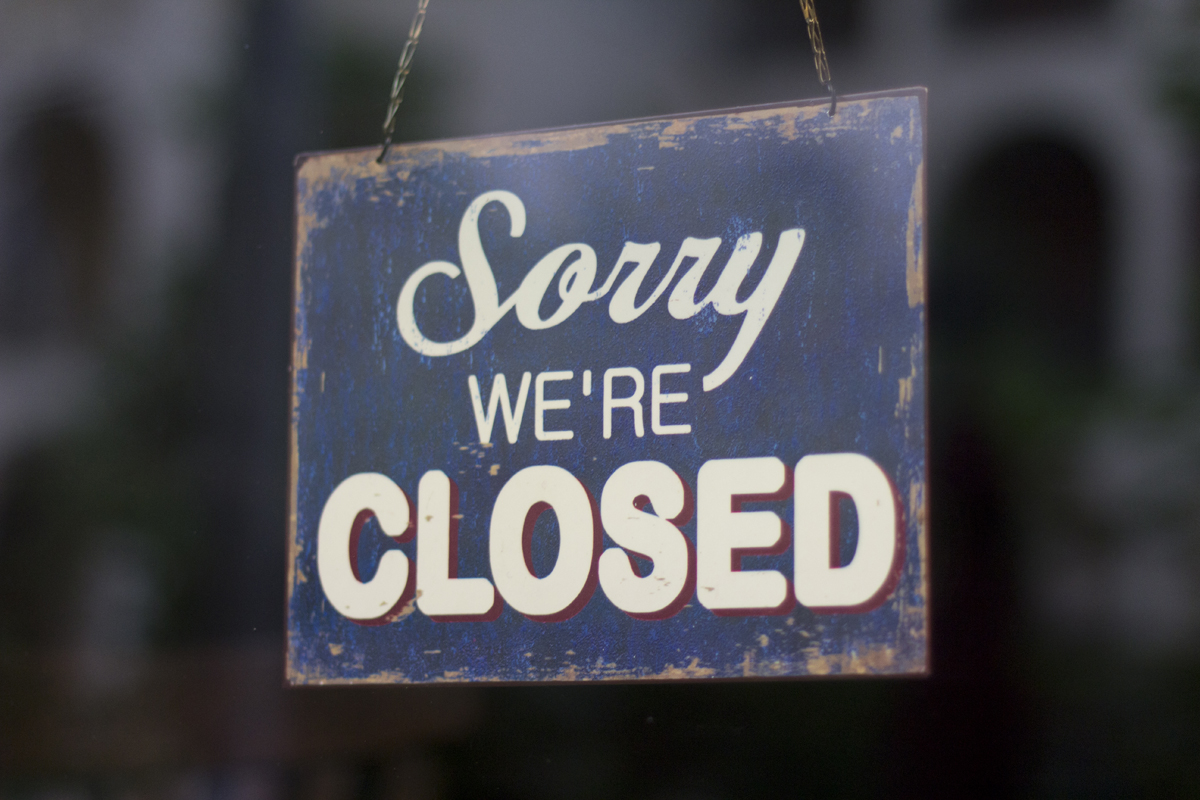
Sunday Closures Explained
Sunday closures happen because many businesses and public services follow weekly schedules set by labor rules, local customs, and licensing requirements. In some places, the default expectation is reduced staffing on Sundays, with fewer retail hours and limited medical availability. Pharmacies may open for shorter periods or switch to an on-call model, while clinics and government offices often remain closed or run only emergency services.
Travelers get caught off guard when they plan around weekday hours they saw online, then arrive on a Sunday that follows a different rule set. A museum listing might show “open daily” but still run a reduced Sunday program. A pharmacy near a train station might be open, while another branch two blocks away stays shut. Even when a place is open, services can be narrower: fewer staff, slower processing, and limited walk-in capacity.
One practical example: if you need a prescription refill on a Sunday, the nearest pharmacy might not stock the exact medication, and the pharmacist may require a valid prescription format that differs from what you used on Friday. Another example: if you rely on a government office for documents, you can find that only emergency or appointment-only services run on Sundays, and the appointment system may not accept new requests until Monday.
Main Reasons Travelers Misjudge
Many travelers assume “open” means “open the same way every day,” but Sunday schedules often change by staffing and legal constraints. Online listings can also lag behind real schedules, especially during holidays or local events. A listing might reflect a branch’s weekday hours, while Sunday hours are posted separately or only on the business’s own website.
Another common failure point is dependency on third-party services. Maps apps, travel directories, and aggregator sites sometimes cache opening hours. If a pharmacy changes its Sunday rotation, the update may take days to propagate. I’ve seen this with a versioned listing feed (for example, a map app update around 2024-11) where the “hours” field stayed frozen while the “status” field changed. That mismatch is easy to miss when you plan quickly.
Language and naming differences also matter. “Sunday” can appear as “Sun,” “So,” or local abbreviations, and some listings use local terms for religious holidays that shift dates. In some regions, Sunday closures overlap with statutory rest days, so a “Sunday open” assumption fails on a holiday that falls on a Sunday. When you’re traveling, you may not notice that the closure reason is tied to a specific date rather than the day of the week.
Finally, travelers often underestimate how “emergency” is defined. Emergency departments handle urgent medical issues, but non-urgent problems like routine prescription refills, administrative paperwork, or minor follow-ups may require a different pathway. That pathway might not exist on Sundays, or it might require calling a specific number first.
How To Plan Around Sunday Hours
Verify Hours From Primary Sources
Check the business’s own website or official social channels for Sunday hours, not just a directory listing. If the site lists hours by day, confirm the exact Sunday schedule and any holiday exceptions. If the site uses a rotating schedule (common for pharmacies), look for the rotation table or an “on duty” page.
Use a second source to cross-check when the primary source is unclear. A national pharmacy association site, a local health authority page, or a municipal notice often carries more reliable rotation information. If you rely on a map app, open the listing and look for “last updated” cues or a separate “Sunday hours” section. A small aside: I’ve found that copying the hours into your notes app helps when you lose signal later, especially if the listing page won’t load on roaming.
For medical needs, confirm the service type. A clinic may be “open” but only for scheduled appointments, while walk-ins are redirected. If the clinic has a phone line for Sunday triage, note the number and the expected call window.
Pre-Pack What You’ll Need
Sunday closures become less disruptive when you plan for the most common “arrival-day” needs: medications, basic supplies, and document access. If you take regular prescriptions, bring enough for the entire trip plus a buffer for delays. If you run out on Sunday, the refill process may require contacting your prescribing clinician, which may not be reachable until Monday.
For over-the-counter needs, consider carrying a small kit: pain relievers, antihistamines, oral rehydration salts, and any personal items you use during flare-ups. Many travelers assume they can buy everything locally, but Sunday retail hours can be limited and stock can vary by pharmacy.
If you need medical documents, scan them before you leave home. Some pharmacies and clinics require specific identifiers, and a Sunday visit may not include time for back-and-forth verification. A scan also helps if you need to contact a provider later for a prescription format change.
Use Local Emergency Pathways
For urgent symptoms, follow the local emergency pathway rather than trying to find a “clinic that’s open.” Emergency numbers and triage services differ by country, and some regions route non-life-threatening issues through a nurse line first. If you’re unsure, call the emergency number for guidance when symptoms are severe, rapidly worsening, or accompanied by red flags.
For non-emergency medical issues on Sundays, look for a “duty doctor” or “out-of-hours” service. Many countries publish a rota for after-hours care, and some require a call before you go. If you show up without calling, you may wait longer or be redirected.
When it’s about prescriptions, ask the pharmacist what they can do on Sunday. Some pharmacies can dispense with certain prescription formats, while others require a new prescription issued by a licensed clinician. The pharmacist can also advise whether a temporary supply is possible, but policies vary.
Plan Logistics Around Limited Services
Sunday closures affect more than medicine. Public offices, banks, and some transport services can run reduced hours, which matters for payments, document processing, and travel changes. If you need cash, exchange, or card verification, do it before Sunday. Some ATMs work, but card-based services can still be limited by bank hours or network maintenance.
For travel changes, check whether customer service channels accept requests on Sundays. Airline and rail apps often allow rebooking, but ticket office changes may not. If you need a printed document, confirm whether your accommodation can print it or whether you can access it offline.
For museums and tours, verify the exact Sunday schedule and whether timed entry is required. A venue might be open but run fewer time slots, which changes how you plan your day.
Case Examples From Realistic Scenarios
Scenario 1: Prescription refill on Sunday. A traveler arrives in a new city on Saturday evening and realizes their medication supply ends Sunday night. The nearest pharmacy listing says “open,” but the branch is closed on Sundays and the rotation is posted only on the pharmacy’s own website. The traveler calls the out-of-hours number listed on the local health authority page, receives guidance, and learns they need a prescription issued in the local format. The traveler arranges a Monday refill and uses a limited temporary supply the pharmacist can dispense under local rules.
Scenario 2: Government office for documents. A traveler needs a document notarization for a rental agreement and assumes the local office will accept walk-ins. The office is closed on Sundays, and the appointment system blocks new requests until Monday morning. The traveler had already scanned the required documents and contacts, so they can submit the request as soon as the system opens. They also adjust their rental start time to avoid a delay caused by the closure.
Sunday Closure Checklist
| Need On Sunday | What To Check First | Common Surprise | Backup Plan |
|---|---|---|---|
| Pharmacy | Rotation or “on duty” page; Sunday hours on the pharmacy site | Directory shows weekday hours; branch is closed | Duty pharmacy list; call to confirm stock and prescription format |
| Clinic Visit | Out-of-hours service; whether walk-ins are accepted | “Open” means scheduled only | Call triage line; use emergency pathway for red-flag symptoms |
| Documents | Holiday and Sunday closure notice; appointment rules | No walk-ins; system blocks new requests | Submit Monday; adjust timing; keep scanned copies |
| Payments | Bank hours; cash access; card network status | Reduced services at counters | Withdraw cash before Sunday; use offline payment options when possible |
Common Mistakes That Cause Delays
Relying on a single listing source is the most frequent planning error. Directory hours can be stale, and some sites update only when a user reports a change. If you plan around a Sunday visit, cross-check with the provider’s own page or a local authority notice.
Another mistake is assuming that “open” means “able to handle your specific request.” A pharmacy might be open but not dispense a particular medication without a local prescription format. A clinic might accept urgent cases but not routine administrative tasks.
Travelers also underestimate time for verification. On Sundays, fewer staff can mean longer waits for identity checks, insurance verification, or document review. If you arrive without the right paperwork, the delay can push you into Monday anyway.
Finally, many people pack for weekdays and forget Sunday logistics. If you run out of medication on Sunday night, you may spend Sunday searching for a duty pharmacy instead of resting. That search rarely matches the calm plan you had on Saturday.
FAQ
Are pharmacies always closed on Sundays?
Not always. Many places run reduced Sunday hours or a rotation where only certain pharmacies are on duty. Check the local rotation list or the pharmacy’s own “on duty” page.
Why do map apps show the wrong Sunday hours?
Hours data can be cached and updated slowly, and some providers publish Sunday schedules separately. Cross-check with the business website or an official local health notice.
What should I do if I run out of medication on Sunday?
Contact the local out-of-hours medical service or the duty pharmacy listed for that day. Ask what prescription format is required and whether a temporary supply is possible under local rules.
Can I get non-emergency care on Sundays?
Some regions offer out-of-hours clinics for non-emergency issues, often with call-first triage. Others route non-emergency cases to Monday appointments.
Do government offices stay closed every Sunday?
Most offices close on Sundays, but some locations run limited services such as emergency permits or appointment-only processing. Check the specific office’s closure notice for your date.
Author's Insight
Sunday closures reflect scheduling patterns tied to labor arrangements, licensing, and local public-service rules, so the day-of-week effect can be stronger than travelers expect. The practical risk comes from planning based on weekday assumptions and relying on cached hours from third-party listings. A reliable approach uses primary sources for hours, checks whether the service type matches your need, and prepares backups for medication and documents. When symptoms are severe or rapidly worsening, emergency pathways matter more than trying to find a “nearby open clinic.”
Key Takeaways
- Sunday hours often differ from weekday hours, and “open” can still mean limited services.
- Verify Sunday schedules using the provider’s own site or an official local notice, not only a directory.
- Plan for medication and document needs before Sunday, since refill and paperwork pathways may wait until Monday.
- For urgent symptoms, use local emergency or out-of-hours triage rather than searching for walk-in availability.