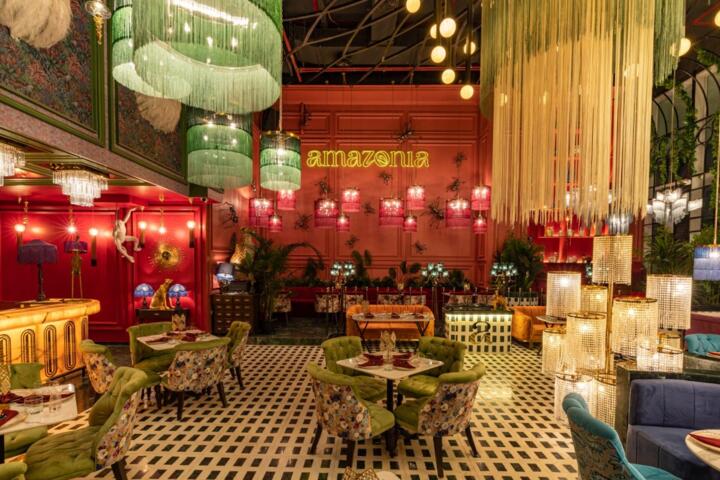
Chef-Led Dining Basics
Chef’s table experiences are small-group tasting meals where the kitchen team leads the service and the menu is built around a chef’s choices rather than a standard à la carte format. In South America, these events often highlight regional ingredients such as Andean grains, Amazonian produce, coastal seafood, or Brazilian and Argentinian classics reworked with modern technique.
Most chef’s table seatings follow a predictable rhythm: a welcome drink, a sequence of courses, and a short exchange with the chef or sous-chef between courses. Portion sizes are usually small, but the total meal time can run long enough that you plan around it like a show—often 2.5 to 3.5 hours depending on pacing and the number of courses.
Booking details matter because “chef’s table” can mean different things. Some restaurants reserve a single counter with direct kitchen visibility; others place a small group in a semi-private room with a host who relays kitchen notes. The difference changes what you experience, especially if you care about watching plating, finishing, or sauce work.
As a practical example, a menu described as “10 courses” may include multiple bites per course, while a “7-course” menu may still feel full if the restaurant uses heavier items like slow-cooked meats or bread service. The only reliable way to estimate fullness is to ask whether the menu includes bread, dessert, and paired drinks, then compare that to the restaurant’s typical course count.
Common Booking Pain Points
People often get misled by the phrase “tasting menu” without checking what the tasting actually includes. A fixed-price menu can still vary by season, and some kitchens swap courses at the last minute based on market availability. That swap can be fine, but it changes what you should expect if you have allergies or strong preferences.
Dietary needs are another frequent failure point. Many chef’s table menus are designed around a single ingredient theme, so a “vegetarian option” may still include dairy, eggs, or fish stock unless the restaurant states otherwise. If you avoid gluten, you need clarity on cross-contact in the kitchen, not just ingredient lists.
Timing also causes friction. Chef’s table seatings usually run on a strict schedule because the kitchen prepares components in sequence. If you arrive late, the service can compress, and the host may skip certain explanations to keep the kitchen on track—an outcome that feels like paying for a story and receiving fewer chapters.
Supporting technologies and dependencies are less visible but real. Reservations systems, payment holds, and cancellation policies depend on the restaurant’s booking platform and local banking rules. In some countries, card payments can trigger currency conversion fees or dynamic currency conversion at the terminal, which can change the final amount you see on your statement.
For a concrete aside: I’ve seen guests confuse a “deposit” with a “charge” because the booking email used one word and the card statement used another. The difference often shows up days later, and it rarely matches the tone of the confirmation message.
How To Choose Wisely
Verify Menu Structure And Swaps
Ask for the course count, whether bread service is included, and whether dessert is part of the fixed price. Request a sample menu from the same month you plan to visit, since seasonal substitutions are common in South America where markets shift quickly. If the restaurant says “we may adjust,” ask what categories change most often—seafood, produce, or proteins—so you can judge how stable the experience will feel.
When you compare listings, look for details like “10 courses plus petit fours” rather than only a headline number. A restaurant that lists course names or ingredient themes gives you a better basis for dietary planning than one that only states “chef’s selection.”
If you want to track what you’re actually eating, bring a note app and write down course names as they arrive. It sounds obsessive, but it helps when you later compare experiences across cities and remember which dishes matched your preferences.
Match Dietary Needs To Kitchen Reality
Send dietary requests early and in writing, then confirm what “vegetarian,” “vegan,” “gluten-free,” or “no dairy” means in that kitchen. Ask whether sauces, stocks, and bread are included in the restriction. For allergies, request a written statement of whether the kitchen can avoid cross-contact; many restaurants can’t guarantee zero exposure, and the honest ones will say so.
For practical planning, expect that strict restrictions can change the menu length or replace multiple courses. A realistic outcome is fewer substitutions than you might hope, because chef’s table menus often rely on a coherent ingredient narrative. If the restaurant offers a separate tasting for allergies, ask how many courses it includes and whether it still follows the same pacing.
One small tool that helps: a short checklist message you copy-paste to restaurants. Include your allergy type, severity, and whether you can tolerate “may contain” labeling. Version 1.2 of such a message works well because it stays consistent across emails.
Budget For Drinks, Taxes, And Timing
Chef’s table pricing can be confusing because some restaurants bundle paired drinks while others charge them separately. Ask whether water is included, whether wine pairing is optional, and whether service charges or taxes are included in the posted price. In several South American markets, taxes and service fees can be itemized differently, so the final total can differ from the headline.
Plan for meal time and travel time. If you’re staying far from the restaurant, schedule buffer time for traffic and parking. A common realistic range is 2.5 to 3.5 hours for the meal plus arrival time, which affects whether you can do a second reservation the same night.
For a mild frustration example: some booking pages show a “from” price, then the actual menu uses a higher seasonal tier. Ask whether the chef’s table price is fixed for your date or varies by menu version.
Check Service Style And Seating Layout
Ask whether the chef’s table is a counter with direct kitchen sightlines or a small table in a private room. If you care about technique, request details about what happens during plating or finishing. Some kitchens do a short explanation at each course; others keep commentary brief and focus on service flow.
Also ask about pacing and pauses. If the restaurant offers a pause between courses, it can affect how long you stay seated and how quickly you can ask questions. If you’re traveling with someone who needs frequent breaks, this detail matters more than the menu description.
Look for host roles too. A chef-led experience can still depend on a trained front-of-house host to translate the kitchen’s intent into understandable notes. If the restaurant lists a sommelier or beverage specialist for pairings, it often correlates with clearer pairing explanations.
Educational Case Examples
Scenario A (Allergy planning): A traveler books a chef’s table in a coastal city and requests a gluten-free menu. The restaurant confirms that bread and sauces will be substituted, but it also states that the kitchen uses shared fryers for other items. The guest chooses the gluten-free option and skips the paired bread course, then confirms dessert ingredients in advance. The meal proceeds smoothly because the guest aligned expectations with the kitchen’s cross-contact limits.
Scenario B (Menu stability): A couple visits a mountain region where produce changes weekly. They book a chef’s table advertised as “9 courses” and receive a menu with two substitutions due to market availability. The restaurant explains the swaps and keeps the overall structure intact, so the experience still matches the chef’s ingredient theme. The couple rates the experience higher than a prior booking where the restaurant changed multiple courses without explanation.
Comparison Checklist For Booking
| Decision Factor | What To Ask | What Good Looks Like | What To Watch For |
|---|---|---|---|
| Course Count | How many courses, and is dessert included? | Clear number plus what’s included in the fixed price | Only a headline number with no mention of bread or dessert |
| Dietary Handling | What changes for gluten-free or allergies? | Specific substitutions and cross-contact limits stated | “We can do it” without details on sauces, stocks, or cross-contact |
| Price Breakdown | Is pairing included, and are taxes/service included? | Total cost shown or clearly itemized | “From” pricing or unclear service charge language |
| Pacing And Time | How long does the experience take? | Realistic duration and strict start time policy | No duration guidance, then a rushed service if late |
Step-by-step checklist you can use before you pay: confirm course count and dessert inclusion, request a sample menu for your month, send dietary needs in writing, ask about cross-contact for allergies, confirm the final total with taxes and service, then set arrival time with a buffer for traffic and parking. If any answer arrives as a vague promise, ask for the specific detail again, because chef’s table experiences depend on kitchen execution rather than marketing language.
Common Mistakes To Avoid
One mistake is treating the chef’s table as a guarantee of “authentic” local cuisine. Many restaurants use local ingredients but apply modern technique, and the balance between tradition and technique varies by chef and city. If you want a particular style—grilling, fermentation, or raw preparations—ask for the ingredient theme or course names.
Another mistake is assuming vegetarian means vegan or gluten-free. A vegetarian tasting can still include fish sauce, butter, or gelatin unless the restaurant states otherwise. If you have multiple restrictions, send them together so the kitchen can plan substitutions as a system rather than as separate add-ons.
People also overbook the night. A chef’s table can run longer than a typical dinner, and the pacing matters for the kitchen’s workflow. Leaving a tight gap for a show or late transport often turns the last courses into a rushed finish.
Finally, some guests pay deposits without reading cancellation terms. Policies can differ by country and by booking channel, and a non-refundable deposit can be common for limited-seat seatings. If you book through a third-party platform, check whether the platform or the restaurant controls refunds and how long reversals take on your card.
FAQ
How Long Does A Chef’s Table Take?
Many chef’s table seatings run about 2.5 to 3.5 hours including course pacing. The exact duration depends on course count, whether paired drinks are included, and how strictly the restaurant starts on time.
Can I Get A Vegetarian Or Vegan Menu?
Some restaurants offer vegetarian or vegan tasting menus, but the kitchen may still use dairy, eggs, or non-vegetarian stocks unless stated. Ask what changes in sauces, bread, and garnishes, then confirm the course count.
What Happens With Food Allergies?
Allergy handling varies by kitchen. Ask whether the restaurant can avoid cross-contact for your specific allergen and whether sauces, stocks, and shared fryers are involved. Expect that some courses may be replaced rather than perfectly replicated.
Is Drink Pairing Included In The Price?
Drink pairing is often optional and sometimes priced separately. Confirm whether water is included, whether wine or non-alcoholic pairings are add-ons, and whether taxes and service charges are already included.
What Should I Ask Before Booking?
Request the course count, dessert inclusion, sample menu for your month, dietary substitution details, cross-contact limits for allergies, total price breakdown, and expected duration. If the restaurant cannot answer these clearly, the risk of a mismatch increases.
Author's Insight
Chef’s table dining is less about a single “signature” meal and more about how a kitchen stages a sequence of dishes under time constraints. The most reliable evaluation comes from concrete booking details: course count, what changes for dietary needs, and how the restaurant handles substitutions when markets shift.
Because “chef’s table” labeling varies by venue, readers benefit from asking for a sample menu and a clear price breakdown rather than relying on the name. For dietary safety, written confirmation about cross-contact limits matters more than ingredient descriptions alone.
In South America, seasonal produce and regional sourcing can improve variety, but it also increases the chance of course swaps. Planning around that reality reduces disappointment and helps you judge whether the chef’s intent still comes through.
Key Takeaways
Confirm course count, dessert and bread inclusion, and the total price with taxes and service. Send dietary needs in writing and ask about cross-contact for allergies, since substitutions often change multiple courses. Plan arrival time with a buffer because pacing is strict and late arrivals can reduce explanations. Use a short checklist when comparing options so you can judge the experience by kitchen execution details rather than by the label on the booking page.