Luxury Coffee Estates In Colombia
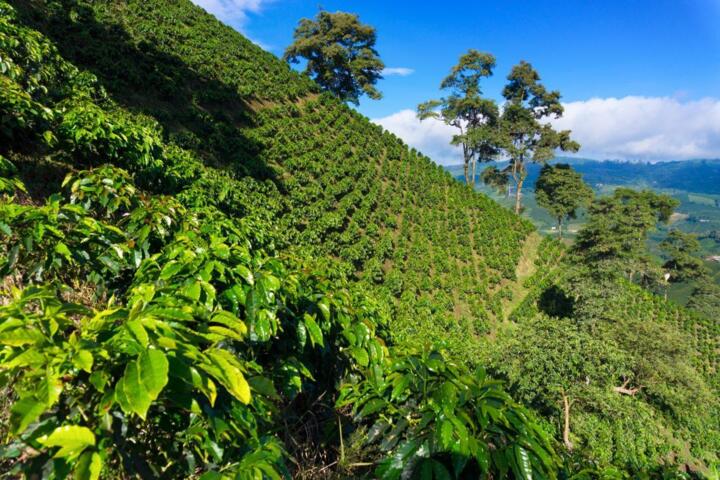
Luxury coffee estate stays in Colombia usually combine lodging on or near a working farm with guided coffee experiences such as picking, processing, cupping, and farm walks. Many estates sit in the Coffee Cultural Landscape region, where farms often operate at different elevations, which affects temperature, humidity, and how quickly coffee cherries ripen. A “stay” can mean a private villa on the property, a boutique hotel within the farm zone, or a lodge a short drive away with daily farm access.
For health-focused travelers, the practical value lies in predictable routines: meals are often prepared on-site, water sources may be managed by the property, and activities follow daylight hours. Still, estate conditions vary widely. Some properties rely on gravity-fed water systems and on-site filtration, while others purchase water or connect to municipal supply. Altitude also matters; many coffee areas sit roughly between 1,200 and 2,000 meters, and some guests feel mild shortness of breath or sleep disruption until they acclimate.
When you evaluate a luxury estate, treat it like a small hospitality operation with agricultural work attached. Ask how they handle drinking water, how they store produce, and how they manage food temperatures during tours. You can also ask whether the farm uses pesticides and how workers protect themselves, since that affects both safety culture and the estate’s approach to hygiene. A small aside from planning work: I often see guests focus on tasting notes while overlooking the simplest question—whether the property’s water is safe for brushing teeth, not just for showers.
Common Booking Pain Points
People often assume that “farm stay” automatically means clean water and consistent food handling. That assumption breaks down when estates source water from wells, springs, or rain capture without clear treatment standards. Another frequent mistake is treating altitude as a minor detail; even moderate elevation can worsen reflux, trigger headaches, or disturb sleep for some travelers, especially those who arrive after a long flight.
Guests also misread what “luxury” covers. Some estates deliver high-end rooms but run tours on a schedule that leaves little time for hydration breaks, which matters in humid or cool mornings when you still sweat lightly. Others advertise private tastings but run them in shared spaces with limited ventilation. The supporting technologies behind these experiences are not glamorous: water filtration systems, food storage refrigeration, thermometers for kitchen checks, and staff training for cross-contamination control.
Finally, many travelers underestimate how weather affects coffee operations. Heavy rain can change processing schedules, which can shift tour timing and meal logistics. If you plan around a specific harvest window, confirm whether the estate can still run cupping or processing demonstrations when conditions delay picking. A mild frustration shows up here: marketing photos rarely show muddy paths, wet footwear needs, or the fact that some “hands-on” activities are seasonal and may be replaced by indoor processing demos.
How To Choose A Safe Stay
Check Water And Food Handling
Ask the property how they treat drinking water and how they label it in rooms. Practical questions include: Do they provide sealed bottled water for drinking and brushing teeth? If they use filtration, what type of system is installed and how often is it serviced? For food, ask whether they use refrigeration for dairy and meat, and whether they track temperatures during service. If the estate offers a “farm breakfast,” ask how long food sits at room temperature during tours.
Realistic outcomes: a well-run property can reduce stomach upset risk by keeping cold foods cold and hot foods hot, and by clarifying which water is safe. You can also request a short written note on water sourcing and kitchen hygiene practices. If the answer is vague, you can plan a conservative approach: bring a small supply of sealed water for the first day, use it for brushing teeth, and stick to fully cooked meals until you see how your body responds.
As an incidental planning detail, I’ve seen properties mention “UV + carbon filtration” or “reverse osmosis” in guest FAQs, but the wording varies by estate and sometimes changes after renovations. If you see a system described, ask when it was last serviced and whether staff follow a log.
Plan For Altitude And Comfort
Confirm the elevation of the lodge and the typical daily activity schedule. If the estate sits around 1,800–2,000 meters, some guests feel mild exertion during steep walks, even when the pace is slow. Ask whether the property offers oxygen in emergencies, and whether staff are trained in basic first aid. For sleep, request room details such as mattress type, ventilation, and whether rooms get cold at night.
Practical numbers: many travelers adapt within 24–48 hours, but people with asthma, heart conditions, or anxiety about breathing may need more time. If you have a history of altitude intolerance, discuss it with a clinician before travel. For on-site comfort, plan hydration and avoid heavy alcohol the first evening; dehydration and alcohol can worsen headaches and sleep quality.
A small aside: I often recommend packing a light layer even in warm regions, because coffee estates can feel chilly at dawn when fog rolls in and tours start early.
Verify Tour Safety And Hygiene
Ask how the estate manages hygiene during farm activities. Questions that matter include: Are there handwashing stations with soap at processing areas? Do they provide clean footwear covers or boot cleaning mats? How do they handle shared tasting cups during cupping sessions? If the estate offers “hands-on” picking, ask whether gloves are provided and how they prevent cross-contamination between raw cherries and tasting areas.
Realistic outcomes: good estates separate “work zones” from “tasting zones,” which reduces the chance that dust or farm residues reach food and drink. For cupping, you can request single-use cups or a clear sanitation routine. If you see guests handling cherries and then touching tasting equipment without a wash station, that’s a signal to adjust your own behavior—use hand sanitizer, avoid touching your face, and ask staff to clarify the sanitation steps.
Some estates use a cupping room with controlled airflow; others run tastings in open-air patios. Ventilation matters when you’re sensitive to dust or strong aromas.
Use Booking Questions To Reduce Risk
Before paying a deposit, send a short message with a checklist of health-adjacent questions. Ask for: (1) water sourcing and treatment, (2) refrigeration practices, (3) elevation and typical walking routes, (4) first-aid readiness, and (5) how they handle dietary restrictions. If you have a medical diet need, ask whether they can accommodate it without cross-contact, and whether staff can label ingredients.
For outcomes, aim for clarity rather than perfection. A property that answers with specific operational details tends to run tighter systems than one that replies with only marketing language. If the estate cannot answer, you can still travel by choosing conservative habits: drink sealed water, eat hot meals, and avoid raw items unless you trust the kitchen’s handling.
As a minor planning detail, I’ve noticed that some properties respond faster when you ask in a single message and include your travel dates. A long thread often leads to partial answers that you still have to verify.
Educational Case Examples
Case 1: Water Clarity Before Arrival
A couple booked a villa on a coffee farm near Salento. They asked whether the lodge used municipal water or a well system and whether the water in-room was treated. The property replied that drinking water was provided in sealed bottles and that showers used filtered water. During the first morning, they used bottled water for brushing teeth and ate only hot breakfast items. The couple reported no stomach issues during the stay, and they later learned that the estate’s filtration system had a service schedule that staff followed, which reduced uncertainty.
Case 2: Altitude Planning For Sleep
A solo traveler planned a three-night stay in the Coffee Cultural Landscape at an elevation around 1,900 meters. They experienced mild headaches and restless sleep on night one, which they linked to arrival fatigue and cool nighttime temperatures. The next day they asked the lodge for an earlier dinner, more hydration, and a slower morning walk route. The estate adjusted the tour pace and provided a warm layer recommendation for foggy mornings. The traveler’s symptoms improved by the second night, which matched the common pattern of acclimatization over 24–48 hours.
Stay Checklist And Tradeoffs
| Decision Factor | What To Ask | What Good Looks Like | If Answers Are Vague |
|---|---|---|---|
| Drinking Water | Bottled vs filtered; treatment type; service schedule | Sealed water for drinking; clear filtration description | Use bottled water for drinking and brushing teeth |
| Food Temperature | Refrigeration and hot-holding practices | Cold foods kept cold; hot foods served hot | Prefer fully cooked meals; avoid raw items |
| Altitude Comfort | Elevation and walking routes; first-aid readiness | Clear elevation; trained staff; flexible pacing | Plan slower tours; monitor symptoms |
| Cupping Hygiene | Cup sanitation and shared equipment rules | Single-use or documented cleaning routine | Use sanitizer; avoid touching face |
Step-by-step checklist you can copy into a message: (1) Ask for water sourcing and whether bottled water is used for brushing teeth. (2) Ask for elevation and the steepness of daily walks. (3) Ask how the kitchen handles refrigeration and hot-holding. (4) Ask how cupping cups and tasting tools are cleaned. (5) Ask for dietary accommodation details and cross-contact handling.
Common Mistakes That Erode Trust
One mistake is booking based only on photos of coffee processing without verifying the operational details that affect health. Another mistake is assuming that “organic” or “natural” farming automatically means low chemical exposure; farming practices vary, and the relevant question is how the estate manages worker protection and how areas are cleaned for guest access.
Travelers also over-trust vague claims like “filtered water” without asking whether it is treated for drinking and how often it is serviced. If you see a response that does not mention drinking water practices, plan conservative habits. A third mistake is ignoring your own medical history and pushing through symptoms during the first day; altitude discomfort and dehydration can compound, and a slower pace often helps.
Finally, some guests treat dietary restrictions as a last-minute request. If you need gluten-free, vegetarian with specific exclusions, or a low-lactose plan, ask early and confirm ingredient handling. Estates that cannot answer clearly may still be safe, but you lose the ability to plan meals and reduce uncertainty.
FAQ
Is the water safe for brushing teeth?
Many estates provide sealed bottled water for drinking and brushing teeth, while others rely on filtered systems. Ask the property to confirm the water treatment and whether in-room water is treated for drinking.
What elevation should I expect on coffee estates?
Coffee regions in Colombia often sit around 1,200–2,000 meters, but each estate differs. Request the lodge elevation and the steepness of walking routes so you can plan pacing and hydration.
Do luxury coffee stays offer dietary accommodations?
Some estates can handle common restrictions, but cross-contact practices vary. Ask what ingredients are used, how meals are prepared, and whether staff can label dishes.
How do cupping sessions handle hygiene?
Good properties use a documented cleaning routine for tasting tools or single-use cups. Ask whether cups are shared and how they are sanitized between guests.
What should I pack for farm activities?
Plan for uneven ground and changing weather: closed shoes with grip, a light rain layer, and a warm layer for cool mornings. If you have sensitive skin, bring hand sanitizer and consider gloves for picking activities.
Author's Insight
Luxury coffee estate stays blend hospitality with agricultural operations, so health outcomes depend on routine details rather than scenery. Water safety, food temperature control, and hygiene during tastings often matter more than the marketing description of “farm-to-cup.” I do not have personal clinical experience, but the practical guidance above follows common travel health principles: verify water sourcing, plan for altitude comfort, and ask for clear sanitation practices.
When an estate answers with operational specifics, you gain decision confidence. When answers stay general, you can still travel by using conservative habits such as bottled water for brushing teeth and choosing fully cooked meals during the first day.
Key Takeaways
- Ask for drinking water practices and whether bottled water is used for brushing teeth.
- Confirm elevation and walking routes to reduce altitude-related discomfort.
- Verify refrigeration and hot-holding practices for meals, especially during tours.
- Request details on cupping hygiene and shared equipment cleaning.
- Use a short checklist message before booking to reduce uncertainty and avoid promotional gaps.