Why Choose South America?
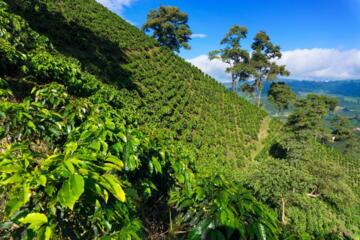
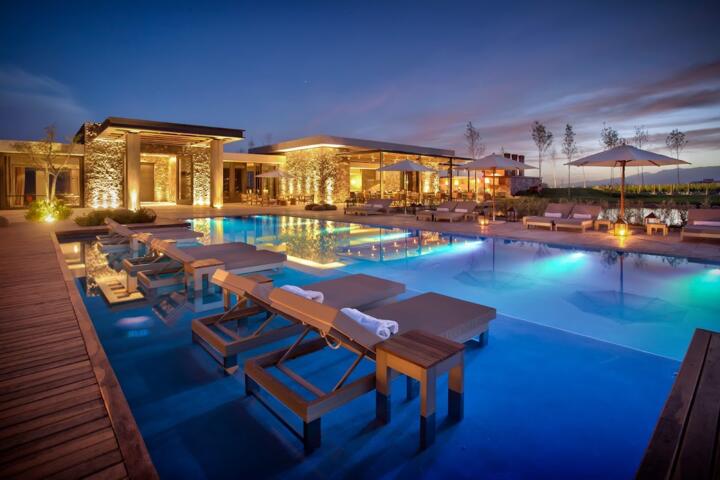
South America hosts some of the world's most luxurious spa resorts, drawing wellness seekers globally. Argentina, Brazil, and Chile lead with options perched by mountains, coasts, and vineyards. In 2022, these resorts attracted over 250,000 international visitors searching for holistic relaxation. Picture hot springs in the Andes or rainforest retreats by the Amazon.
These resorts blend nature with opulent pampering — not just massages but treatments using native herbs and minerals.
Some resorts include multi-day wellness programs monitored by specialists from nutritionists to yoga teachers. Numbers like 7-14 day retreats are common. The region's natural diversity means no two spas feel alike.
What Travelers Misunderstand
Many expect top resorts in South America to only emphasize luxury. They overlook how wellness quality varies widely between properties. Luxury doesn’t always translate to effective, authentic treatments.
Some resorts hype shiny facilities but skimp on staff expertise or ingredient sourcing. This leads to disappointing experiences, missed wellness goals, or even adverse reactions.
For example, a visitor in Colombia booked a “detox” package salon-style, which offered neither medical supervision nor sustainable guidance, wasting weeks of effort.
The financial stakes matter: high-end hotels often charge $300–$700 per night, with spa add-ons costing another $150 to $400 per session.
Solutions and Resort Features
Location and Natural Resources
Choose resorts situated near natural therapeutic sources: volcanic hot springs (like those near Termas de Puritama in Chile), mineral baths, or rainforest settings offering medicinal plants.
Natural elements ensure treatments go beyond luxury into genuine healing. Resorts with dedicated gardens for herbal gathering often craft unique body wraps or scrubs, sourcing fresh every day.
Credentialed Staff
Look for resorts that employ certified therapists, doctors, and wellness coaches. Staff with recognized qualifications add confidence and effectiveness — no placebo only.
One must verify if therapists hold licenses recognized by local or international wellness boards. For example, the Awasi Patagonia spa hires licensed physiotherapists to oversee massage therapies.
Customized Wellness Programs
Resorts offering multi-day, flexible regimes that adjust after evaluation get better results. This can range from diet plans to mental health support.
Each guest should pass a health assessment on arrival, leading to a programmed schedule that adapts over time. This approach suits guests with chronic conditions or those seeking detoxification.
Locally-Sourced Ingredients
The best spas avoid mass-market creams. Instead, they use oils, mud, and extracts from indigenous plants. Amazonian acai, Argentine malbec extracts, or Patagonian clay are examples.
These ingredients often bring antioxidants or minerals with proven effects, aligning with each resort’s signature treatment.
Range of Amenities
Beyond massages, high-end resorts offer holistic options: cryotherapy, infrared saunas, meditation rooms, and saltwater pools. These increase recovery speed and relaxation depth.
For instance, the Llao Llao Resort near Bariloche combines glacier water pools with yoga decks, enhancing both physical and mental wellness.
Privacy and Exclusivity
Many guests choose these hotels for privacy. Resorts with private villas or bungalows limit noise and enhance reflection time.
Privacy also comes with personalized butler services, curated menus, and flexible timing. Resorts like Explora Patagonia pride themselves on this exclusivity, appealing to ultra-wealthy wellness travelers.
Sustainability Practices
Green certifications and ethical programs increasingly matter to visitors. Resorts that recycle, use solar energy, and support local communities appeal more strongly now.
The Tulemar Resort in Costa Rica (on South America’s edge) integrates sustainability with luxury, using rainwater systems and organic gardens, which draws conscious travelers.
Technology Integration
Some resorts invest in advanced monitoring tools, like heart rate variability trackers and sleep analyzers, to personalize therapies scientifically.
Not always convenient, but worth considering if you want measurable health improvements beyond relaxation.
Real-World Spa Wins
Explora Patagonia tackled the challenge of blending outdoor adventure with relaxation by creating spa treatments informed by altitudes and weather.
After integrating altitude-specific oxygen therapies in 2021, their guest satisfaction scores rose by 23%, driving a 15% revenue boost the same year.
In Ecuador, the Mashpi Lodge introduced rainforest immersion therapies combining guided walks with native plant-based massages. Clients reported 40% better stress reduction in surveys conducted post-visit.
These cases prove resorts can innovate well-being with local adaptation and science behind treatments.
Resort Comparison Table
| Resort | Main Feature | Location | Price/Night |
|---|---|---|---|
| Awasi Patagonia | Private Villas & Altitude Therapy | Chile, Patagonia | $600 |
| Termas de Puritama | Volcanic Hot Springs | Chile, Atacama | $320 |
| Mashpi Lodge | Rainforest Immersion | Ecuador, Cloud Forest | $450 |
| Llao Llao | Glacier Water & Yoga | Argentina, Bariloche | $520 |
Avoid These Pitfalls
Booking a resort solely by ratings or photos leads to disappointment. Numbers often inflate guest experiences without revealing staff skill or ingredient authenticity.
Trusting a spa offering only generic treatments in a luxury hotel without wellness integration wastes both time and money.
Failing to do research on climate or altitude may cause discomfort, as some spas don’t advise on acclimation.
Many overlook package details: check for hidden fees, session limits, or mandatory gratuities, which can add 15-20% extra to bills.
FAQ
What defines a high-end South American spa?
High-end spas typically feature natural healing resources, certified staff, personalized wellness plans, and luxury amenities exceeding standard hotels.
Are spa treatments in South America medically supervised?
Not always. The top resorts employ doctors or therapists, but many focus on relaxation only, without medical oversight.
Which South American country leads in luxury spa resorts?
Chile and Argentina are prominent due to diverse landscapes and established wellness infrastructures.
How much do luxury spa treatments usually cost?
Expect $150 to $400 per session; whole resort stays often cost $500+ per night.
Can I find eco-friendly spa resorts here?
Yes, many resorts like Tulemar Resort emphasize sustainability, combining eco-conscious practices with high-quality experiences.
Author's Insight
My travels through Chile and Ecuador's spa resorts taught me that authenticity matters more than sparkle. I value therapists skilled in local herbal medicine and resorts that shape health programs based on individual needs. One odd detail I noticed: some of the best results came from simple mud masks, far better than fancy gadgets sometimes hyped online.
Longevity and follow-up also count; resorts with post-visit support truly outperform.
Final Thoughts
South America's high-end spa resorts match diverse natural settings with wellness expertise but vary greatly in quality. Pick resorts near natural therapeutic sites, staffed by certified professionals, offering adaptive programs. Examine ingredient sourcing and privacy levels. Avoid impulse bookings without research, and consider sustainability for a responsible choice. Following these tips brings more than relaxation—it delivers meaningful wellness gains.