45 Or 90 Minute Transfers
European rail connections look simple on paper: arrive, change platforms, board the next train. In practice, the transfer window depends on station design, ticketing rules, and whether any border or security checks apply. A 45-minute connection can work at a compact station with reliable platform information, but it becomes fragile when you must cross terminals, change levels, or wait for a delayed feeder. A 90-minute buffer usually absorbs small delays and walking time, yet it still fails when the timetable is tight or when you miss a required reservation.
To compare the two, treat the transfer time as a bundle of tasks: walking between platforms, finding the correct departure board, buying or validating tickets if needed, and handling disruptions. The “right” number also changes with your risk tolerance and your ability to recover, such as whether the next train runs every 10 minutes or only hourly. On some routes, the next departure might be later the same hour; on others, it can be a long wait, which changes the cost of a missed connection.
Where Travelers Misjudge Connection
Many travelers underestimate how often platform changes happen at major hubs. Even when the timetable lists a platform, real operations can shift it after you arrive, and you may need time to locate the new track. Another common mistake is assuming that “change time” shown in an itinerary matches the time you will actually need to walk, queue, and board.
Ticketing and reservation rules also create hidden dependencies. If your itinerary uses a single ticket covering both legs, the carrier may have a rebooking policy when you miss the connection due to delay. If you book separate tickets, you often lose that protection, and a missed train can mean buying a new ticket at the desk. Some trains require seat reservations; if you miss the first train, the reservation for the second train might still be valid, or it might not, depending on the operator and fare conditions.
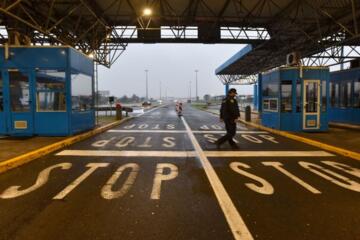
Cross-border travel adds another layer. Border checks are not uniform across Europe, and their presence can vary by route and time of day. Even when checks are light, you may face additional walking and document handling that does not show up in a generic transfer estimate. Station geography matters too: a “15-minute walk” can become 25 minutes if you must exit through gates, use elevators, or follow detours around construction.
How To Plan A Safer Buffer
Use Station Layout And Walk Time
Start with the station itself. Look up whether the transfer requires crossing between terminals, changing levels, or passing through ticket gates. On large hubs, walking time can be longer than the “minimum change time” shown in some booking tools, especially if you arrive at one end of the station and the next platform is at the other. If you travel with luggage, add time for elevators and for the slower pace of navigating crowds.
A practical method: estimate walking time using station maps and then add a “finding time” buffer for platform changes. If you see a connection that is 45 minutes, treat it as 30 minutes for walking and wayfinding, then reserve the remaining time for boarding. This is conservative, but it matches how people actually behave when the departure board updates late.
Check Ticket Type And Rebooking Rules
Before comparing 45 versus 90, confirm whether your itinerary is sold as one journey or as separate tickets. A single-ticket itinerary often has a defined policy for missed connections caused by delay, while separate tickets usually do not. Read the fare conditions for seat reservation rules, because some reservations are tied to the specific train departure and may not transfer cleanly if you arrive late.
If you use a rail search tool, note the version and date of the results you rely on. For example, a schedule snapshot from a tool dated 2026-10-01 may not match the live timetable on travel day, and platform assignments can change. I’ve seen travelers rely on a “change time” label that ignored reservation constraints, then discover the second train required a reservation that their missed leg no longer covered.
Match The Buffer To Service Frequency
Connection time should reflect how often trains run after a miss. If the next service departs every 10–15 minutes, a 45-minute connection can be workable even with some delay. If the next option is hourly, a missed train turns a short transfer into a long wait, and 90 minutes becomes the safer choice.
Use the timetable to check the “recovery pattern.” Look at departures after the planned second train and identify the earliest alternative you could take. On routes with limited frequency, build a buffer that covers not only your arrival delay but also the time to board the next available train. This is where 90 minutes often earns its keep: it reduces the chance you need recovery at all.
Plan For Disruptions And Platform Changes
Disruptions are not rare on busy corridors, and they change the meaning of a transfer window. If the first train is prone to delays, a 45-minute connection becomes a gamble. If the station is large and platform changes are common, you need extra time to locate the correct track and to pass any security checks.
Use real-time departure boards on the day of travel. Many apps show live platform information, but they can lag behind station announcements. A small aside: on my last check of a common rail app interface (build number 3.7.2, shown in the app’s settings), the platform field sometimes updated a few minutes after the station board. That delay matters when your transfer window is short.
Case Examples For 45 And 90
Compact Hub With Frequent Trains
A traveler plans a connection at a compact city station where both trains depart from nearby platforms. The first train arrives on time most days, and the second train runs every 20–30 minutes. The itinerary is sold as one journey with a single ticket, and the reservation for the second train is included. In this setup, a 45-minute connection can work because walking distance is short and recovery options are frequent if a platform changes.
The same traveler would still treat 45 minutes as tight if they arrive with heavy luggage or if the station has construction that forces detours. If the first train is delayed by 10–15 minutes, the remaining time may be enough to board, but it leaves little margin for a platform change or a queue at a ticket gate.
Major Hub With Cross-Border Complexity
Another traveler connects at a large hub where the second train departs from a different terminal and requires passing through gates. The route crosses a border where checks can occur, and the second train is an intercity service that runs hourly. The itinerary is booked as separate tickets, and the second ticket requires a reservation that might not be honored if the train is missed.
In this scenario, a 45-minute connection is fragile because you must absorb walking time, potential queueing, and any document handling. A 90-minute buffer reduces the risk, but it still depends on whether the first train delay triggers rebooking or whether you must buy a new ticket. The traveler’s best move is to choose a connection with a realistic recovery plan, not just a longer transfer time.
Connection Window Checklist
| Factor | 45 Minutes | 90 Minutes | What To Check |
|---|---|---|---|
| Walking and wayfinding | Works only if platforms are close and signage is clear | More forgiving for long corridors and level changes | Station map, elevator access, construction notes |
| Platform changes | High risk if boards update late | More time to relocate and board | Real-time departure board on travel day |
| Ticketing protection | Separate tickets raise the cost of a miss | Still not a guarantee, but reduces missed trains | Single itinerary vs separate tickets; rebooking terms |
| Service frequency after a miss | Only safe on frequent corridors | Helps when alternatives are hourly | Earliest alternative departure time |
| Border or security checks | Can break the plan unexpectedly | Adds margin for queues and document handling | Route rules; station gate requirements |
- Confirm whether the itinerary is one ticket or separate tickets.
- Check whether the second train needs a reservation and whether it stays valid if you arrive late.
- Estimate walking time using station maps, then add time for finding the correct platform.
- Look up the earliest alternative departure if you miss the connection.
- On travel day, verify the platform and departure time using live information, not only the booking screen.
Common Mistakes That Break Plans
One frequent mistake is treating “minimum change time” as a promise. That number often assumes an average passenger walking speed and stable platform assignments. When crowds build or when you arrive at a different end of the platform, the real time can exceed the estimate.
Another mistake is ignoring ticket gate requirements. If you must exit and re-enter through gates, you may need to validate tickets again, and queues can form. Travelers also underestimate how long it takes to board when trains are crowded; boarding is not always a quick step, especially for long-distance services with luggage.
People sometimes book a 45-minute connection because it is cheaper, then plan to “figure it out” if delayed. That approach fails when the next train is far later or when rebooking requires a desk visit. A better method is to plan the recovery path before you travel, including where you would go and which train you would take.
Finally, travelers sometimes rely on a single app screen without checking station signage. Live data can lag behind announcements, and platform changes can be communicated verbally first. If you arrive with a short connection, you need a backup habit: locate the departure board and compare it with any app updates.
FAQ
Is 45 Minutes Enough For Most Transfers?
It can be enough at compact stations with nearby platforms, frequent onward trains, and a single-ticket itinerary. It becomes risky at large hubs, when gates must be crossed, or when the next train runs hourly.
Does A 90-Minute Buffer Guarantee A Connection?
No. A 90-minute window still fails if the first train is heavily delayed, if platform changes require long walking, or if reservation rules prevent boarding the intended service.
What Matters More: Transfer Time Or Ticket Type?
Ticket type often matters when you miss the connection. A single itinerary can trigger rebooking in delay scenarios, while separate tickets usually shift the cost and risk to you.
How Do Border Checks Affect Transfer Planning?
Border checks can add walking and queue time that generic connection estimates do not capture. The impact varies by route and time, so treat short transfers as fragile on cross-border itineraries.
Should I Use The “Minimum Change Time” Shown Online?
Use it as a starting point, not a guarantee. Validate it against station layout, gate requirements, and the frequency of alternative trains if you miss your connection.
Author's Insight
Connection planning works best when you treat the transfer window as a set of tasks rather than a single number. Walking time, platform changes, gate access, and reservation rules often dominate the outcome more than the headline minutes. A 45-minute transfer can be reasonable on frequent corridors at compact stations with a single-ticket journey, while 90 minutes helps when recovery options are limited. The most reliable approach is to check the station layout and the recovery timetable before you commit to a tight connection.
Key Takeaways
- 45 minutes works mainly when platforms are close, trains run frequently, and your ticket covers missed connections.
- 90 minutes reduces risk at large hubs, cross-terminal transfers, and routes with limited onward frequency.
- Ticketing and reservation rules decide what happens after a miss, not just how long you have to transfer.
- Plan a recovery option before travel and verify platform details using live information on the day.