Hiking Lodges in Detail
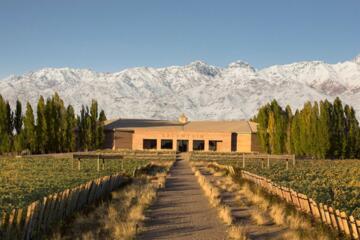
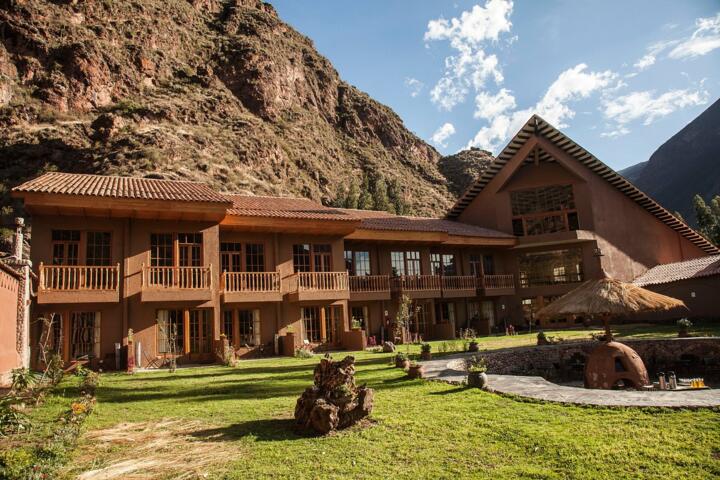
Torres del Paine National Park in Patagonia spans over 181,000 hectares and draws thousands of trekkers annually. For those looking beyond camping, premium hiking lodges offer a blend of comfort and wilderness access. These lodges typically sit strategically along popular routes like the W and O circuits, allowing hikers to rest with private rooms, hot showers, and quality meals. Take, for example, the Explora Patagonia Lodge, located in a remote valley with views of the Paine massif. It features 31 rooms, each with wide windows framing glaciers, and a restaurant serving local lamb and trout.
In 2022, about 11,000 visitors chose lodges over campsites, reflecting a growing demand for higher standards amid wild landscapes.
Not all lodges are equal, though. Their size, amenities, accessibility, and ecological footprints vary widely.
Lodge Stay Challenges
One major misconception is that all premium lodges guarantee convenience. Some require long transfers despite claiming 'accessibility.' Travelers face unexpected shuttle rides lasting 1–2 hours, reducing valuable trekking time. Another common issue involves booking logistics. Many lodges depend on seasonal availability with high demand from November to March, causing frustration for late planners.
Environmental impact also weighs on decisions. The park enforces strict waste handling policies, but some lodges struggle with fully sustainable operations due to remote locations, affecting water usage and energy supply.
Missing these factors can result in discomfort or unexpected costs. For example, guests unaware that laundry services charge extra or that Wi-Fi is limited often find themselves unprepared, disrupting overall experience.
Ideal Lodge Choices
Research Location and Access
Check exact lodge locations relative to trailheads. Lodges like Tierra Patagonia, 10 km from Laguna Amarga, offer quicker trail access, saving backpackers hours of secondary transport. Maps from official park services or apps like Maps.me show roads and trails clearly.
Book Early with Reliable Platforms
Reserve at least six months ahead, especially for December and January. Booking through specialized Patagonia platforms—such as South Expeditions or Fantastico Sur—increases chances of confirmed reservations and transparent pricing. Last-minute attempts often lead to cancellations or premium prices.
Prioritize Environmental Policies
Look for lodges with certifications or proven green practices—for example, EcoCamp Patagonia uses solar panels and biogas systems to minimize emissions. These reduce ecological strain, fitting the park’s conservation goals, and can provide a more rewarding stay with purer surroundings.
Evaluate Food and Water Options
Eating well is critical during multi-day hikes. Some lodges, like Patagonia Camp, offer twice-daily meals focusing on local produce rich in protein. Others require guests to bring own provisions. Also, inquire about cabin water sources—some rely on treated spring water, some on river filtration, which might affect taste and hydration plans.
Factor in Comfort Features
Consider rooms vs. dormitories if privacy and rest are priorities. Many premium lodges provide heated rooms with plush bedding. Wi-Fi availability varies drastically; it is often weak or restricted to common areas. HatTip: the 2023 Tripadvisor reviews mention many lodges still lag in consistent connectivity.
Plan for Gear Support
Look for extra services like gear storage, drying rooms, or shuttle transfers. Lodges like Las Torres Refugio offer drying racks and secure lockers, reducing daily packing weight and enabling easier mornings during Patagonia’s notorious damp weather.
Understand Price Structures
Expect nightly rates between $120 and $500 depending on lodge tier and season. Note that some charges for extras like hot showers, electricity, or meals may surprise first-timers.
Optimize Trek Itineraries
Choose lodges aligning with your hiking pace. For example, staying at EcoCamp on the W route breaks the trek into manageable 6–10 hour segments, avoiding exhaustion and allowing for acclimatization. Using GPS devices or apps like Gaia GPS, updated frequently, helps track distances exactly.
Bring Travel Insurance
Remote locations increase risk of delays or emergencies. World Nomads covers evacuation and medical issues common to Patagonia hikes. Having coverage doesn’t mean you’ll use it, but it prevents stress that spoils journeys if unexpected weather blocks trails.
Examples in Practice
South American Journeys, a Chilean tour operator, struggled in 2021 with guests booked in remote lodges inaccessible due to wildfires. They quickly switched most hikers to Explora Patagonia, thanks to its robust infrastructure and reliable shuttle links backed by over a decade of experience. Ultimately, 95% of guests completed planned routes without delay.
Another case involves a family group in 2022 who booked late and ended with dorm-style lodging at Refugio Grey rather than private cabins. After reallocating budget, they gained access to full meals and gear support, improving rest and morale; hiking times improved by nearly 2 hours daily compared to their previous trips.
Choosing the Right Lodge
| Lodge | Location Access | Price Range (USD) | Key Features |
|---|---|---|---|
| Explora Patagonia | Remote Valley, Shuttle | 400–500 | Private rooms, Gourmet food, Guided hikes |
| EcoCamp Patagonia | Central Base, Trail side | 250–400 | Geodesic domes, Solar power, Locally sourced |
| Patagonia Camp | Near Lake Pehoé | 150–300 | Tents with wood stoves, Meals included, Private bathrooms |
| Las Torres Refugio | Start of W Trek | 120–180 | Bunk rooms, Drying areas, Meals optional |
Slip-Ups to Watch For
One mistake is underestimating weather delays. Patagonia’s microclimates cause sudden storms that slow hiking, which nobody includes in time estimates. The result: missed shuttle transfers or lodging check-in cutoffs. Double-check booking deadlines, and have buffer days for emergencies.
Ignoring equipment needs also causes trouble. Some lodges provide no sleeping bags or pillows. Travelers expecting full amenities find themselves borrowing gear, causing delays and discomfort.
Assuming all food suits dietary restrictions can backfire. Few lodges handle vegan or gluten-free options well, sometimes forcing guests to buy expensive extras elsewhere. Carrying some snacks prevents hunger crises.
Avoid last-minute cancellations. Most premium lodges require deposits with no refunds, and rescheduling during peak season is near impossible.
Finally, trusting unofficial online reviews without cross-verifying often misleads, especially when recent changes in management or infrastructure occur (like roof repairs in early 2024 that some guests missed).
FAQ
Are premium lodges in Torres del Paine walk-in friendly?
No, most premium lodges require advance booking during high season due to limited capacity and park regulations.
Do lodges supply gear such as sleeping bags?
Typically, premium lodges provide beds but not personal gear. Bring your own or rent from specialty outfitters in Puerto Natales.
How far are lodges spaced on the W Trek?
Distances vary. For example, Explora and EcoCamp sites are roughly 10 to 15 km apart, covering sections manageable in 6–10 hours.
Is Wi-Fi reliable in Torres del Paine lodges?
Wi-Fi availability is patchy with limited bandwidth, mostly confined to common areas, so plan offline activities accordingly.
Can dietary needs be accommodated?
Most lodges offer standard menus; inform them in advance to request specific diets, but options remain limited.
Author's Insight
Having trekked Torres del Paine twice while staying at different premium lodges, I’ve seen firsthand how logistics shape the experience. The buffer days saved me from scrambling when a windstorm grounded shuttles. Opting for private rooms made early mornings easier, boosting stamina for tough ascents. My tip: always confirm the latest park entry rules—they change faster than some guidebooks update.
Key Takeaways
Choosing premium hiking lodges in Torres del Paine requires balancing comfort, location, and ecological impact. Early bookings on reliable platforms make a huge difference. Check the scope of services to avoid surprises, especially regarding transport, meals, and weather contingencies. With thoughtful planning and realistic expectations, these lodges elevate the iconic Patagonia trek into a memorable but relaxed adventure.