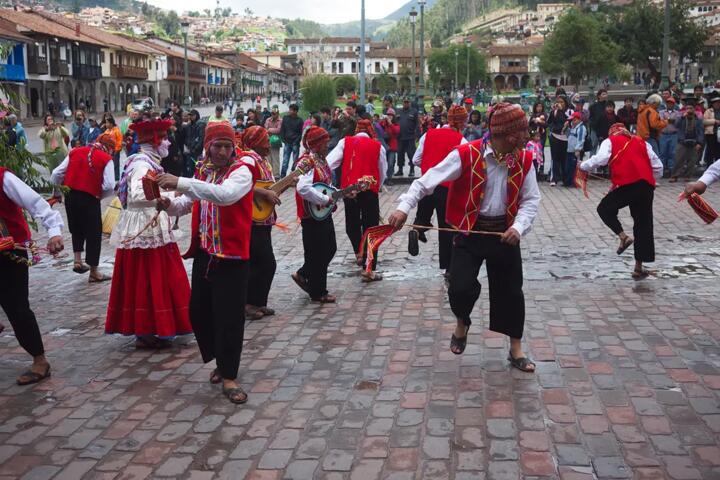
Private Cultural Experiences In Peru
Private cultural experiences in Peru pair a local guide with a planned route that can include colonial neighborhoods, Andean communities, museum collections, craft production, and food culture. The “private” part usually means you travel with a small group or just your party, so the guide can adjust pacing around your interests and energy level. Common examples include a Cusco-area history walk that ends at a textile workshop, a Lima museum morning followed by a market visit, or a Sacred Valley day that mixes archaeology with a cooking class. These experiences often depend on permissions, transport timing, and the guide’s network, not only on the itinerary text.
Because Peru’s cultural sites range from urban museums to high-altitude areas, the practical details shape the experience. Altitude can affect comfort and attention, and some locations have limited visiting hours. A well-run private plan also accounts for travel time between neighborhoods, the time needed for ticketing, and whether a workshop requires advance booking. If you want photography time, ask how the guide handles crowd control and site rules, since some areas restrict tripods or flash.
Common Pain Points And Misreads
People often treat a private itinerary like a fixed product, then get surprised when access changes. Museums may close early on holidays, workshops may shift schedules, and archaeological sites can have temporary restrictions. Another frequent issue comes from vague descriptions such as “cultural immersion” without naming the specific site, craft, or community. When the plan lacks concrete stops, you cannot verify what you will actually see.
Guides and operators also rely on supporting technologies and services that travelers rarely notice. Ticketing systems, reservation portals, and local transport coordination determine whether you arrive at the right time. In Peru, many experiences depend on cash handling for small vendors, plus messaging apps for last-minute updates, which can fail when mobile data is weak. If your operator uses WhatsApp for coordination, check whether they share a local contact number and a meeting point with a photo or map link; “meet at the hotel” breaks down when the pickup driver arrives at the wrong entrance.
Some travelers misread “private” as “no rules.” Cultural sites still have regulations, and workshops still have safety and hygiene constraints. A cooking class may require hair restraints or closed-toe shoes, and a community visit may require a respectful dress code. If the itinerary includes a community component, you should ask how the visit avoids turning people into a spectacle, since that affects both ethics and the quality of conversation.
Finally, pricing confusion happens when you compare a private day to a group tour without separating what is included. Private pricing may cover guide time, transport, tickets, and a workshop fee, while group pricing may bundle only the guide and basic entry. Without a line-item view, you can end up paying for services you did not need, or missing fees that appear later.
How To Vet And Plan
Ask For A Stop-By-Stop Brief
Request a written itinerary that lists each stop, the purpose of the stop, and the time window. A useful brief names the museum or neighborhood, the craft type (for example, weaving, ceramics, or silverwork), and the expected duration at each location. Ask whether tickets are included and whether the operator handles timed entry. For a first pass, a 6–8 hour private day often works better when it has 3–4 main stops plus short transitions; more than that tends to compress questions and reduce the “private” benefit.
When you receive the plan, check for practical constraints. If the itinerary includes early access to an archaeological site, ask what time you depart and how the guide manages queues. If it includes a workshop, ask whether the artisan is present and whether the session includes a hands-on component or only observation. I often see itineraries that mention a “textile experience” but omit whether you will learn a technique or just watch a demonstration, which changes the value a lot.
Verify Permits, Tickets, And Hours
Ask the operator to confirm opening hours for the exact date and to state the ticket source. For major sites, timed entry and capacity limits can apply, and some museums require advance reservations. If the plan includes a community visit, ask whether the operator has a local coordination contact and whether there is a formal agreement for visitor groups. For a realistic expectation, many museum visits run 60–120 minutes depending on the collection size and your pace.
Also ask about weather contingencies. In the Andes, rain can affect walking routes and visibility, and altitude can change how long you want to stay outside. A credible operator describes what changes under rain: swapping outdoor segments for indoor museum time, adjusting walking distance, or shortening a high-exposure segment. If the plan only says “we will adapt,” it rarely adapts in a way that protects your schedule.
Match Your Interests To The Guide Style
Private experiences vary by guide approach: some focus on art history, others on daily life, and others on craft process. Ask how the guide structures the conversation and whether they can tailor explanations to your background. If you care about food culture, ask whether the market stop includes ingredient sourcing and whether the cooking class covers technique rather than only tasting. For craft visits, ask whether you will learn a basic step, since “watching” can become passive quickly.
Communication matters too. Confirm the language you want, the level of detail, and whether the guide can handle questions without rushing. If the operator uses WhatsApp for updates, ask for a local contact number and a backup method if the app fails. I once saw a plan where the pickup message arrived at 7:58 for a 8:00 meeting; the driver was already gone, and the day started with a scramble that the itinerary never mentioned.
Budget With Line Items, Not Averages
Request a cost breakdown that separates guide fee, transport, tickets, workshop fees, and any meal costs. This matters because Peru’s private pricing can vary widely by season, vehicle type, and whether tickets are included. If you see a single “all-in” number, ask what it covers and what it does not. A realistic private day often includes transport and guide time, while meals may be optional or separate.
Also ask about tipping norms and how they are handled. Some operators suggest a range for the guide and driver, while others include service charges. If you prefer not to tip, ask whether the operator has a policy for that. You can then decide based on your comfort rather than guessing later.
Educational Case Examples
Lima Museum Plus Market Morning
An anonymized traveler books a private morning in Lima focused on coastal food culture. The operator proposes a 90-minute museum visit, then a market stop for ingredient sourcing, then a short cooking session. On the day, the museum’s temporary exhibit closes earlier than expected, so the guide shifts time to the permanent collection and shortens the market segment by 20 minutes. The traveler still gets a guided explanation of ingredients and cooking technique, but the market’s tasting portion becomes shorter because the guide protects the cooking class start time.
This scenario shows why a stop-by-stop plan matters. The traveler’s experience depends on the guide’s ability to re-balance time, and the operator’s ability to confirm the museum schedule for that date. It also highlights that “private” does not remove site constraints; it mainly changes how quickly the plan can adapt.
Cusco Area History With Textile Workshop
An anonymized couple plans a Cusco-area day that includes a history walk and a textile workshop. The itinerary states that the workshop includes a hands-on demonstration and a short Q&A with the artisan. During the walk, altitude makes the couple slow down, so the guide reduces the walking portion and adds extra time at the workshop. The operator had already confirmed the workshop’s start time and the artisan’s availability, which prevents a last-minute cancellation.
In this scenario, the “private” benefit shows up as pacing control. The couple’s comfort affects how much they can absorb, and the workshop’s hands-on component keeps the experience engaging even when outdoor time shrinks.
Checklist For Decision Support
| What To Check | Good Sign | Red Flag | What To Ask Next |
|---|---|---|---|
| Itinerary detail | Named stops with time windows | Only broad themes like “culture tour” | Which exact museum/workshop, and for how long? |
| Tickets and entry | Tickets included or clearly listed | “We handle it” with no details | Are reservations timed entry, and who buys them? |
| Workshop format | Hands-on step or structured Q&A | Observation only with no learning component | What will you do, not just what you will see? |
| Transport and meeting | Clear pickup point and backup contact | “Meet at the lobby” without a time buffer | What happens if the driver arrives early or late? |
| Weather and altitude | Specific contingency plan | No plan beyond “we adjust” | What indoor swaps exist, and how much time changes? |
Use this as a quick filter, then request the missing details in writing. If the operator cannot answer basic questions about stops, tickets, and timing, the day often becomes a negotiation on the ground, which can feel stressful.
Common Mistakes That Reduce Trust
One mistake is accepting an itinerary that lists only cities and a theme. Without named sites and durations, you cannot compare two offers or judge whether the plan matches your interests. Another mistake is ignoring accessibility and comfort constraints, especially in high-altitude areas where walking pace matters. If you have mobility limits, ask for route options and whether the vehicle can get closer to the entrance.
Some travelers also skip the “who pays what” conversation. When tickets, workshop fees, or meal costs are unclear, the final bill can feel like a surprise. A related issue involves payment methods; if an operator asks for cash-only transfers without a clear receipt policy, you lose documentation. Ask for a written confirmation and a receipt or invoice that lists services.
Finally, people sometimes treat community visits as purely cultural entertainment. A respectful operator describes how the visit works, what visitors should avoid, and how the community benefits. If the plan includes a community component but does not mention consent, group size, or respectful behavior guidelines, the experience can become uncomfortable for both sides.
FAQ
What should a private Peru itinerary include?
A strong plan lists specific sites and activities, time windows, ticket handling, and workshop or market details. It also states transport pickup points and what changes under weather or schedule shifts.
How far in advance should I book?
For museum reservations and popular workshops, booking several weeks ahead is common. For peak dates, earlier planning reduces the chance of losing timed entry or artisan availability.
Are private cultural experiences suitable for families?
They can be, but you should ask about walking distance, rest breaks, and whether the workshop includes age-appropriate activities. A shorter day with fewer stops often works better than a full schedule.
Do I need to pay separate fees for tickets?
Sometimes tickets are included, sometimes they are not. Ask for a line-item breakdown so you can budget for entry fees and any workshop charges.
How do I handle altitude during a Cusco-area day?
Plan for slower pacing, shorter outdoor segments, and indoor alternatives if needed. If you feel unwell, you should stop and rest rather than pushing through, and you should ask the operator for flexibility in the schedule.
Author's Insight
Private cultural experiences in Peru depend on logistics as much as on storytelling. The most reliable plans name exact stops, clarify ticket and workshop handling, and describe contingencies for weather and altitude. When operators use messaging tools such as WhatsApp, a backup contact method reduces the risk of missed pickups. I cannot verify any specific operator’s practices from here, so the best approach is to request written details and compare offers using the same checklist. A small detail like a confirmed start time for a workshop matters more than a broad promise of “immersion.”
Key Takeaways
- Ask for a stop-by-stop itinerary with time windows, ticket handling, and workshop format.
- Compare offers using line items for guide fee, transport, tickets, and workshop charges.
- Plan for altitude and weather with specific contingency options, not vague assurances.
- Check meeting logistics and request a backup contact method for day-of changes.
- Use a respectful lens for community visits and confirm group size and visitor expectations.