Maritime Luxury Frontier
For decades, the Red Sea was synonymous with Sharm El Sheikh or Hurghada. Today, the focus has shifted east to the Saudi Giga-projects like The Red Sea Global and Sindalah. This isn't just a new location; it is a shift in maritime philosophy where environmental regeneration meets ultra-luxury. The Saudi coastline stretches over 2,000 kilometers, much of which contains untouched coral systems that have been closed to the public for nearly a century.
In practice, this means chartering a yacht here is vastly different from the Mediterranean. You won't find the overcrowded docks of Saint-Tropez. Instead, you encounter hyper-modern hubs like the Sindalah Marina, designed by Luca Dini, which offers 86 berths for yachts up to 50 meters and additional offshore buoys for superyachts up to 180 meters. The scale is staggering: the Saudi sovereign wealth fund (PIF) has invested over $20 billion into maritime infrastructure to ensure that by 2026, the region competes directly with the Caribbean for winter itineraries.
Recent data indicates that the Red Sea's "northern gateway" projects aim to attract 1 million visitors annually by 2030. Currently, the barrier to entry remains high due to permit requirements and a limited (but growing) fleet of locally flagged luxury vessels, making early planning and expert brokerage essential.
Arabian Expedition Risks
The most common mistake charterers make is treating the Red Sea like the Balearics. In Europe, you can decide to change your mooring location on a whim. In Saudi Arabia’s new coast, maritime zones are strictly regulated for environmental protection. Attempting to anchor without a pre-approved "Float Plan" from the Red Sea Authority can result in heavy fines or the vessel being turned away from protected lagoons.
Another significant pain point is the "Last Mile" luxury disconnect. Many brokers offer yachts but fail to coordinate the land-based logistics. Arriving at a remote port only to find that the chauffeured transport to a resort like Nujuma, a Ritz-Carlton Reserve, hasn't been cleared through security can ruin a multi-million dollar holiday. Infrastructure is brand new; therefore, the margin for error in scheduling is zero.
Finally, there is the issue of provisioning. While the Mediterranean has established supply chains for Wagyu beef and vintage Cristal, the Red Sea’s remote island hubs require 72-hour lead times for specialty imports. Relying on local markets in smaller towns like Yanbu for superyacht-grade supplies is a recipe for disappointment. Failure to use a concierge service with local "feet on the ground" leads to sub-par catering and service gaps.
Mastering the Permit and Regulation Landscape
The Saudi Red Sea Authority (SRSA) has recently streamlined the "Special Use" permits for foreign-flagged yachts. To avoid delays, your broker must submit the crew manifest and hull specifications at least 14 days prior to entry. This digital integration via the 'Ebhar' platform is designed to facilitate seamless entry at ports like Jeddah Yacht Club, but it requires precise documentation of every guest’s visa status.
Selecting the Right Vessel for Coral Navigation
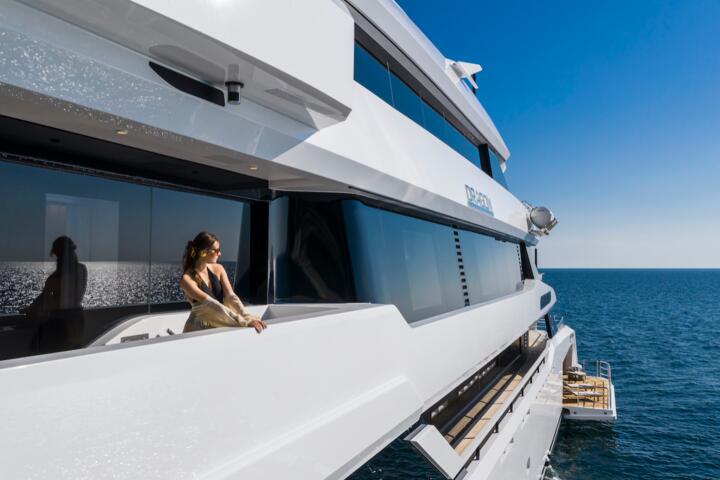
The Al Wajh Lagoon is shallow and intricate. Choosing a deep-draft vessel (over 4 meters) limits your ability to enter the most pristine turquoise "blue holes." Experts recommend expedition-style yachts or catamarans with advanced stabilization. Vessels like the 77-meter Legend or similar ice-class converted explorers are becoming popular here because they carry the tenders and submersibles necessary to explore the deep shelf of the Red Sea.
Leveraging Local Maritime Hubs
Strategize your itinerary around "Safe Havens." The Jeddah Yacht Club & Marina serves as the primary technical base, offering customs clearance and high-speed bunkering. From here, a 150-nautical mile cruise north brings you to the Red Sea Global islands. Using Jeddah as your logistical springboard ensures that any mechanical or provisioning needs are met before heading into the remote northern archipelagos.
Integrating Land and Sea Experiences
A successful charter must be hybrid. For example, spend three days island-hopping the Ummahat Islands, then dock at the St. Regis Red Sea Resort for a spa transition. This "Dock and Stay" model is the signature of Saudi luxury. By using a local agency like Haya Tour or specialized maritime concierges, you can arrange private seaplane transfers from your yacht deck directly to the ruins of AlUla, blending maritime and heritage tourism.
Optimizing for the Best Seasonal Windows
The Red Sea is a year-round destination, but for yachting, the "Sweet Spot" is October to May. During these months, the air temperature stays between 25°C and 30°C. In the summer (June-August), while the water is crystal clear, the ambient heat can exceed 40°C, putting immense strain on a yacht’s HVAC systems. Planning for the winter season allows for comfortable deck dining and extended snorkeling sessions without the risk of heat exhaustion.
Prioritizing Environmental Stewardship
Saudi Arabia’s new coast is a "no-discharge" zone. Modern charters must utilize advanced blackwater treatment systems and eco-friendly dynamic positioning (DP) to stay in place without dropping anchors on fragile reefs. Using a yacht that carries the "Green Star" notation from RINA or similar classification societies not only protects the environment but ensures you are welcomed into the most restricted conservation areas.
Red Sea Expedition Cases
Case Study 1: The Corporate Retreat A European tech firm chartered a 60-meter Benetti for a 5-day voyage starting in NEOM. The primary hurdle was the lack of shore power in developing areas. The solution involved a specialized chase boat carrying extra fuel and a technical team. By utilizing a "hub and spoke" model—using the yacht as a base and tenders for island exploration—the group visited three uninhabited islands per day.
Result: 100% schedule adherence and the first private group to dive the "Baridi" reef system under new permits.
Case Study 2: The Multi-Generational Family Trip A family of 12 required a mix of high-speed water sports and cultural tours. They utilized the Jeddah Yacht Club as a 48-hour provisioning base before heading to the Farasan Islands. By pre-arranging a "floating lounge" setup with the NEOM maritime team, they secured private beach access on an island otherwise closed to the public.
Result: Seamless transition from yacht to a private desert camp in less than 2 hours via helicopter, a feat coordinated by three different government agencies.
Operational Checklist
| Category | Requirement / Action | Lead Time |
|---|---|---|
| Permits | Apply for SRSA "Ebhar" digital maritime clearance. | 21 Days |
| Visas | Secure "e-Visa" or "Discovery" visas for all crew and guests. | 7 Days |
| Provisioning | Submit "Gourmet List" for international imports (Wagyu, Truffles). | 10 Days |
| Itinerary | Finalize "Float Plan" with coordinates for protected reef zones. | 14 Days |
| Aviation | Book heli-transfers or seaplanes for land-based excursions. | 30 Days |
Common Misconceptions
One major error is assuming that "Private" means "Invisible." In Saudi waters, Coast Guard monitoring is sophisticated. Some captains attempt to use "AIS-Off" maneuvers to maintain privacy; this is a mistake. Instead, work with a local agent who can guarantee privacy through official channels, ensuring that your location is known to authorities but shielded from public tracking services.
Another error is underestimating the wind. The "Shamal" winds can create choppy conditions in the North Red Sea. If your guests are prone to seasickness, avoid long crossings between 2:00 PM and 6:00 PM when the wind peaks. Plan your movements for the early morning (05:00 AM - 09:00 AM) when the sea is typically "mirror flat," providing the best conditions for breakfast on the aft deck.
FAQ
Is it safe to cruise the Saudi Red Sea coast currently?
Yes, it is among the most secure maritime environments globally. The Saudi Coast Guard and the SRSA maintain strict patrols. The primary "risk" is not security, but rather the strict adherence to environmental laws which can catch unprepared captains off guard.
Can we drink alcohol on a private yacht in Saudi waters?
Current regulations regarding alcohol on foreign-flagged private yachts are evolving. Generally, while on a private vessel in international or territorial waters, the ship's jurisdiction often follows its flag state, but once docked or in certain zones, local laws apply. Always consult your broker for the most recent 2026 legal updates regarding "Sindalah" and "Red Sea Global" specific zones.
What are the must-see diving spots for a 7-day charter?
The "Boiler" wreck near Jeddah and the Al Wajh Bank are essential. The latter is often called the "Galapagos of the Middle East" due to its incredible biodiversity and the presence of dugongs and hawksbill turtles.
Do I need a local pilot to navigate the reefs?
While not legally required for all private vessels, it is highly recommended. The coral formations in the Red Sea grow vertically and can appear suddenly. A local maritime guide with knowledge of "hidden" coral heads is an invaluable asset for hull safety.
How does the cost compare to the Mediterranean?
Expect to pay a 15-20% premium. This is due to the "pioneer tax"—higher costs for specialized provisioning, remote logistics, and the necessity of hiring local agents to manage the emerging bureaucratic landscape.
Professional Perspective
Having overseen maritime logistics in both the Caribbean and the Mediterranean, I find the Saudi coast to be the most rewarding yet demanding theater for yachting today. My primary advice: do not skimp on the tender. Much of the beauty here is in the "skinny water" where your 50-meter mother ship cannot go. A high-performance, 12-meter chase boat is not an accessory; it is your primary vehicle for discovery. Furthermore, the hospitality you will encounter from the local teams at Jeddah Yacht Club is world-class, but it operates on "relationship time"—patience and professional courtesy will get you much further than a demanding attitude in this region.
Summary
Exploring the Saudi Red Sea coast via private charter is a journey into the last great maritime frontier. Success depends on shifting from a "standard charter" mindset to an "expeditionary" one. By securing permits early through the Ebhar platform, choosing a vessel with a shallow draft and eco-friendly positioning, and integrating land-based luxury at hubs like Sindalah, travelers can experience a level of exclusivity that no longer exists in the West. Start your planning at least three months in advance, prioritize environmental compliance, and focus your itinerary on the Al Wajh Lagoon for the best balance of nature and luxury.