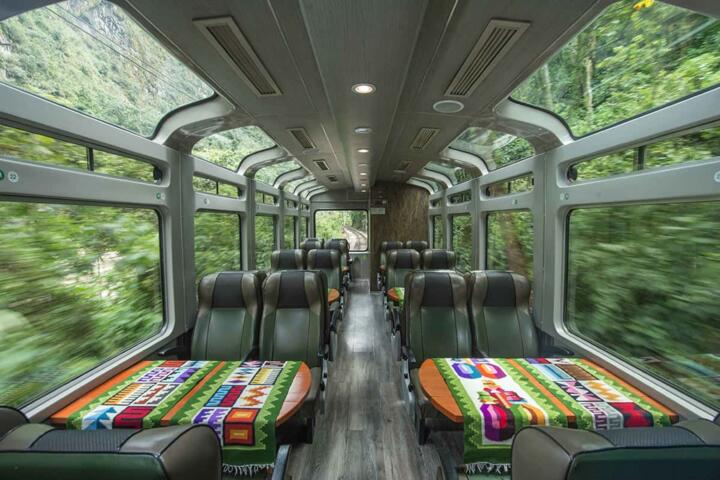
This guide explains Peru Rail service classes and how route metrics affect your trip planning. It helps travelers compare seating and onboard experience, interpret journey times and distances, and understand what changes with daylight, altitude, and route segments. You’ll learn how to read schedules, what “class” usually changes in practice, and how to choose departures for comfort and timing—without relying on marketing claims.
Cities and nature work well together across the Americas because many destinations offer quick access to parks, trails, coasts, and protected areas from dense neighborhoods. This guide helps travelers plan healthier, lower-stress trips by explaining how urban design, air quality, heat, and activity patterns affect comfort and safety. You’ll learn common planning mistakes, practical decision steps, and realistic examples for pairing city days with outdoor time.
Spring and fall often deliver the most comfortable travel conditions: milder temperatures, longer daylight, and fewer weather extremes than mid-summer or deep winter. This guide helps travelers plan around real constraints like pollen, storms, daylight hours, and seasonal pricing. You’ll learn how to choose destinations by climate patterns, what to pack, how to time activities, and how to avoid common booking mistakes that affect health and comfort.
Domestic flights across Africa can cut travel time by days when road and rail links are slow, seasonal, or disrupted. This article explains how flight schedules, airport procedures, and route choices affect real door-to-door time. It also covers common booking mistakes, what to check in tickets and baggage rules, and how to compare options using practical checklists. Readers will learn when flying truly saves time and when it does not.
Domestic flights often make sense across large Asian countries where cities are far apart and rail or road travel can take most of a day. This article explains how flight time, airport access, baggage rules, and schedule reliability affect real travel decisions. It also covers common planning mistakes, practical steps for comparing options, and realistic examples for different trip types. Readers will learn how to choose wisely, reduce delays, and avoid hidden costs.
Northern Europe often costs more than Southern Europe because of higher labor and energy costs, different price levels for food and housing, and travel patterns that concentrate demand. This guide helps travelers compare destinations with practical examples, understand what drives daily expenses, and plan budgets for transport, lodging, and activities. You’ll learn how to spot misleading price comparisons, what to check in booking details, and how to choose routes that match your spending goals.
City-to-city distance can feel misleading: maps show straight lines, while real travel follows roads, rail lines, borders, and schedules. This guide explains why journeys between cities often take longer than expected, how to estimate time using practical inputs, and what to check before booking. It helps travelers plan bus, train, and car trips with fewer surprises, using clear methods, realistic buffers, and common pitfalls to avoid.
Machu Picchu routes vary in altitude exposure, walking time, and steepness, which affects comfort and safety. This guide helps travelers choose a circuit that matches their fitness level using practical screening, realistic time estimates, and pacing strategies. You’ll learn how to compare common itinerary styles, what to watch for at high elevation, how to prepare for weather and crowds, and how to plan a safer day at the site.
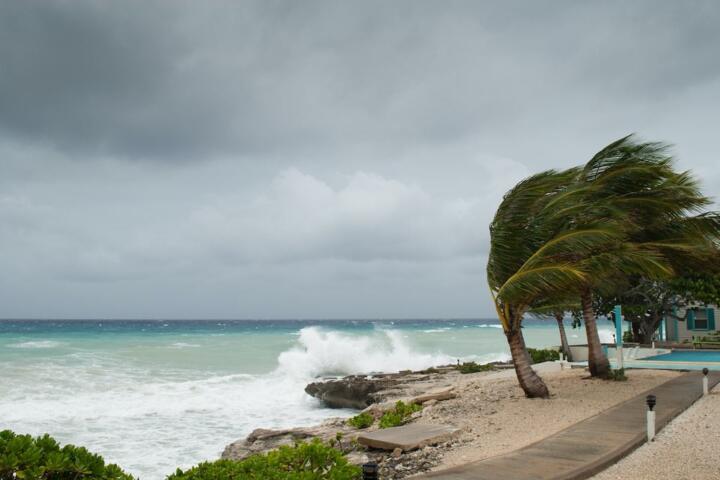
This guide helps travelers plan around hurricane season with practical, health-focused steps. It explains how weather risk affects travel decisions, what to check before booking, and how to prepare for disruptions that can impact sleep, medication access, and stress. You’ll learn how to read forecasts, choose flexible options, build a basic contingency plan, and reduce health risks during storms and evacuations.
Traveling the Middle East on a budget means managing flights, visas, local transport, and daily costs while respecting local rules on dress, alcohol, and public behavior. This guide helps informed travelers plan cheaper routes, choose cost-effective lodging, and reduce common spending traps. You’ll learn how to estimate realistic daily budgets, compare transport options, handle cash and cards, and plan around Ramadan and seasonal price swings.